RSS Feed

July 29

July 29, 1930 – The Mickey Mouse Short Film The Shindig is Released to Theaters

vlcsnap-2013-07-29-04h31m52s119

“To the party we will go, to the party we will go…”

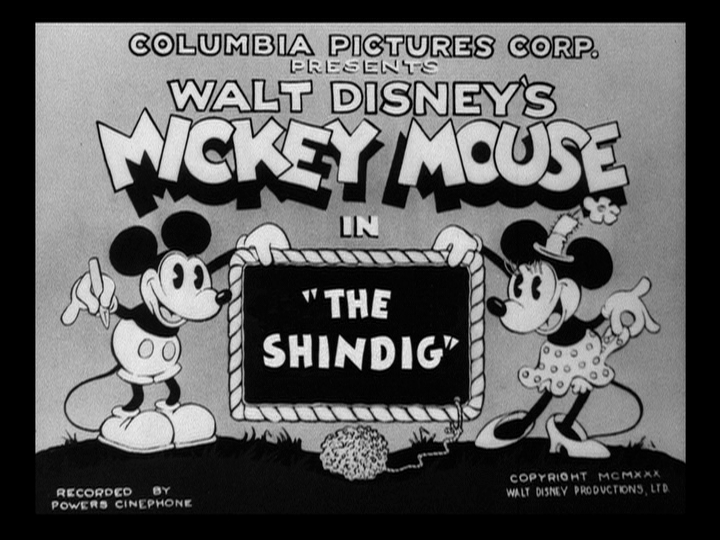
On July 29, 1930, the Mickey Mouse short film The Shindig was released to theaters. A clip from this short was used in the documentary The Hand Behind The Mouse: The Ub Iwerks Story as an example of the decency codes the films soon had to follow, known as the Hays Code. The songs featured in this short were popular standards of the time, including “Swanee River” and “Pop Goes the Weasel.” The short was directed by Burt Gillett.

A large group of animals are heading over to the barn dance, singing and playing with noisemakers. Horace Horsecollar makes his way to Clarabelle Cow’s house on a dilapidated motorcycle, and she quickly gets dressed to meet him. The two head for an uncomfortable ride to the barn dance. At the dance, everyone is lively while Mickey and Minnie entertain the crowd with music. Mickey uses whatever he can to play music, including a paper bag and, much to her annoyance, Minnie’s tail and bloomers. The crowd forms a dance circle, with Horace and Clarabelle dancing in the middle. Minnie then continues playing the piano while Mickey first dances with Clarabelle, then a dachshund, then a hippo.

July 28

July 28, 1998 – The First Disney Cruise Land Ship, the Disney Magic, is Christened

“The Disney Magic…is a cruise liner that blends classic beauty and grace with all the modern luxuries, technologies, and comforts that make cruising a pleasure.”

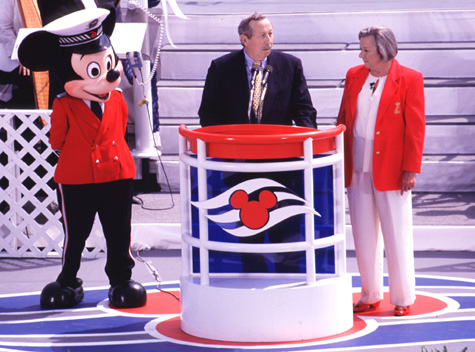
On July 28, 1998, the first ship in the Disney Cruise Line fleet, known as the Disney Magic, was christened. The christening with a bottle of champagne was done by Roy E. Disney’s wife Patty, who is known as the ship’s Godmother; also in attendance were actor Sidney Poitier, voice actress Jodi Benson, and then-CEO Michael Eisner. Its maiden voyage would take place two days later as it headed to the Caribbean from Port Canaveral, Florida. The ship was built by the Italian shipbuilder Fincantieri, with a cost of $400 million to build. The ship holds around 2,700 passengers in 875 cabins, and weighs 83,000 tons. The idea behind the Disney Magic was to bring back the days of the “golden age” of ocean travel with luxury liners, with an interior built in an Art Deco design. The statue in the lobby of the ship is of Mickey Mouse as a helmsman.

July 27

July 27, 1945 – The Pluto Short Film Canine Casanova is Released to Theaters

vlcsnap-2013-07-27-10h59m17s198

“Hey you…!”

On July 27, 1945, the Pluto short film Canine Casanova was released to theaters. It was directed by Charles Nichols, with story by Harry Reeves, Jesse Marsh, and Rex Cox.

Pluto is skipping through the park, when he passes by a beautiful dachshund. Immediately smitten, he turns around and follows her, making a fool of himself as he does so. She rebuffs his attention every time, leaving him more determined than ever. He finds a large bone buried in the ground, and uses it to steal a kiss from her, which only makes her angry. She stops to admire her reflection in a window, and finds Pluto has followed her once again, nearly getting the two in trouble when he breaks the window. Pluto slinks away sadly as she tells him off, and as she walks away, she is snatched up by the dog catcher. She calls out for Pluto’s help as she is driven away.

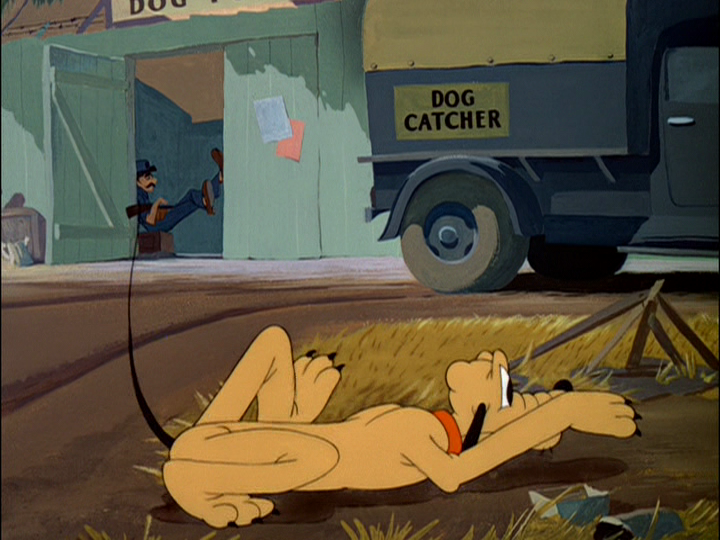
Pluto sneaks into the dog pound to rescue the cute dachshund

Pluto sneaks into the dog pound to rescue the cute dachshund

Pluto tracks her scent to the dog pound, and quietly peers in, seeing the poor dachshund being courted by scoundrels. He rushes to her rescue, narrowly missing the sleeping guard and his shotgun. He crawls around the back to open her pen, and she is surprised to see Pluto as her rescuer. As the two look for a way out, they realize the only opening is past the sleeping guard and his shotgun. Pluto quickly formulates a plan, and the two almost make it out, except that the guard’s foot drops right as the dachshund is about to crawl underneath his legs. Pluto manages to keep his leg propped up long enough for her to escape, but accidentally hits the butt of the shotgun, slamming it to the ground and setting it off. The two race away as the guard quickly pursues them in his truck. Pluto accidentally sends three barrels of nails flying down the path, which stops the truck in its tracks. The dachshund returns home, giving Pluto a kiss before she does. Pluto follows her, only to find that she has a litter of puppies waiting for her return.

July 26

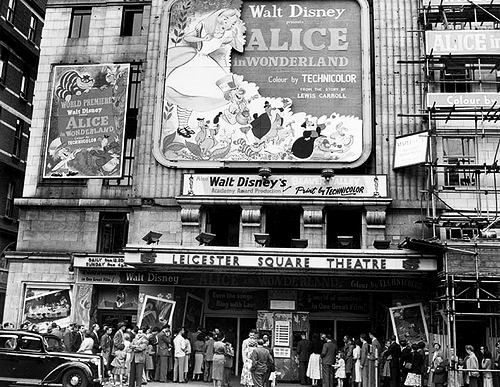
July 26, 1951 – Alice in Wonderland Premieres at London’s Leicester Square Theater

tumblr_m4uyqiKngS1qg35tio1_500

“I give myself very good advice, but I very seldom follow it.”

On July 26, 1951, the world premiere of Walt Disney’s 13th animated feature film Alice in Wonderland took place in London’s Leicester Square Theater. Walt Disney attended the premiere, as did Kathryn Beaumont, the voice of Alice. The film was also due to premiere the same day in New York City, but the date was delayed two days, as it coincided with the release of another adaptation of Lewis Carroll’s work: a feature-length puppet version by French filmmaker Lou Bunin (this film would fail at the box office). Unfortunately, the film was criticized for “Americanizing” a British classic, and was a disappointment on its release, earning only $2.4 million at the box office. Walt Disney would later say that the film failed because the character of Alice had no “heart.” It would find its audience in the 1970s, and became a success on home video.

July 25

July 25, 1936 – The Mickey Mouse Short Film Alpine Climbers is Released to Theaters
vlcsnap-2013-07-25-05h12m31s106

“Edelweiss! Oh boy, oh boy, oh boy, edelweiss!”

On July 25, 1936, the Mickey Mouse short film Alpine Climbers was released to theaters. Although a Mickey Mouse short, the short also features Donald Duck and Pluto. It was directed by Dave Hand.

Mickey and Donald are yodeling as they climb up a steep mountain, dragging Pluto behind them on a rope. After they reach the top, Mickey ties Pluto to a rock as he and Donald go exploring. Donald finds patches of edelweiss, and begins to pick a full bouquet. When he reaches the top of the cliff, a baby goat takes one look at Donald and eats the edelweiss bloom the duck is holding. Donald grabs an icicle and starts to chase after the kid around a rock, not realizing that the kid is sitting on the top of the rock, watching Donald run around in circles.
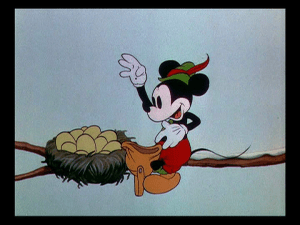
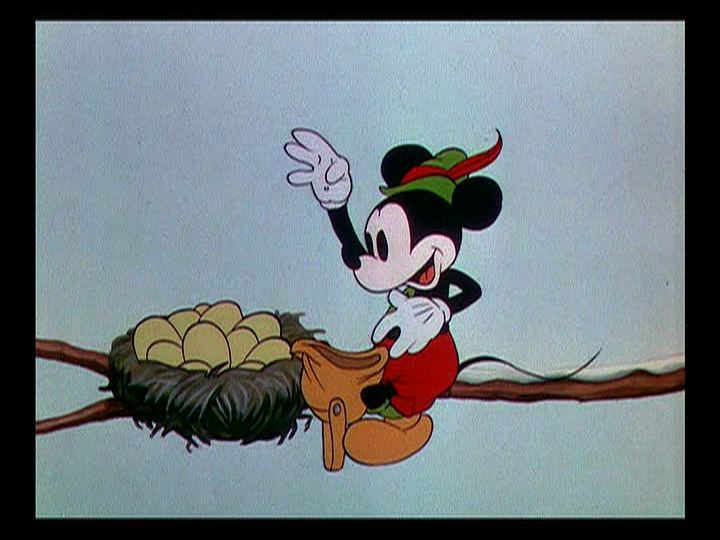
While exploring, Mickey excitedly finds a nest of eagle eggs

While exploring, Mickey excitedly finds a nest of eagle eggs

Mickey, in his own exploration, finds a nest full of eagle eggs, and starts stuffing them into his backpack, unaware that the mother eagle is standing behind him, ready to protect her eggs. Mickey sees her, and quickly puts the eggs back, although the mother still attacks him. He throws her eggs at her, and they hatch upon impact. The flock of hatchlings then assist their mother in attacking the mouse. Mickey drops an egg in the confusion, which lands on Pluto’s head and hatches. The hatchling attacks Pluto, and Pluto chases after it, dragging the heavy rock behind him. As the hatchling flies away, Pluto hangs onto the cliff for dear life, only to have the rock send him hurtling to the snowy ground below.

As Pluto lies in the snow, a St. Bernard comes out of his doghouse and drags the dog to safety, reviving him with some brandy. Unfortunately, Pluto becomes drunk from the amount of brandy he drank, and attempts to hit on the St. Bernard, hiccuping loudly. Meanwhile, after carving out a deep ditch around the rock, Donald realizes that the kid has just been watching him the entire time. The chase resumes, leading into a cave, with Donald accidentally pulling out an older goat instead. Donald tries to walk away nonchalantly, but is soon chased by the older goat, who continuously headbutts the duck, although Donald headbutts the older goat in retaliation, sending it flying into a nearby tree, knocked out. Mickey, having problems of his own, cries out for help. He tries to use his rope to latch on to a nearby rock, but ends up roping the eagle mother’s feet, and she flies away, trying to pull Mickey away from the nest. Donald, hyped up with adrenaline from fighting the goat, goes to save Mickey by attempting to beat up the mother. The mother bests Donald, and the two have no choice but to hold on for dear life as she soars up into the sky. The hatchlings then tear up the rope, and the pair are sent hurtling to the ground. As they hit the snow below, they hear a strange drunken yodeling, and see Pluto and the St. Bernard, having consumed all the brandy, hiccuping and carousing.
July 24

July 24, 1966 – New Orleans Square is Dedicated at Disneyland

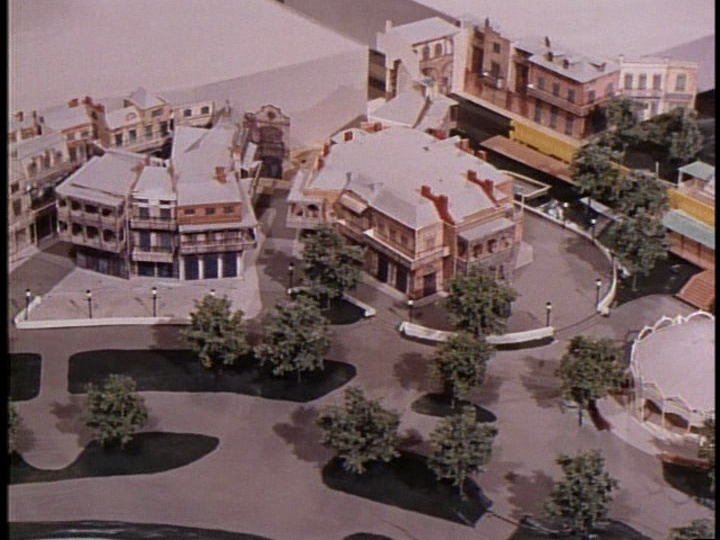
vlcsnap-2013-07-24-05h25m58s244

“[New Orleans Square] is quite a project, it’s the way I’ve always wanted to see Disneyland built when you see all the buildings…it’s really a joy to see it done in the way we’ve done New Orleans Square.” – Walt Disney

On July 24, 1966, the new New Orleans Square land of Disneyland was dedicated at a special ceremony featuring Walt Disney and the mayor of New Orleans, Victor Schiro. An admirer of the unique look of New Orleans, Disney had believed that this style would add an ideal touch to the area alongside the banks of the Rivers of America. This area houses two of Disneyland’s most popular attractions: Pirates of the Caribbean, and the Haunted Mansion. As there is not a lot of space available in this area, Imagineers had to be very creative in their placement of the attractions and the various restaurants and shops. Walt had wanted to build an apartment there, but Roy Disney changed these plans after Walt passed away, and the area would later become the Disney Gallery. This dedication was also Walt’s last major public appearance at the park.

July 23

July 23, 1956 – The Junior Autopia Attraction Opens in Disneyland’s Fantasyland

JuniorAutopia_Slide

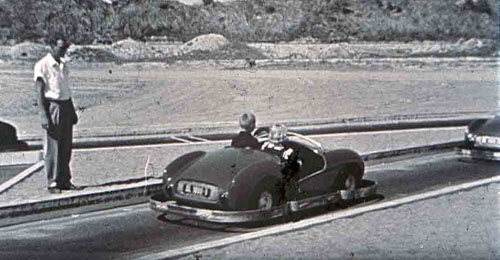
“The design of the Junior Autopia sport cars is not likely to be out of style soon.”

On July 23, 1956, the attraction Junior Autopia opened in Disneyland’s Fantasyland. An adaptation of the Autopia attraction which opened in 1955, a block of wood was added to the gas pedal to allow younger guests to drive. A center guard rail was also added to this attraction. Junior Autopia closed in December of 1958, and reopened in 1959 as a part of the expanded Fantasyland Autopia.

July 22

July 22, 1949 – Film Composer, Songwriter, and Disney Legend Alan Menken is Born

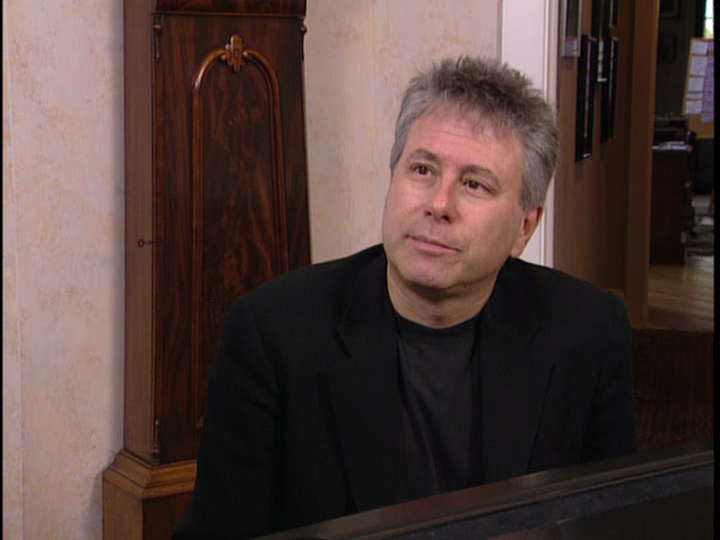
vlcsnap-2013-07-22-05h20m18s225

“He’s a very clever man, that Alan Menken. He’s like Mr. Melody. Whenever he would send in a song on Beauty and the Beast or Hunchback [of Notre Dame] or some of the Aladdin songs, you can’t get them out of your mind. There’s no antidote for them except another Alan Menken song, cause they’re so getable and singable.” – Don Hahn, Producer

On July 22, 1949, composer and songwriter Alan Irwin Menken was born in New Rochelle, New York. His parents would play records of Broadway musicals and musical theater standards in his youth, and Menken displayed musical talents at an early age, studying the piano and violin. Coming from a family of dentists, Menken went to NYU as a pre-med student. He then changed his focus to music, and began to work in clubs and write jingles, and wrote a rock ballet right after college for the Downtown Ballet Company, where he met his wife Janis. His first musical success was an adaptation of Kurt Vonnegut’s God Bless You, Mr. Rosewater with Howard Ashman, who would become his close songwriting partner. The two would hit it big with the 1982 Off-Broadway hit Little Shop of Horrors.

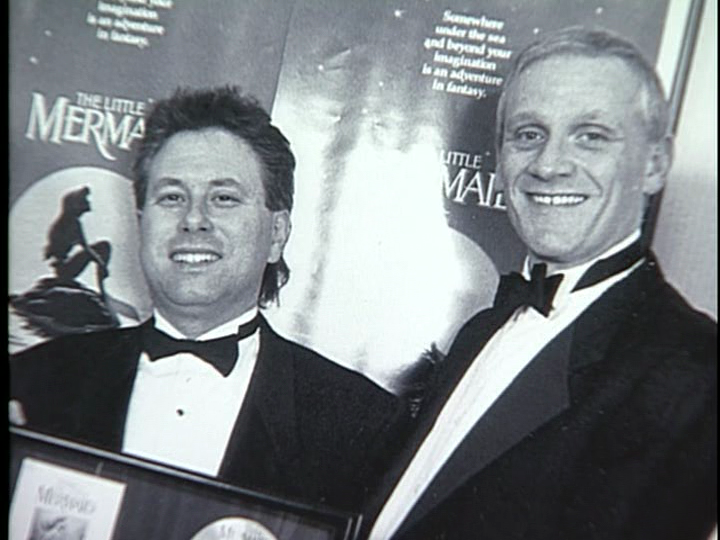
Menken (L) and songwriting partner Howard Ashman

Menken (L) and songwriting partner Howard Ashman during the accolade season for The Little Mermaid

Ashman was approached by Disney to help create the music for a new animated feature, The Little Mermaid. As Menken has said in interviews, it was his and Ashman’s job to reinvent the Disney animated feature, bringing a real sense of current musical theater trends to these Disney musical films. The Little Mermaid became the biggest hit for the studio in decades, and ushered in a whole new era for Disney, known as the Disney Renaissance. The duo was honored with two Academy Awards between them for The Little Mermaid: Best Song (“Under the Sea”) and Best Original Score. Menken and Ashman were then asked to compose for Beauty and the Beast and Aladdin. Unfortunately, around this time, Ashman was diagnosed with HIV, and passed away before Beauty and the Beast was released in theaters. Menken continued to be hired by the studios, working with songwriter Tim Rice to complete work for Aladdin, which also won two Academy Awards for Best Song (“A Whole New World”) and Best Original Score.

For the film Pocahontas, Menken teamed up with lyricist Stephen Schwartz, once again winning two Academy Awards for its music. Menken continued to work with Disney on films Hercules, Home on the Range, Newsies, Enchanted, The Shaggy Dog, and Tangled. He has also moved back to Broadway, helping bring to the stage some of these Disney hits, including Beauty and the Beast and The Little Mermaid; he has also contributed to the stage shows featured at the Disney parks. Over the course of his career, Menken has won eight Academy Awards, holding the record for most wins for any living person. In 2001, Menken was named a Disney Legend.

July 21

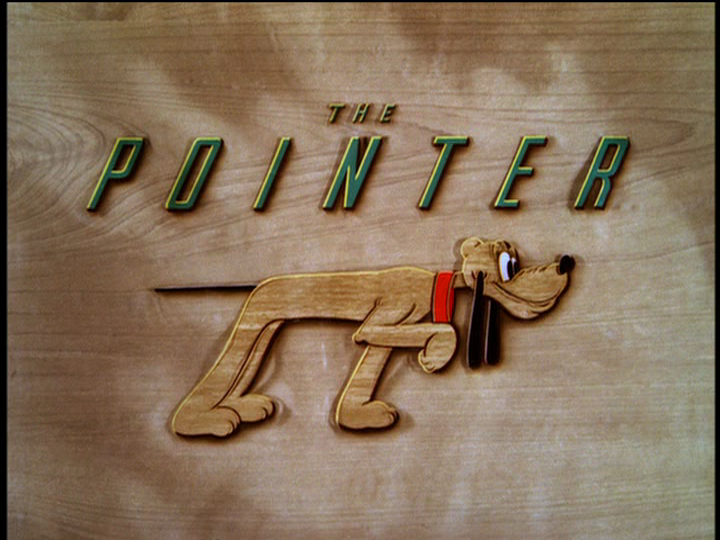
July 21, 1939 – The Mickey Mouse Short Film The Pointer is Released to Theaters

vlcsnap-2013-07-21-16h54m39s246

“Well, I’m, uh, Mickey Mouse. You know, Mickey Mouse? I hope you’ve heard of me. I hope.”

On July 21, 1939, the Mickey Mouse short film The Pointer was released to theaters. This short was the first display of Mickey’s redesign by artist Fred Moore, with his eyes changing from the previous “pie-shape” to a white eye with a black pupil. The short was also nominated for an Academy Award, but lost out to Disney’s final Silly Symphony, The Ugly Duckling. The short was directed by Clyde Geronimi.

Mickey is reading out loud from a book called “How to Train a Pointer,” in an attempt to teach Pluto to become a better hunting dog. Pluto salivates at the thought of better things to eat than beans, and the two set off to hunt. The two hear a cry in the woods, and look to see a family of quail. Pluto runs to chase them, tripping up Mickey and making him drop his shotgun. Mickey chastises Pluto, making Pluto cringe and paw at the dirt in shame. After attempting to slink away into the woods, Pluto crawls back and lays on his back, and Mickey realizes he can’t stay mad at his dog. Mickey then teaches Pluto how to act like a pointer, and Pluto copies him exactly, earning Mickey’s praise.

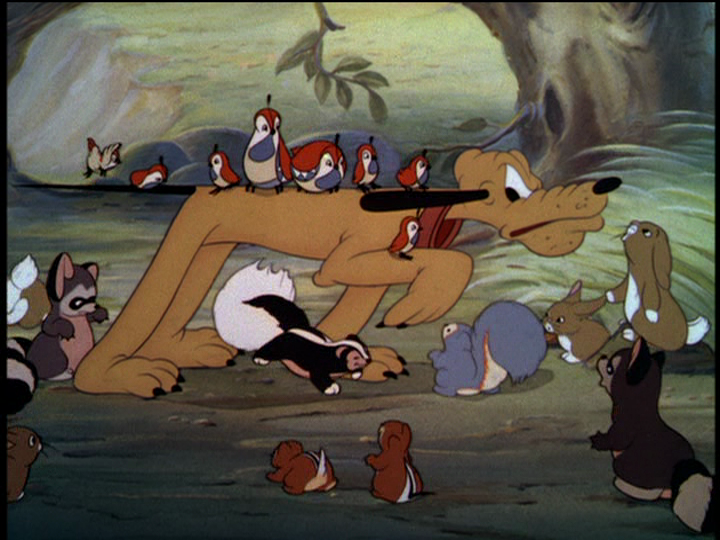
Pluto, keeping still to make Mickey happy, is surrounded by curious animals

Pluto, keeping still to make Mickey happy, is surrounded by curious animals

The two hear the quail cry again, and as Mickey tries to track it, Pluto gets distracted by a caterpillar and heads the opposite direction. Mickey accidentally wakes up a bear on his way to catch the quail, and, thinking it’s Pluto, slaps the bear to keep it quiet and continues to talk to it. Pluto, following the caterpillar, has gotten himself lost, but finds the family of quail. The quail chicks spot Pluto and start to play with him, but Pluto, remembering what Mickey told him, refuses to move, no matter what they do. Mickey continues to search through the woods with the bear tracking him, and he finally spies the quail – along with a host of other animals – standing around Pluto. Mickey turns to see that a bear has been following him, and nervously tries to weasel out of the situation. After crashing into Pluto, the two hightail it back to their campsite. Later that night, Pluto puts his pointing skills to good use by tracking down their last can of beans.

July 20

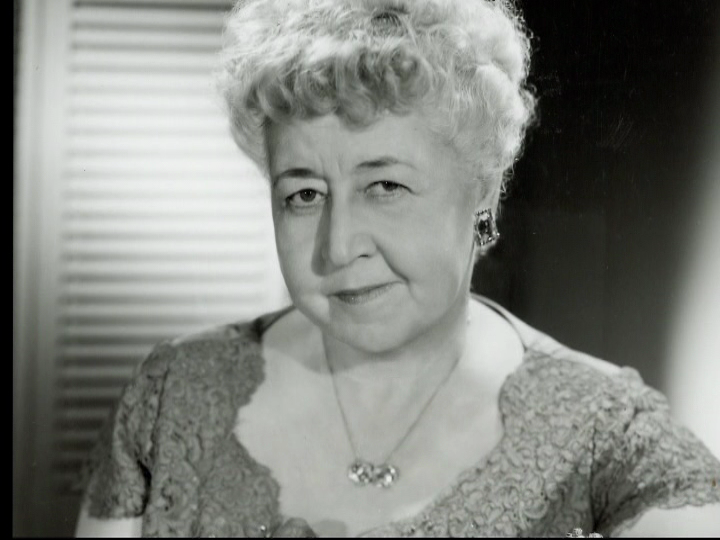
July 20, 1890 – Character Actress Verna Felton is Born

vlcsnap-2013-07-20-14h04m41s221

“Walt found her voice wonderful, and he used her again and again.” – John Culhane, Author and Film Historian

On July 20, 1890, Verna Felton was born in Salinas, California. She began her career in radio, working on Red Skelton’s radio series and The Jack Benny Program. In 1941, Felton was hired as a voice actress for the Disney animated feature film Dumbo as Mrs. Jumbo (Dumbo’s mother) and the Elephant Matriarch. She would continue to be hired by the studio in a variety of roles, including the Fairy Godmother in Cinderella, the Queen of Hearts in Alice in Wonderland, Aunt Sarah in Lady and the Tramp, Flora in Sleeping Beauty, and Winifred the Elephant in The Jungle Book. The Jungle Book would be her last role, as she would pass away from a stroke on December 14, 1966, the day before Walt Disney passed away.