RSS Feed

Tag Archives: 1930s

January 16

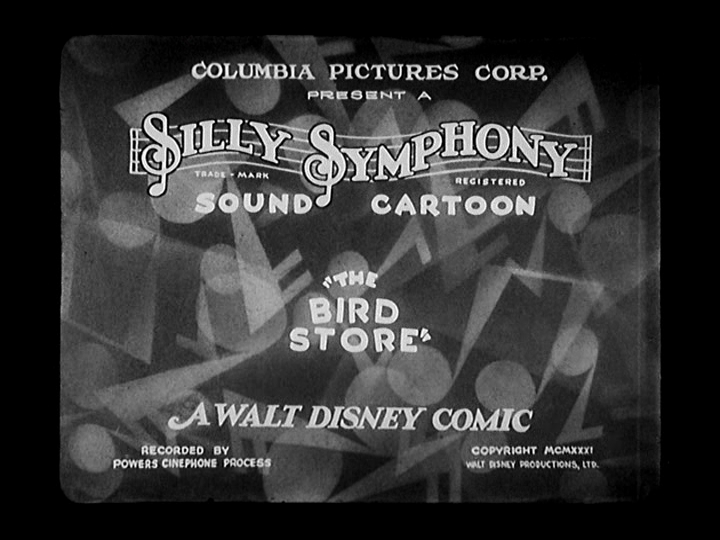
January 16, 1932 – The Silly Symphony The Bird Store is Released to Theaters

vlcsnap-2015-01-16-19h17m08s173

On January 16, 1932, the Silly Symphony The Bird Store was released to theaters. It was directed by Wilfred Jackson. Caricatures of the Marx Brothers are also found in this short film

The short begins with the birds in the store all chirping at once, but slowly turning into a beautiful melody by two canaries. Other birds are seen singing in their own ways, including two sets of doves that find their mates flirting with others. A parrot chases a flea to a typewriter, and flicks it away, but scares itself in the process and runs into the phone. Outside the window of the shop, a hungry cat licks its lips, watching as a baby canary is taught how to sign by its parents. While celebrating, the baby falls out into a bag of seed, and does not see the cat enter the shop and attack. All the birds in the shop notice the attack, and in an attempt to save the baby, they all spring into action, using a blowtorch to trap the cat in a cage. They then send his cage flying so he lands in the city dog pound after reuniting the baby with its parents.

December 30

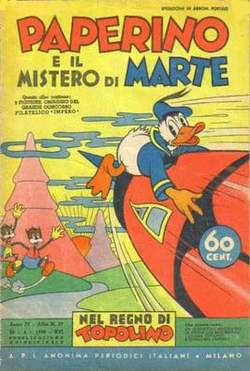
December 30, 1937 – The Donald Duck Comic Serial Paolino Paperino e il mistero di Marte Begins

Marte

“Chi entra qui accumula tanta energia da diventare invincibile!”

On December 30, 1937, the Donald Duck serial comic Paolino Paperino e il mistero di Marte (translated as Donald Duck and the Mystery of Mars) began publication. The comic was written and illustrated by Federico Pedrocchi, and was the first piece to feature Donald as an adventurer, rather than just a comedic hothead; in this instance, Donald is tricked into entering a spaceship heading for Mars, and is kidnapped by Martians, among other mishaps. This comic was the first eighteen volumes in a series of Donald comics known as Paperino e alter avventure. This is also the first printed instance of Donald’s Italian name, Paolino Paperino.

December 27

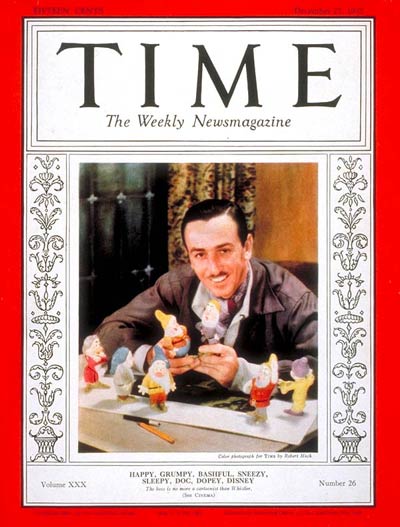
December 27, 1937 – Walt Disney Appears on the Cover of Time Magazine

WaltDisneyTime

“We’re businessmen. Walt Disney’s an artist. With us, the idea with shorts is to hit ‘em and run. With us, Disney is more of a Rembrandt.” – Leon Schlesinger

On December 27, 1937, Walt Disney made his first appearance on the cover of Time Magazine. This would be one of two covers featuring Walt, with the second being on December 27, 1954, exactly seventeen years later. Printed nearly a week after the release of the first full-length animated feature Snow White and the Seven Dwarfs, the article talks about the history of the Disney studios leading up to the film’s release, as well as the process of creating a full-length animated feature.

December 19

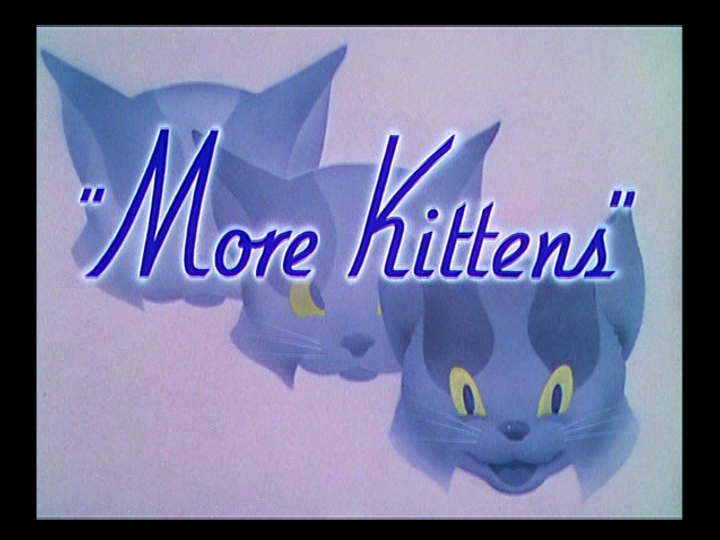
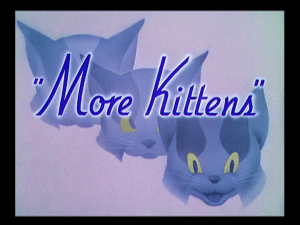
December 19, 1936 – The Silly Symphony More Kittens is Released to Theaters
vlcsnap-2014-12-19-16h37m01s239

On December 19, 1936, the Silly Symphony More Kittens was released to theaters. It was a sequel to the Academy Award winning Silly Symphony Three Orphan Kittens. Both shorts were directed by Dave Hand. The popular song “Who’s Afraid of the Big Bad Wolf” makes a cameo appearance in this short.

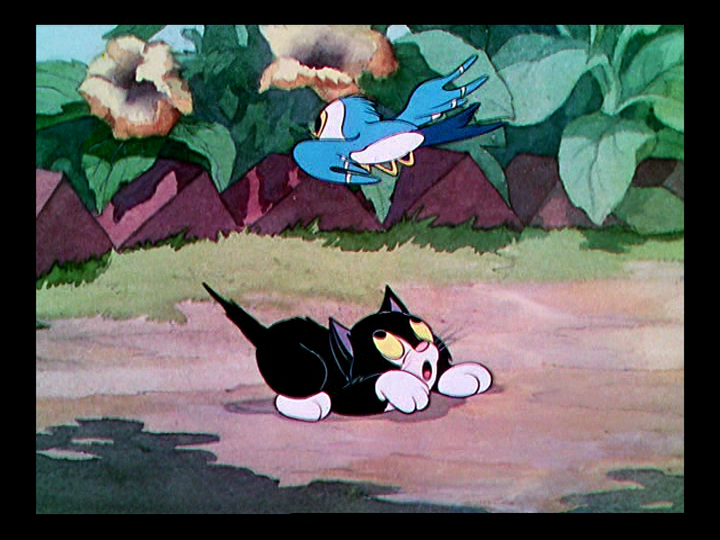
The three orphan kittens are thrown out of a house, and hide in a nearby bloodhound’s doghouse. The bloodhound notices that one of the kittens has fallen into its bowl of milk, and rescues it before drinking the contents. As the kittens brush up against the bloodhound’s face affectionately, their tails tickle its nose and it sneezes, sending two of the kittens flying into the yard. The kittens look around, confused, as they realize they’ve landed on something moving, and look down to find themselves riding on the back of a turtle. The turtle itself is surprised and falls down the stairs, with the turtle and kittens tumbling about. The third kitten has been resting on the bloodhound’s back, when it chases a fly on the bloodhound’s nose. The bloodhound is bugged by the fly and tries to swat it, finally getting it with its ears. The kitten stalks the fly after it lands, and ends up falling on the turtle. The kitten and the turtle fight before the turtle turns tail and walks away.
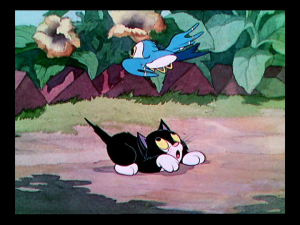
The bird mocks the kitten for not only missing the turtle, but being unable to attack him as well

The bird mocks the kitten for not only missing the turtle, but being unable to catch him as well

A bird mocks the kitten for losing to the turtle, and it turns its attention on the bird, pouncing and trying to attack it. The bird and the kitten end up within the bloodhound’s mouth, fighting, although the kitten gets pushed out, and the bird whistles triumphantly. The bird finally leaves the bloodhound’s mouth, and all three kittens chase after it, with two ending up in the laundry basket, and one on the clothesline. In the end, the kittens gets swept away when they knock over the washing bucket, and end up at the front door of the house, alerting the maid. Furious, she chases after the kittens, and they three ends up at the bloodhound’s once again, where it hides the kittens from the angry maid. The short ends with the bloodhound adopting the kittens, and they give it grateful kisses.
December 9

December 9, 1938 – The Silly Symphony Merbabies is Released to Theaters

vlcsnap-2014-12-09-18h30m40s180

On December 9, 1938, the Silly Symphony Merbabies was released to theaters. It is the only Silly Symphony to be outsourced for its production; although released as a Disney film, it was actually animated by former colleagues of Walt’s who had branched off to form their own studio, Harman-Ising Studios. After Harman-Ising ran into some problems with MGM cutting their contract, Walt, realizing that the workload for his own studio was too much for his animators to handle, asked Harman-Ising to help develop this Silly Symphony, which is considered a sequel to Water Babies, released in 1935. The short was directed by Rudolf Ising, with supervision by Ben Sharpsteen, Dave Hand, Otto Englander, and Walt Disney.

It’s a beautiful day at the ocean, and the merbabies emerge from the bubbles in the foam to play in the waves. They play about the rocks and seaweed, splashing around before diving underwater for the parade under the sea. They cheer and dance about as the parade passes through, with several octopi and other creatures travel by. Starfish and clownfish dance around, and an organ drives by playing a merry tune, leading into a circus tent. Several acts take place, including snails balancing pearls like trained seals, with one baby snail upset that they aren’t given an opportunity to perform. Near the end, several merbabies head out to do a synchronized swimming routine amongst the bubbles. Unfortunately, the celebrations ends when the baby snail accidentally causes a giant whale to sneeze, sending everyone flying back to the surface, where the bubbles pop, and the merbabies become one with the ocean again.

November 19

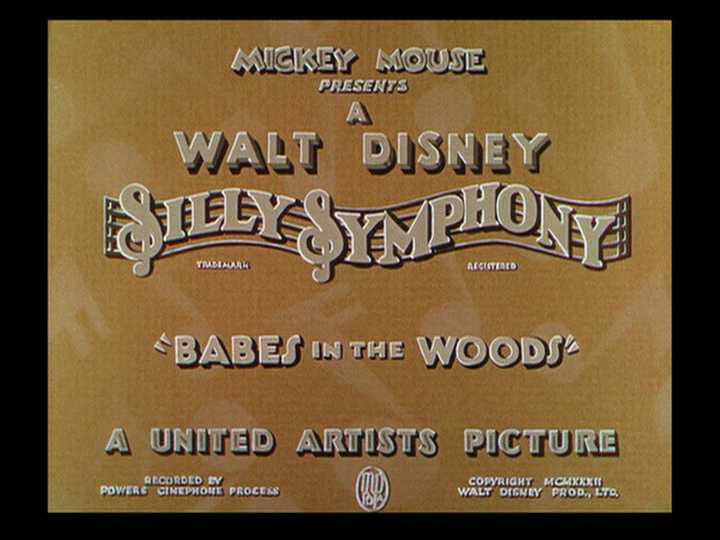
November 19, 1932 – The Silly Symphony Babes in the Woods is Released to Theaters

vlcsnap-2014-11-19-17h33m20s209

“Once upon a time a story was told about fairies and goblins and witches who are bold…”

On November 19, 1932, the Silly Symphony Babes in the Woods was released to theaters. It was based on the fairy tale Hansel and Gretel. The short was directed by Burt Gillett.

The short begins with two children wander into the woods on a summer’s day, and are terrified by the strange sights they see. As they hurry along, they hear a strange noise, and look through the trees to find where the elves live. The children are welcomes with open arms, and the elves begin to play a merry song and dance around the children. Just as the celebration begins, the shadow of the Witch circles overhead, and the elves try to hide the children in their home. However, the witch offers the children a ride on her broom, and they accept without knowing the danger. They head to her candy house and start eating as much as they can, but once she gets them inside, she traps them in with the other children she had turned into lizards and bats. The two get caught in a spider web, and she turns the boy into a spider before she chains him up. She prepares to change the girl into rat when an arrow knocks the bottle of potion out of her hand. As the witch goes to see who fired the arrow, she traps the girl in a compartment under the floor. The elves trick the witch into leaving the house, and the boy saves the girl from the compartment, knocking over a bottle and turning back into a boy in the process. While the witch is occupied, the children go around turning all the other creatures back into children, and they all flee the house, pulling out her cauldron with them. The witch is pulled from her broom and lands in her cauldron, which was filled with a potion to turn things to stone. In the end, this story explains the origins of the mysterious Old Witch Rock in the woods.

November 17

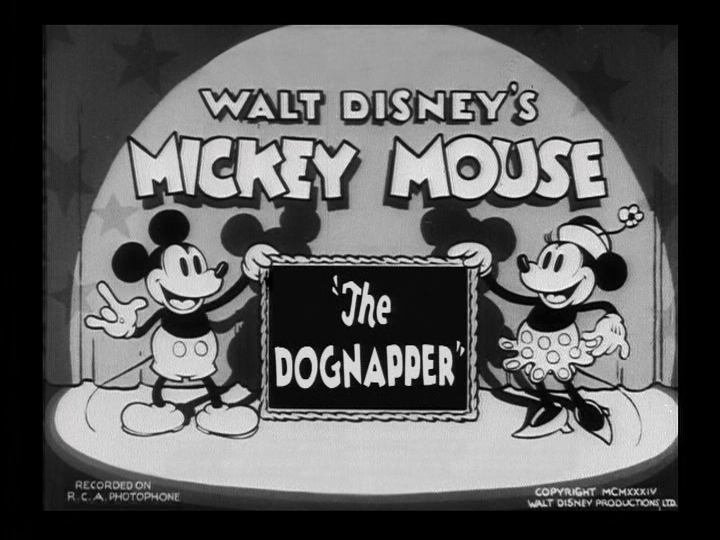
November 17, 1934 – The Mickey Mouse Short Film The Dognapper is Released to Theaters

vlcsnap-2014-11-17-18h12m43s207

“Careful boys, he’s got blood in his eyes and shoots to kill!”

On November 17, 1934, the Mickey Mouse short film The Dognapper was released to theaters. It was directed by Dave Hand.

The short opens with a newspaper declaring that Minnie’s prize pooch Fifi has been stolen by Peg Leg Pete. An announcement goes out to Officers Mickey and Donald, and while Donald is scared of the description of Pete, they soon decide to pursue him when they see him racing down the road. However, their motorcycle is less than ideal, and poor Donald almost gets left behind. There’s a shootout on the road as they follow Pete. Pete destroys the bridge, but the boys are able to drive on the rails and keep up the chase. Pete headst o his hideout at the Glutz Sawmill, and while Mickey and Donald are able to find their way in, Pete has already chained up Fifi and has his machine gun at the ready. Mickey quickly finds him, but is knocked into a barrel by Donald. Donald orders him to put his hands up, but Pete pulls out a bigger gun on Donald, and sends Donald flying into the wall. Mickey, with the help of Fifi, manages to capture Pete, but Donald once again stops Mickey from capturing the villain. However, the two are finally able to thwart him using the tools available in the sawmill, until Pete starts the saw, nearly chopping the pair in two. The saw breaks and is sent flying after Pete at a wild speed, and he runs wildly around the mill, but is sent flying when the saw attaches to his foot. Donald and Mickey use a girdle to capture Pete and return home with Fifi as heroes.

October 31

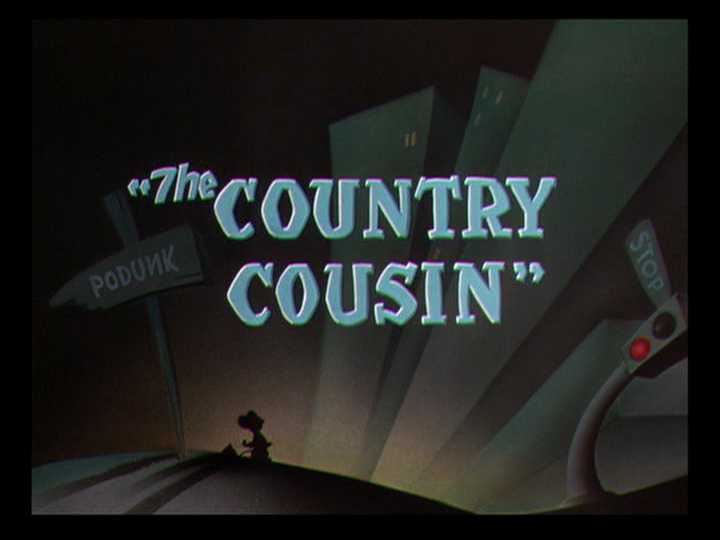
October 31, 1936 – The Silly Symphony The Country Cousin is Released to Theaters

vlcsnap-2014-10-31-18h56m14s139

“Come to the city and live in splendor with me.”

October 31, 1936, the Silly Symphony The Country Cousin was released to theaters. It would go on to win an Academy Award for Best Animated Short Film at the 9th Academy Awards. The short was directed by Wilfred Jackson.

The short begins with Abner Countrymouse receiving an invitation from his cousin Monty Citymouse, asking him to live in the city. Abner, taking Monty up on his offer, walks the railroad tracks and arrives at Monty’s place, with Monty quickly – but quietly – showing him around. Right away, Abner nearly gets caught in a mousetrap, but Monty saves him before showing him a spread of the finest foods laid out. Abner enthusiastically eats away, but Monty has to continue shushing the poor country bumpkin. After eating a spoonful of hot mustard, Abner rushes around and drinks some champagne to cool down his mouth, getting painfully drunk in the process and hiccupping. He tries to pull himself together, much to the annoyance of Monty, but ends up losing his umbrella in some toast points and knocking the entire stack down. Abner then ends up in a drunken fight with his reflection in a gelatin mold; although he decides to walk away from the fight, he slips on some butter on a plate and spins wildly around, breaking pieces of china as he spins out of control and taking his cousin with him. The two luckily do not garner the attention of the house cat, who is sleeping soundly, until Abner, with his drunken bravado, decides to kick the cat. Monty flees the scene, while Abner runs outside and ends up on the dangerous streets. After dodging feet and cars, Abner decides city life isn’t worth it for him, and he runs back to his country home.

October 30

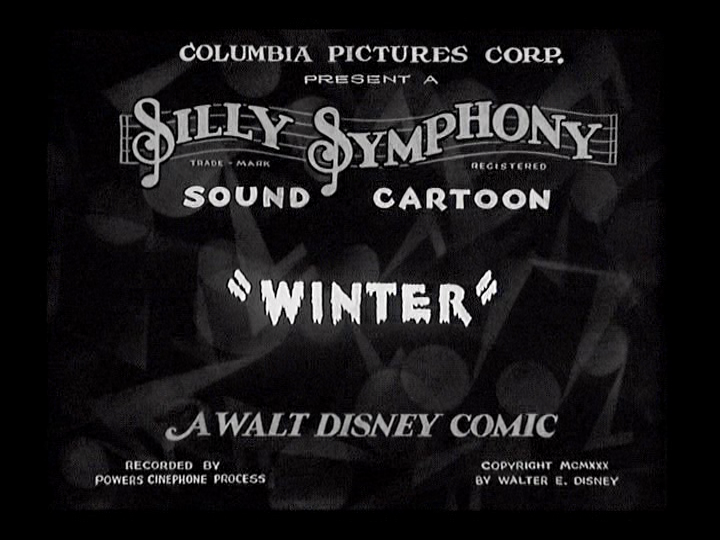
October 30, 1930 – The Silly Symphony Winter is Released to Theaters

vlcsnap-2014-10-30-20h50m53s70

On October 30, 1930, the Silly Symphony Winter was released to theaters. It was the last of a series of shorts dedicated to the seasons. It was directed by Burt Gillett.

It’s a blustery winter’s night, and a wolf howls into the wind. Three bears are sleeping under a giant rock formation, and the trees dance while the snow falls around them. A quartet of birds sing as they are perched on a reindeer’s antlers, and fly away as the reindeer gets up to go ice skating. Several other woodland creatures appear to dance in the snow, and one cub starts playing pranks on a sleeping bear. Unfortunately, the bear wakes up, but then starts to dance himself. A moose joins in the fun, braying loudly before joining a group of animals that are waiting for the Weather Prophet, Mr. Groundhog, to emerge from his house. He finally steps outside, covering his eyes, and looks around, unable to see his shadow. The animals dance at this news, when the sun suddenly shines, and the groundhog is spooked by his shadow. The shadow disappears once the sun is hidden by the clouds again, and another large storm brews, sending all the animals back to their homes as fast as can be.

October 23

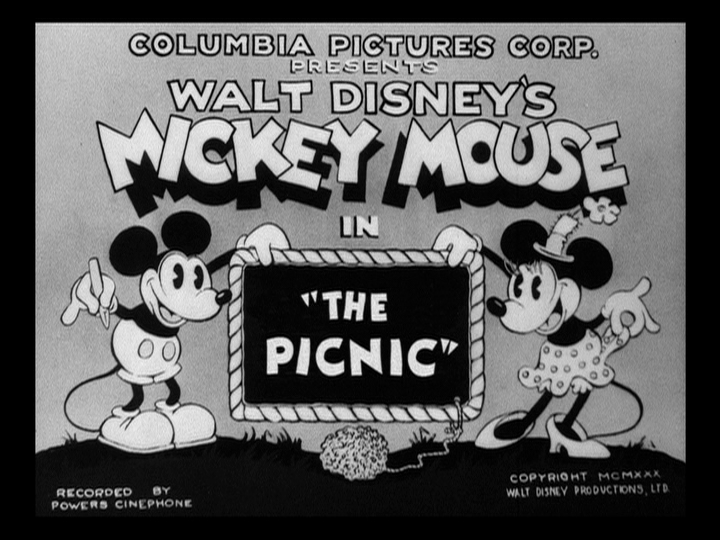
October 23, 1930 – The Mickey Mouse Short Film The Picnic Premieres in Theaters

vlcsnap-2014-10-23-18h33m42s30

“Sure, you can bring your Little Rover.”

On October 23, 1930, the Mickey Mouse short film The Picnic premiered in theaters. It features a dog that looks like Pluto, playing the part of Little Rover; Pluto would not become Pluto until the 1931 short film The Moose Hunt. The Picnic was directed by Burt Gillett.

Mickey is driving to Minnie’s whistling “Minnie’s Yoo Hoo” as he goes. Minnie calls out to him when he arrives, and calls out for her dog “Little Rover,” who is a rather large dog and jumps on Mickey upon seeing him. Mickey ties him to the back of the car, and they all head off to their picnic. Little Rover decides he’d rather chase after some rabbits and pulls the car with him as he pursues them. As he runs off, Mickey and Minnie decide to set up their picnic near a creek, and Mickey starts up the Victrola before asking Minnie to dance to “In the Good Ol’ Summertime.” Many animals also decide to dance to the music while stealing the picnic food, with Mickey and Minnie unaware as they continue to dance. Little Rover continues to search for the rabbits, and before they all know it, a large storm arrives. Mickey packs up what little remains of the picnic and heads to the car, driving as best he can in the rain. He has Little Rover act as a windshield wiper while he continues to drive,