RSS Feed

Monthly Archives: February 2013

February 8

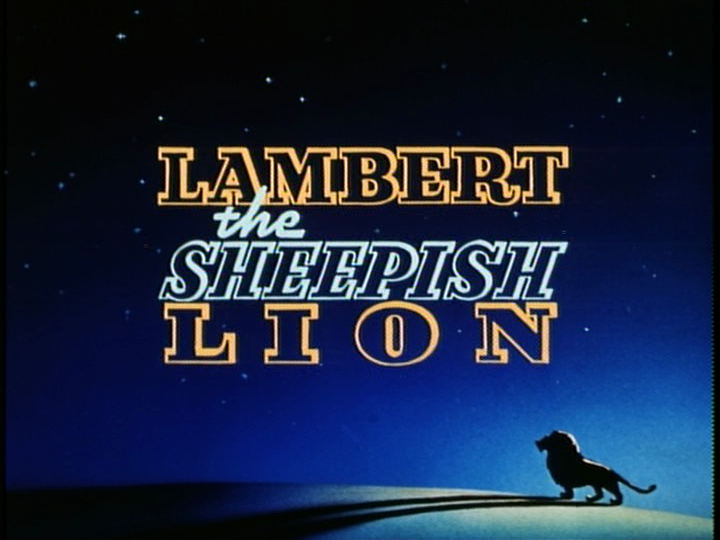
February 8, 1952 – The Special Short Film Lambert, the Sheepish Lion Premieres in Theaters

vlcsnap-2013-02-07-21h11m42s207

“Lambert, the sheepish lion, Lambert, is always trying to be a wild and wooly sheep, Lambert, the sheepish lion.”

On February 8, 1952, the special short film Lambert, the Sheepish Lion premiered in theaters. The stork in this short should look familiar, as he is the same stork that was featured in Dumbo, which was also voiced by actor Sterling Holloway, who also narrated the short. An original print of the film was given to Emperor Hirohito as a gift, as it was his favorite Disney short film. The short was also nominated for an Academy Award, but lost to the Tom and Jerry short The Two Mouseketeers. The story was written by Bill Peet, Ralph Wright, and Milt Banta, and was directed by Jack Hannah.

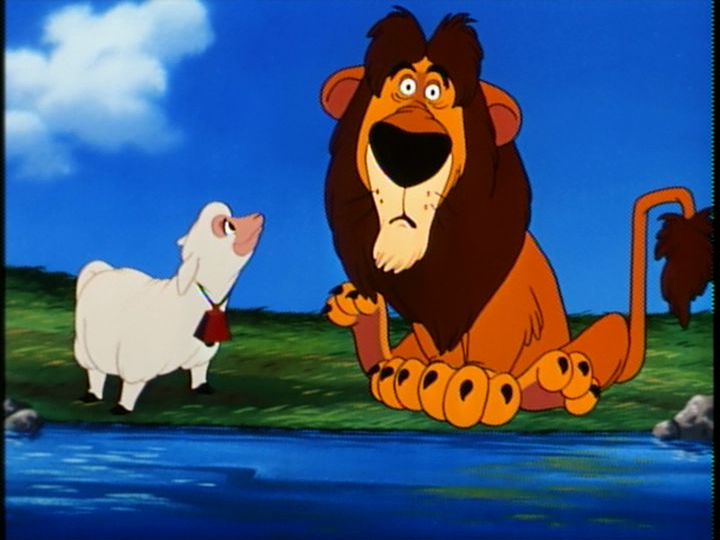
One spring evening, a stork delivers a bundle to a sleeping flock of sheep. He opens the bundle to reveal several newborn lambs, which scurry about to claim their mothers. One ewe, however, is skipped by all the lambs, and she goes off to cry. Meanwhile, the stork has one little “lamb” that won’t wake up. When he finally does get it to open its eyes, he realizes that it’s a lion cub named Lambert, and it has already bonded with the lonely ewe. The stork tries to take Lambert to his home in South Africa, but the ewe attacks the stork and keeps Lambert with her. The next morning, the lambs begin to play, and Lambert wishes to join in, but realizes right away that he’s different. The lambs make fun of poor Lambert, who goes back to his mother. He continues to watch the lambs play, and when he tries to join in, he is continually bullied.

Lambert has grown from a cub to a full lion, with his mother still being so proud of him

Lambert has grown from a cub to a full lion, with his mother still being so proud of him

The seasons change, and soon the lambs are all grown up, and so is Lambert. However, although he is a full-grown lion, he still acts like a sheep, and is still the butt of the jokes of the rams. One night, as everyone is sleeping, the sound of a wolf wakes Lambert up, and he spies a hungry wolf surveying the flock. The wolf decides that Lambert’s mother is to be his meal, and the rams all hide behind trees. Although Lambert is terrified, he decides to screw up his courage and act like a raging lion, scaring the wolf silly. After saving his mother, the flock now considers Lambert one of them, and he lets out a triumphant “baa.”

February 7

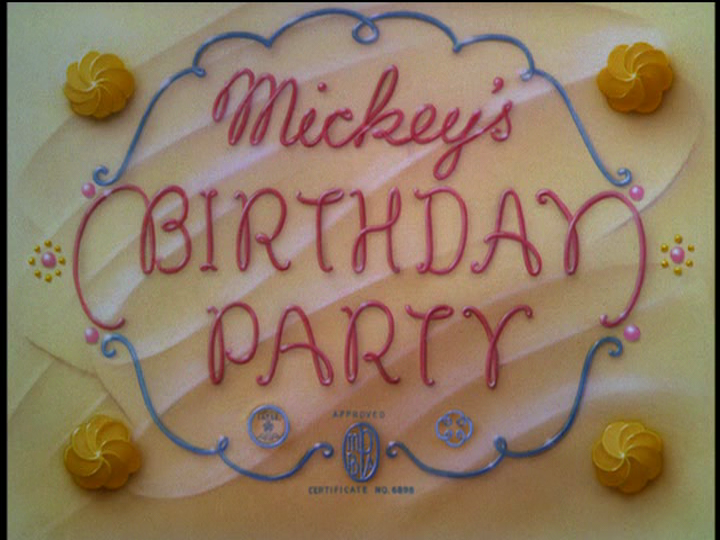
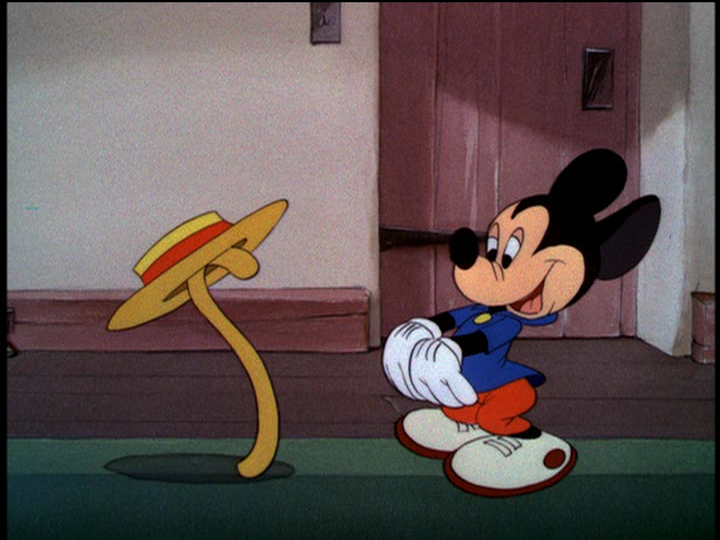
February 7, 1942 – The Mickey Mouse Short Film Mickey’s Birthday Party Premieres in Theaters

vlcsnap-2013-02-06-19h52m51s41

“He’s coming! Shhh! Hide!”

On February 7, 1942, the Mickey Mouse short film Mickey’s Birthday Party premiered in theaters. The short is considered a remake of the 1931 black and white short film The Birthday Party, although the earlier version did not include Donald Duck and Goofy. The 1942 short was directed by Riley Thompson.

Minnie is peering out her door’s peephole, then turns back to everyone inside and tells them to hide, as Mickey is approaching. Everyone scrambles around to find a place to hide while she reapplies her makeup. When she opens the door, Mickey steps in, asking for a little kiss. Minnie flirtatiously fends him off, and when Mickey tries to kiss her, everyone jumps out yelling “Surprise!” startling him. They wish him happy birthday, and Minnie then whispers to Goofy to go bake the cake.

Mickey dances with his cane while Minnie plays the new electric organ

Mickey dances with his cane while Minnie plays the new electric organ

Mickey is asked to open his present, and inside is a brand new electric organ. Mickey sheepishly says that he doesn’t deserve it, and Donald says that they know that. Mickey sits down to play the organ, although he’s not sure how to play the newfangled instrument. Minnie decides to play the organ while Mickey entertains their friends with his dancing. In the kitchen, Goofy has been distracted by the music and dances with the mop before checking on the cake. Unfortunately, when he uses a straw to test if it’s fully baked, the cake deflates like a balloon. Minnie checks in on him, and Goofy pretends that everything is just fine.

The party continues, with Donald dressed in a sombrero and leading a conga line. Goofy tries to bake a new cake, but has another failure. Minnie checks in again, and tells Goofy to hurry up. Donald dances with Clara Cluck, while Horace Horsecollar and Clarabelle Cow partner up. Goofy quickly tries to create yet another cake, cooking it at a setting called “volcano heat,” and the cake erupts all over the kitchen. Goofy becomes distraught, until he comes up with an idea and speeds out of the house, returning with a store-bought cake. Everyone begins to sing to Mickey, when Goofy trips and spills the cake all over the birthday mouse.

February 6

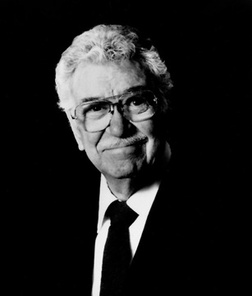
February 6, 1914 – Voice Actor and Disney Legend Thurl Ravenscroft is Born

Thurl

“Little did I know back then that the basso voice singing about gold doubloons and pieces of eight belonged to the same man who provided the voice for Tony the Tiger, and so many characters in Disney films, and the Disneyland park.” – Leonard Maltin

On February 6, 1914, Thurl Arthur Ravenscroft was born in Norfolk, Nebraska. In 1933, he headed for California to attend the Otis Art Institute, and joined a barbershop quartet known as The Sportsmen Quartet, who went on to perform on the Jack Benny radio program. Ravenscroft would soon find success with a new quartet known as the Mellomen, who performed in The Glenn Miller Story  and later a film with Elvis Presley.  The Disney Studios hired the Mellomen often; they sang in animated films Alice in Wonderland and Lady and the Tramp, and television serials Cavalcade of Songs and The Legend of Elfego Baca. Ravenscroft leant his voice to the theme songs of two Disney serials: “Boys of the Western Sea” and “The Hardy Boys: Mystery of the Applegate Treasure.”

Ravenscroft’s voice is used extensively in Disneyland, most famously in the Haunted Mansion attraction as one of the singing busts in the end of the ride (surprisingly, Ravenscroft’s bust is often mistaken as that of Walt Disney). His voice can also be heard in Pirates of the Caribbean, Splash Mountain, and in the Enchanted Tiki Room as Fritz, the German parrot. Ravenscroft also had many famous non-Disney roles, including the song “You’re a Mean One, Mr. Grinch” in the famous television Christmas special, The Grinch Who Stole Christmas, and his most famous role, Tony the Tiger of Kellogg’s Frosted Flakes. He was inducted as a Disney Legend in 1995, and passed away in 2005.

February 5

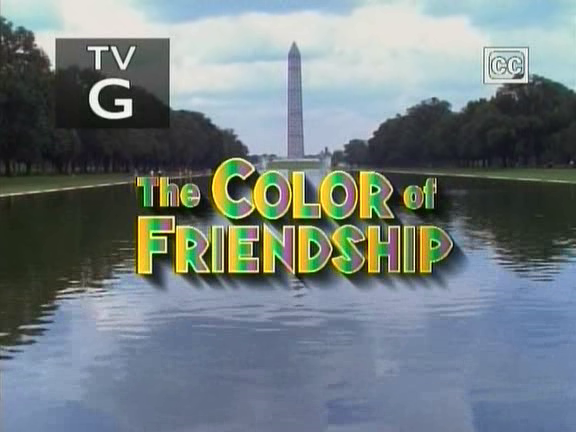
February 5, 2000 – The Disney Channel Original Movie The Color of Friendship Premieres
vlcsnap-2013-02-03-17h52m05s154

“Sweetheart, listen to me. I have been fighting bigotry my whole life – both here and overseas. It goes against everything I’m about to have a racist, white South African living in my house!”

On February 5, 2000, the Disney Channel Original Movie The Color of Friendship premiered. The film was based on a true short story written by Piper Dellums, who had a South African girl named Carrie stay with the family when she was young, although she lost touch with Carrie after she went back to South Africa. The film was met with much critical praise, and won several awards, including an Emmy for Outstanding Children’s Program. Congressman Ron Dellums’ son, Erik Dellums, plays a small role in the film. The film was written by Paris Qualles and directed by Kevin Hooks. It stars Shadia Simmons as Piper Dellums, Linsdey Haun as Mahree Bok, Carl Lumby as Ron Dellums, Penny Johnson as Roscoe Dellums, and Ahmad Stoner as Daniel.

The film is set mainly in Washington, D.C., in 1977. Piper Dellums is sitting in her bedroom, painting her face and waiting for her father, Congressman Ron Dellums, to come home from work. Piper has prepared an elaborate show, complete with costume and music, to ask about participating in a student exchange program with students from Africa. Piper sees it as an opportunity to “enrich [their] lives and form a kinship and bond between [their] black African brothers and sisters.” Her father has said no before, but she does wear him down, thinking it may be a good idea to “shorten the cultural divide between black Americans and black Africans.” Piper is overjoyed and already imagining what the student will be like.
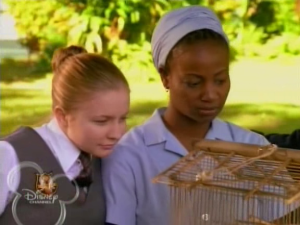
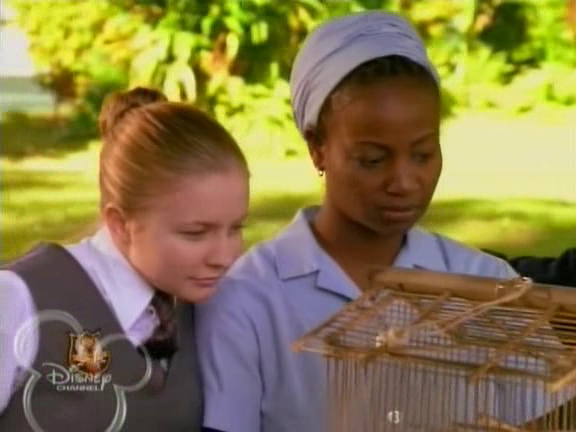
Mahree sits with Flora, learning about the story of the weaver bird

Mahree sits with Flora, learning about the story of the weaver bird

In Dundee, South Africa, white South African Mahree Bok is asking her mother for permission to participate in the exchange program. Her father is a police officer, who shares the news with his family that they have caught Stephen Biko, an anti-apartheid activist, who Mahree’s mother calls the “Black Agitator.” Mahree asks about the exchange program, and her father agrees to let her go. When a black waiter at their restaurant drops a tray of dirty dishes and splashes food on a customer, the customer kicks him while calling him a racial slur. However, Mahree and her family see this as the norm, and do not question it. Mahree then talks to her maid, Flora, whom she considers her best friend, although she remains ignorant about the apartheid situation. When Flora hears about the family she’ll be staying with, she suddenly pauses; Flora has heard about Dellums’ work against apartheid, but keeps this secret from the Bok family.

As Mahree prepares to leave, her brother runs to her, showing her a flag he’s found. Mahree quickly snatches it away, telling him sharply that it’s the flag of the anti-apartheid activists, and Flora quickly takes it away before their parents see. Later that evening, she keeps the flag with her personal belongings, and pulls out an article she saved about Congressman Dellums’ work against apartheid. Piper and her mother wait anxiously at the airport for Mahree, with Piper looking for a black girl in traditional clothes. Mahree, looking for a white family, walks right past the Dellums. When the two finally meet, Piper is disappointed, and Mahree treats the two like servants. Roscoe, Piper’s mom, rushes into Ron’s office to explain what happened. When Mahree enters the room to see all the black congressmen, she laughs, thinking this is all a joke, but is suddenly horrified.
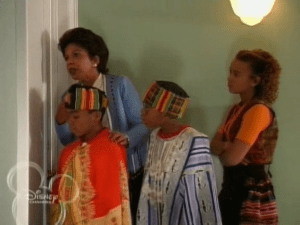
Mahree has locked herself in Piper's room, having been overwhelmed by the entire situation

Mahree has locked herself in Piper’s room, having been overwhelmed by the entire situation

Roscoe thinks things will work out, but Piper is not sure, and neither is Mahree. When she arrives at their house, she runs to Piper’s room and locks the door, refusing to come out. When Ron arrives home, he is less than pleased about the situation. Later that evening, Mahree escapes the room to call home, ready to ask to come home, but after hearing her father teasing her about wanting to come home, she puts on a brave face and pretends everything is wonderful. Ron and Roscoe argue, with Roscoe claiming that things will turn around. Ron says that the girl obviously doesn’t want to be there and she should be sent home. Roscoe then stops by and says that she’s spoken with the coordinator of the exchange program. They’ll look for another host family, she says, but if they can’t, they’ll be sending her home. Piper is furious at Mahree’s behavior, and Roscoe reminds Piper that her behavior at the airport was just as bad, although Piper argues that she’s over it. Mahree then appears in the doorway, and says quietly that she would like to stay with the family.

Piper and Mahree start warming up to each other, although some of the terms Mahree uses are confusing. When Piper helps Mahree move to the guest room, Ron offers to help her “move,” although he thinks she’s leaving while she’s only moving to the guest room. Ron still doesn’t want Mahree to stay, as he is very against her politics. When they find out her father’s a cop, he’s even more determined to send her home. Roscoe, however, thinks that they can teach her that racism is wrong, and set a good example for their children. However, Mahree still has a few problems adjusting, as she is not used to life without a maid, and Piper learns more about some of the government regulations Mahree thinks are just normal in South Africa. She, Piper, and Roscoe then head to the mall to do some back-to-school shopping. The three have an enjoyable time, and head out for ice cream. When the black server accidentally spills an ice cream sundae on a white customer, Mahree tenses, praying that the customer won’t hit the server. The customer, however, reassures that everything’s okay, and orders the sundae that was spilled on him.
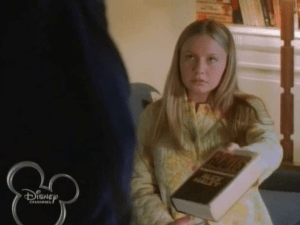
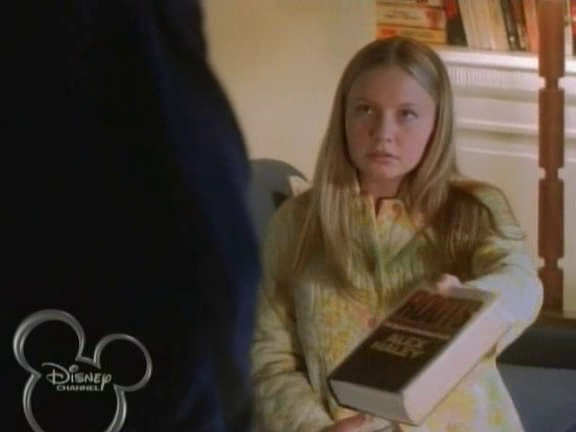
Mahree shows Ron what she's been reading, and he starts explaining the book's significance to her

Mahree shows Ron what she’s been reading, and he starts explaining the book’s significance to her

At work, Ron receives an urgent call from the South African embassy, who wants to confirm that he’s hosting Mahree. Mahree and Piper learn more about each other’s school, and Piper then asks why Mahree keeps calling her “bantu.” Mahree explains that in Afrikaans, “bantu” means “negro,” “kaffir” being the racial slur, which she reassures Piper she would never say. Piper then talks to her mother and father about the differences in language, like calling a trunk of a car a boot. She mistakenly says that Mahree called her a “kaffir,” which riles up Ron, as he will not tolerate that sort of racist behavior under his roof. Piper quickly defuses the situation, as she accidentally mixed up the words. Late that evening, Mahree heads downstairs to read, and pulls out a copy of Roots by Alex Haley. She begins to read, but is interrupted by Ron. When he sees what she is reading, the two begin to talk and understand each other.

The next day is the first day of school for Piper and Mahree, and Mahree has to wait in line for her schedule. She is still adjusting to this life in America, where the schools are no longer segregated. She spends the rest of the day reading her assigned book Cry, the Beloved Country, by Alan Paton. Although the book is about South Africa, Mahree has never heard of it before, and admits that it’s probably banned. Piper then expresses confusion about how many things are banned in South Africa, and why the government has banned them (for “protection,” Mahree says). The two have quickly become best friends, going to the movies and exploring D.C. One day, when they arrive home, a strange car is in the driveway. They find out that members of the South African embassy are there to take Mahree back to the embassy and send her home. Mahree doesn’t want to leave, but they force her out, saying it’s for the “safety of the child.” Piper immediately calls her father to get this sorted. An anti-apartheid demonstration is in full swing when they reach the embassy, and Mahree finds out that Stephen Biko has been killed by the police. Mahree is horrified by the racist reactions of the members of the embassy.
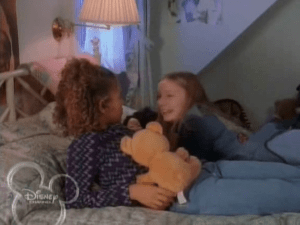
Mahree celebrates her homecoming, but Piper is still distressed, thinking that Mahree still has her racist attitude

Mahree celebrates her homecoming, but Piper is still distressed, thinking that Mahree still has her racist attitude

Piper is still upset after they took Mahree, and when her friend Daniel stops by, she explains that she’s gone. Daniel then laughs, and wonders aloud what took her so long. He believed her to be racist due to attitudes in South Africa, and then explains about the Stephen Biko situation, and pointedly asks Piper what she thinks Mahree thinks about it. When Mahree is sent to call her parents, she grabs a phone and calls Piper instead, but Piper misses the call. When she gets ready to call her parents, she is thrilled to see Ron at the door. He reassures her that things will be okay, and soon Mahree is on her way back to the Dellums’. Piper, however, isn’t thrilled to see her, wondering why she’s back, and if she understands what the death of Biko meant. The two get in an argument about Biko’s death, with Piper insulting Mahree’s father, and yelling at her about the racist attitudes in South Africa. Mahree flees the house, and Ron goes to talk with Mahree, while Roscoe goes to talk with Piper. Mahree admits that Piper couldn’t visit her in South Africa, and she hates it. Ron explains that racism is a nasty cycle, and it has to stop, and America has gone through the same struggle before.

Piper then appears outside, and Mahree explains the story of the weaver bird, the same story told to her by Flora, who explains that it lives in a huge nest with so many other birds of different colors, and they all help each other and never fight. Soon after, the Pan-Africa festival takes place in D.C., and the family runs into Daniel, who soon warms up to Mahree, thanks to her change in attitude. Ron gives a speech at the festival, and while he gives his speech, Mahree is seen returning home to South Africa. When she gets back, she greets her family warmly, and finds Flora. She shows Flora that she’s secretly sewn the anti-apartheid activist flag within her vest, showing her change of attitude, and Flora gives her a huge hug. The movie ends with Mahree freeing the pet weaver bird from its cage, watching it fly away.
February 4

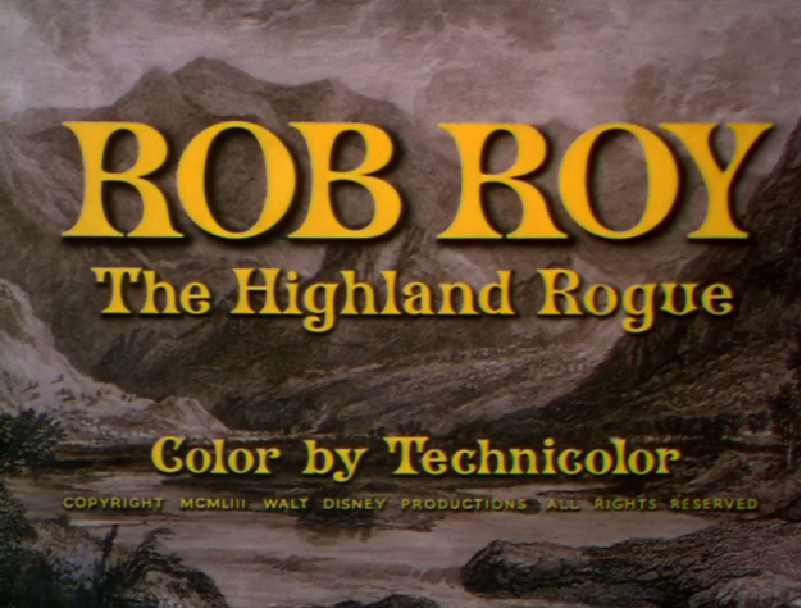
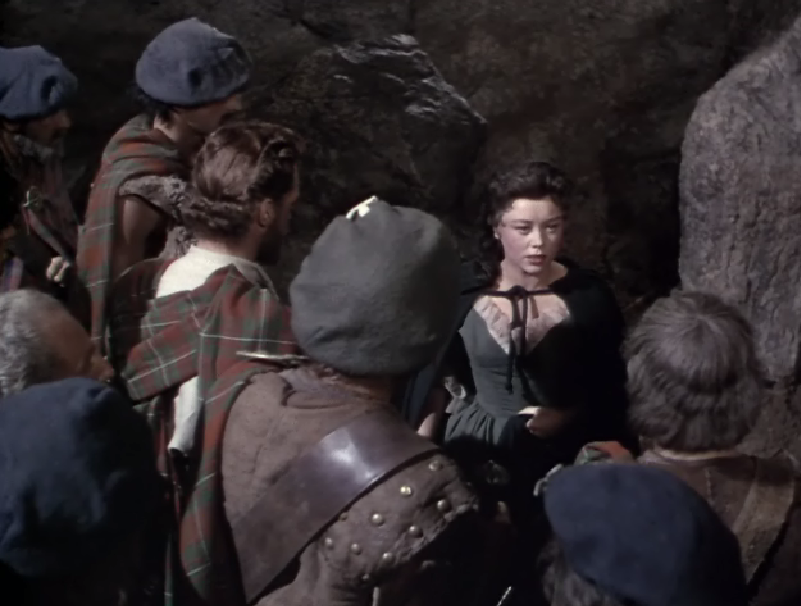
February 4, 1954 – The Live-Action Feature Film Rob Roy: The Highland Rogue is Released in Theaters

RR_1

“It takes more than foot soldiers to stop highland men.”

On February 4, 1954, the live-action adventure film Rob Roy: The Highland Rogue was released to theaters. The film is a romantic adaptation of the legend of Rob Roy MacGregor, and was the last Disney production in England until 1960’s Kidnapped. The extras in the film were Argyll and Sutherland Highlanders who had just returned from the Korean War and were on loan from the Scottish Command of the British War Office. This film was also the final Disney film released through RKO Radio Pictures; all later films were released under Disney’s own distribution label, Buena Vista Distribution. The film stars Richard Todd as Rob Roy, Glynis Johns as Helen Mary MacGregor, James Robertson Justice as the Duke of Argyll, Michael Gough as the Duke of Montrose, And Jean Taylor Smith as Lady Margaret Campbell MacGregor. The music was composed by Cedric Thorpe Davie, with screenplay by Lawrence Edward Watkin, and was directed by Harold French.

The film begins with a synopsis of the state of Scotland in the early 18th century: the German George I was chosen as the King of England, leading to a revolt of the Scottish clans to place James Stuart on the throne. However, this revolt was almost completely crushed by the English armies, save for a small group of clansmen. Troops are then seen marching over the highlands, while the Scottish troops climb up quietly on the side of a hill. The leader of the highland troops sounds the charge, and a battle ensues. Unfortunately, the battle does not end well for the clansmen, and the leader, Rob Roy MacGregor, is among those captured as prisoners. General Argyll commands the troops to hold their fire, although another general wants to see much more bloodshed, hoping to wipe out every last clansman. Argyll, a highlander himself, holds firm to his orders.

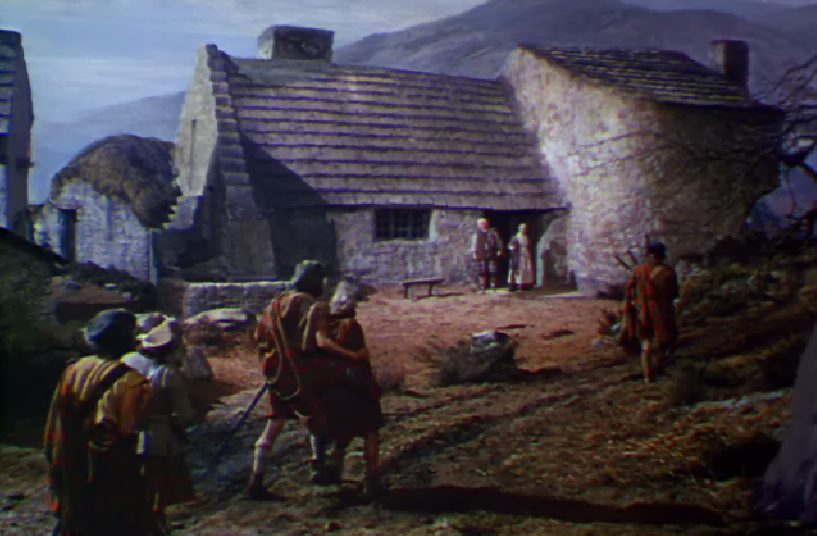
The men return, weary from their loss, ready to meet their families and regroup

The men return, weary from their loss, ready to meet their families and regroup

The highland troops return home, defeated and weary. Two of the men head to Rob Roy’s home, where his mother, Lady Margaret, sadly asks what’s happened to him. They tell her that he’s been taken to Sterling Castle, and she angrily asks why, as his closest kinsmen, they would dare to return without him. Lady Margaret then decides to head to Sterling to free her son, joined by the kinsmen. She greets Argyll, and although he tries to brush her away, she sits and refuses to leave. The Duke of Montrose, who has been going through the figures from the battle, states that at least they have the chief of the clan MacGregor to hang in England, while Argyll declares that Scots will be tried in Scotland. Montrose informs Argyll that his position as Secretary of State for Scotland is in peril, and if Argyll doesn’t deliver MacGregor to England, he will no long have his position. Argyll then explains to Margaret that while he believes in the fight to get James on the throne, he is working on getting amnesty for all of the clans of Scotland, and Rob Roy must not act so impetuously. Margaret then asks what would happen if Rob Roy were sent to England, and comes up with a plan to save him if he is transported; Argyll, who is Margaret’s cousin from the clan Campbell, goes along with her plan with a smile.

As Rob Roy is sent to England in Montrose’s carriage, MacGregor clansmen come to his rescue. Safely back home, he greets his mother, but warns her that the troubles are not quite over yet. He is shocked when she tells him that Argyll was the one that helped save him and that Argyll is not the enemy Rob Roy considers him to be. She asks him to try the ways of peace and settle down, and he hints at his affection for local girl Helen, although he has no intention of finding out her feelings for him. At the local tavern, where Helen is, the men are telling their stories from battle, when Helen animatedly picks up the story her father was telling. She’s hoping that Rob Roy will be by, and when he does appear, she acts rather indifferent at his arrival. He distracts her father to have a chance to talk with Helen alone (although he can only talk to her “alone” with her parents in the room). Finally, he proposes, and she happily accepts.

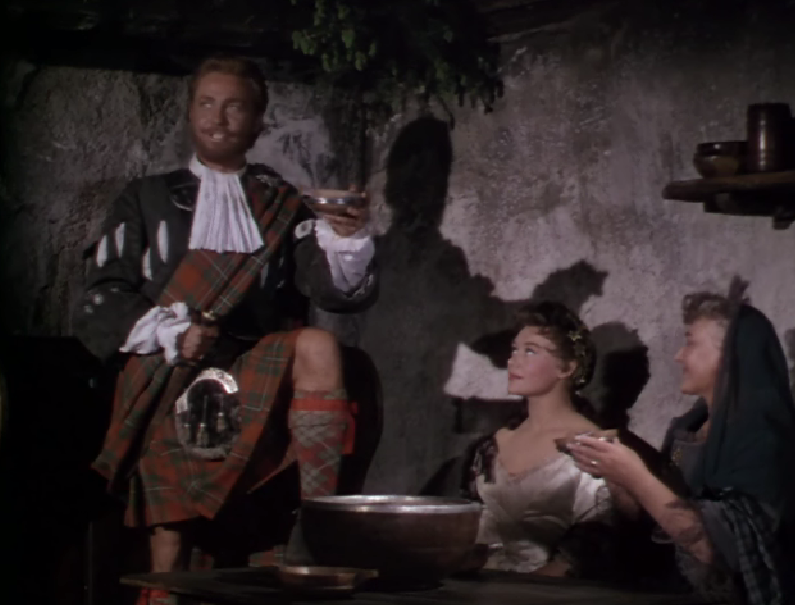
Rob gives a toast at his wedding to his beautiful bride, Helen

Rob gives a toast at his wedding to his beautiful bride, Helen

The wedding is a grand affair, with many kinsmen and friends in attendance. Unfortunately, the party quickly ends when British troops arrive with a proclamation from King George, which grants amnesty to all the clans of Scotland – except the clan MacGregor. The members of the clan are ordered to change their name to any surname of their choosing, no minister can lawfully baptize any male child with the name of MacGregor, and no member of the MacGregor clan can ever bear arms, whether offensively or defensively. When Rob Roy orders them to leave, the troops then bring forward a warrant for his arrest from the new Secretary of State of Scotland, Montrose. Argyll has been stripped of his offices and sent home to his castle. As Rob Roy is arrested, he orders his men to go “back to the punchbowl,” and Helen is sent to Lady Margaret’s home for her protection. As he is taken away, Rob Roy breaks free from his bonds and escapes over a waterfall, with the British troops in quick pursuit. Rob Roy makes it back to his clansmen at an area known as the punchbowl (which he alluded to earlier), and orders his men to hide away their weapons, as he has no doubt that the British will kill them all should they attempt to fight back. Begrudgingly, they follow his orders.

Rob Roy sneaks back into his mother’s castle and greets his wife, but reveals that he can’t stay long, and asks her to come with him. The British troops have surrounded the castle all night, waiting to find if he has returned home. The troops fire as they spot Rob fleeing the castle, but he escapes. Back in the village, the men are paying their rents and extra taxes Montrose has placed on them, but when they ask for receipts, the British soldiers refuse to call the clansmen by their names of MacGregor, changing it to MacAllister. Tensions are high between the British men and the MacGregor men, especially when the British men offer a reward for the capture of Rob Roy. Rob Roy then appears, claiming the reward money and giving it back to his men. Montrose is angered at Rob Roy’s escape – again – and demands that Lady Margaret be brought in for harboring a fugitive, followed by an order to bring more men to surround her castle, if Rob Roy returns.

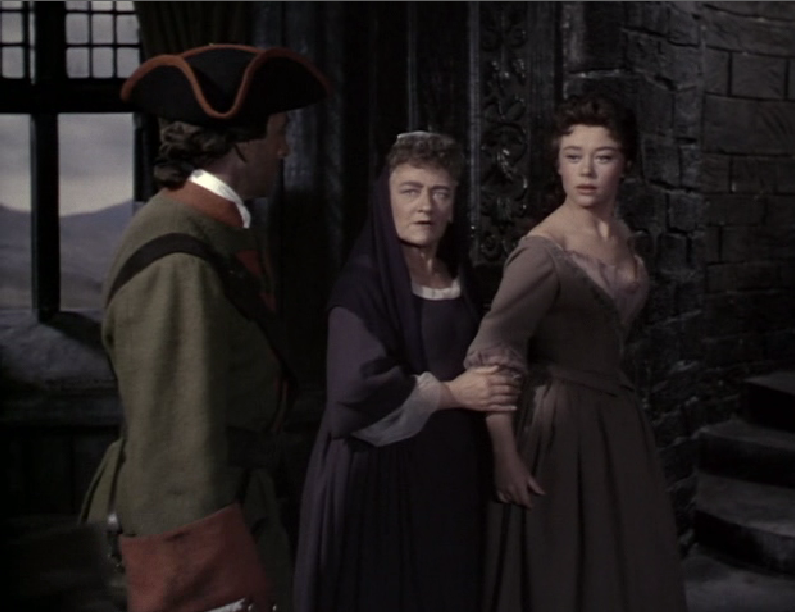
Margaret and Helen watch as all of Margaret's belongings are confiscated

Margaret and Helen watch as all of Margaret’s belongings are confiscated

Rob Roy watches as the British invade the castle, taking all of Lady Margaret’s belongings as punishment for harboring a fugitive, then taking her to Sterling Castle as a prisoner. Helen is dragged away, but is saved just in time as Rob Roy appears. A fight ensues, with Lady Margaret using her late husband’s pistols to save her son, but is shot herself, although she brushes it off so as not to worry him. The British men then set her house on fire, alerting all the MacGregor men in the village. Rob Roy, Helen, and Lady Margaret are captured inside the burning building, but Rob Roy, to save his wife and mother, decides to sacrifice himself. Suddenly, he hears the cries of his clansmen, and Helen takes Lady Margaret away from the smoke, only to find that she’s been fatally wounded. Her last wish is to ask Rob Roy to stop the fighting, and Helen agrees to ask.

Lady Margaret is given a proper highland burial, with Argyll in attendance. Montrose crashes the funeral, incurring the wrath of Argyll, who has shown up with several Campbell kinsmen to stand at the ready. Seeing the Campbell clan, Montrose leaves, letting the funeral continue. Rob Roy tells Argyll that although the MacGregor men have tried for peace and to follow the English law, they are still attacked no matter what they do. Argyll then states that as a Knight of the Garter, he still has the right to talk to the King, and will persuade him to give amnesty to the clan MacGregor, claiming that “the peace of the highlands concerns us all.” Argyll asks Helen to restrain Rob Roy, and allow the soldiers he captured from the fight at his mother’s castle go free. Convinced by his mother’s last words, he comes forward with an offering of peace, and is shot by one of the English men, which means in no uncertain terms that this has escalated into a war.

Helen, angered at the men's stubborn actions, informs them that she no longer honors them

Helen, angered at the men’s stubborn actions, informs them that she no longer honors them

Meanwhile, in London, Rob Roy is becoming a living legend, with ballads and stories being written about him. A cabinet meeting is called to talk about his actions, and fear that the other clans will join the MacGregor uprising. The King, however, is delighted by the stories of Rob Roy. Argyll arrives to explain the situation in Scotland, and the King calls out members of his cabinet to speak with him and Argyll. Montrose declares that 6,000 soldiers will be needed to kill the highland troops, but Argyll says that if he can go back alone, he can bring Rob Roy back alone; the King agrees to Argyll’s proposal. In Scotland, Rob Roy continues to fight, although Helen asks him once more to stop the fighting. The battle begins, and Rob Roy’s men are victorious at taking over the fort. Argyll arrives just as the battle ends, saddened that Rob Roy’s actions may have cost them all the peace they wished. As Rob Roy declares that they will always fight against the German king, Argyll says that if they do, he will be back with English troops to fight against them.

Just as Rob Roy’s men agree with his declaration, Helen appears, hoping to talk sense into the men. She doesn’t honor their impetuous actions, as they will only destroy themselves rather than get the peace that they need. Moved by Helen’s words, Rob Roy surprises Argyll by showing up in London with his men, wishing for amnesty. The whole of London follows the clan, wanting a chance to see the legendary Rob Roy for themselves. Rob Roy enters the throne room and asks for amnesty for his clan, and will take all the punishment the king wishes to bestow. The king then announces he doesn’t fear Rob Roy, but the self-seeking “friends” among him, shooting a pointed look at Montrose. He then gives Rob Roy back his sword and his name of MacGregor, calling him a great rogue, with Rob Roy responding that King George is a great king. The story of Rob Roy and the King is then told over and over in the inn, with the added fact that Argyll is now the Secretary of State once again. Rob Roy returns home during the storytelling into the waiting arms of Helen, and all is well in Clan MacGregor once more.

February 3

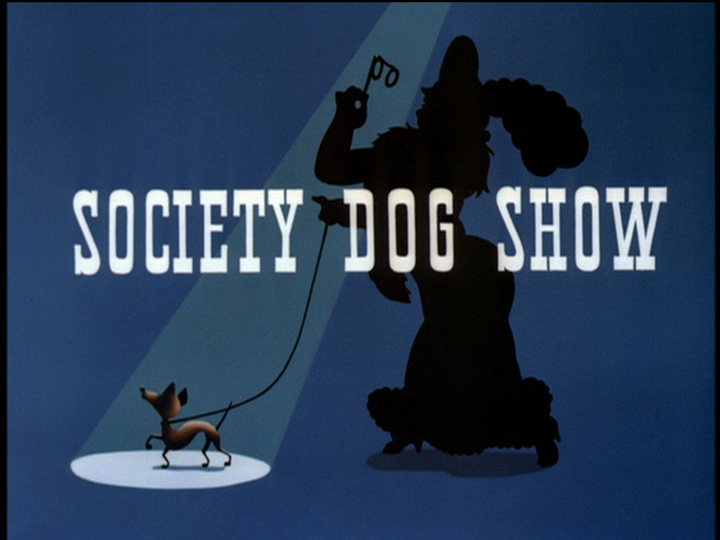
February 3, 1939 – The Mickey Mouse Short Film Society Dog Show is Released to Theaters

vlcsnap-2013-02-02-20h01m05s86

“Gosh, Pluto, we’re in society!!”

On February 3, 1939, the Mickey Mouse short film Society Dog Show was released to theaters. As was common in the Mickey Mouse shorts of this time, most of the focus is not on Mickey, but on his dog Pluto, although Pluto did have his own line of short films at this point. Fifi, Pluto’s love interest, also makes an appearance. The short was directed by Bill Roberts.

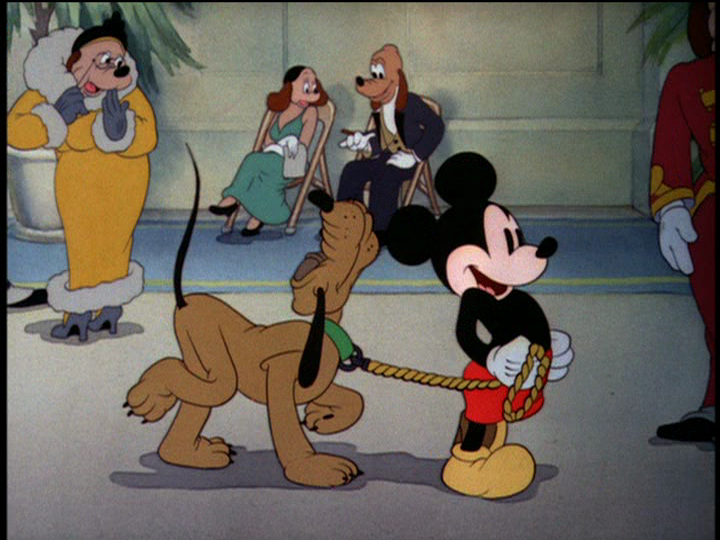
The big society dog show is in town, with much fanfare, and all of the most impressive people are arriving. Mickey shows up in a homemade cart, and the doorman looks down his nose at Mickey and Pluto as they enter the building. They reach their assigned spot – number 13 – then take a gander at all of the fancy beauty treatments the high society dogs are getting. Mickey reassures Pluto that they haven’t seen anything yet, and gets to work brushing Pluto down and shining his nose. Pluto sneezes after Mickey applies perfume, sending Mickey crashing into their supplies. As Mickey leaves to chase after a part of his kit, Pluto is distracted by the beautiful dog in the next stand, Fifi.

Mickey takes Pluto to the stand, with the two holding their heads high

Mickey takes Pluto to the stand, with the two holding their heads high

Mickey is soon called to bring Pluto to the judge’s stand, and tears Pluto away from Fifi, telling him that this is “no time for women.” The two head to the stand, where the judge is unimpressed with Pluto, even when Mickey points out that Pluto is a very fine dog, and very smart, too. However, every attempt the judge makes to study Pluto goes awry, and he calls Pluto a mutt, which angers the dog. Pluto chases the judge around the room, barking and snapping his teeth. As security runs to retrieve Pluto and Mickey, and tosses them onto the street, inside the final event is announced: trick dogs. Mickey then has the idea of making Pluto a trick skating dog and bringing him back inside. As the dogs pose for a photo, the flash powder catches on the decorations, setting them on fire. The dogs scamper away, but Fifi is trapped under a microphone and unable to leave.

Hearing Fifi’s terrified cries inside, Pluto rushes in, skates and all, and hurries to save her as the building begins to collapse. The two make it out all right, and Pluto is awarded a medal as Public Hero No. 1, and more important, wins the heart of Fifi.

February 2

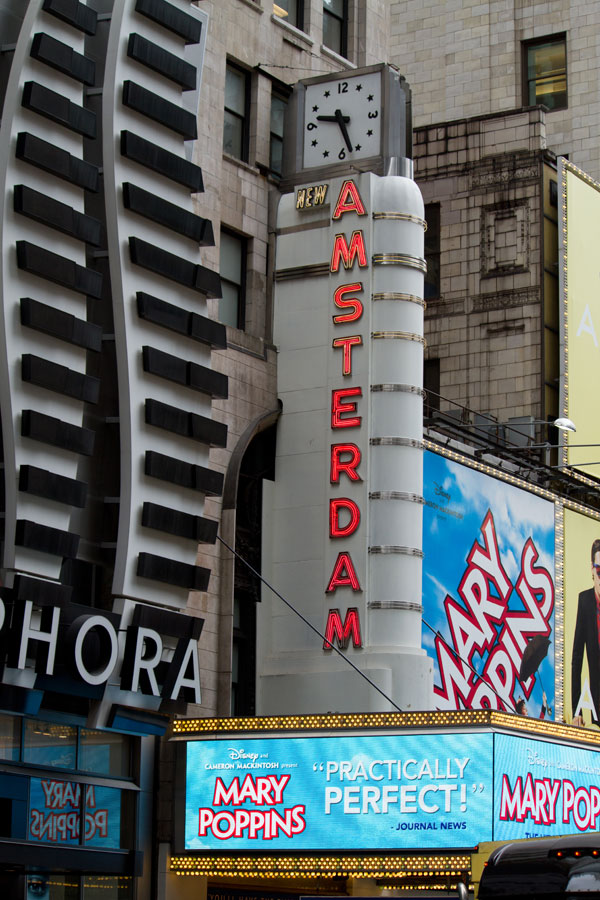
February 2, 1994 – Disney Announces Plans to Restore the New Amsterdam Theater in New York City

mary_poppins_new_amsterdam_theatre1

“The recent corporate influence on Broadway is often attributed to the success of the Walt Disney Company. But before the Broadway musical was resurrected by Disney, Disney was resurrected by the Broadway musical.” – Julie Andrews, Broadway: The American Musical

On February 2, 1994, The Walt Disney Company announced their $29 million plan to restore the historic New Amsterdam Theater on 42nd Street, New York City. Disney’s plan included restoring the theater to its original splendor and Art Nouveau style architecture, and using it as a permanent home for new theatrical productions. Currently, it is showing Mary Poppins.

The theater was built in 1903, and from 1913 to 1927 was home to the famous Ziegfeld Follies, which showcased such talents as Fanny Brice and Olive Thomas. In 1936, the theater was closed due to the economic downturn of the Great Depression and the effect it had on the theater industry, but the theater opened soon after as a movie theater. In 1982, it was purchased by the Nederlander Organization, but in 1990, the State and City of New York won ownership of the theater.

Disney negotiated with state and city agencies, contributing $8 million to the restoration, with the remaining amount loaned to the company from the 42nd Street Development Project. “New York City wanted to bring Disney’s wholesome image to its sleaziest playground,” Julie Andrews narrates on the documentary Broadway: The American Musical. “But Disney wanted assurance from Mayor Rudolph Guliani that the neighborhood would be safe for families,” as the 42nd Street neighborhood at the time comprised many adult entertainment centers. Disney’s acquisition of the theater helped bring new life to 42nd Street and Broadway, and brought a new venue of interest to major corporations. In the fall of 1997, Disney’s first musical, The Lion King, opened in the newly refurbished theater.

February 1

February 1, 2008 – The Phineas and Ferb Segment “Flop Starz” Airs

P&F_FS_1

“Gitchee, gitchee, goo means that I love you!”

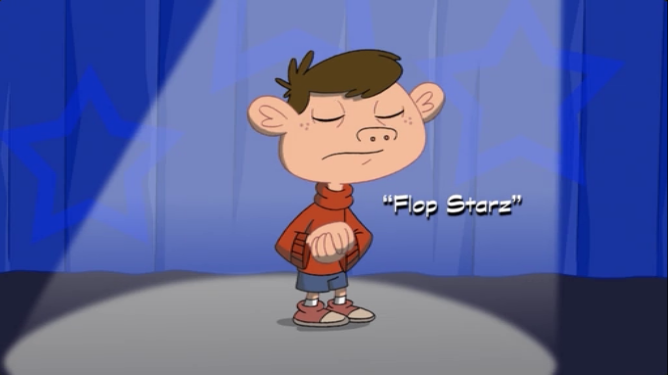
On February 1, 2008, the segment “Flop Starz” was used as the first officially airing episode of the popular animated television series Phineas and Ferb. The segment features an original song called “Gitchee, Gitchee, Goo,” written by the series co-founders Dan Povenmire and Jeff “Swampy” Marsh. The song impressed Disney enough to warrant a song for every episode afterward. “Flop Starz” was chosen to be the first episode by Disney executives, rather than the pilot episode, “Rollercoaster,” thanks to its grandiose atmosphere. The episode was broadcast on February 1 in every country that broadcasts Disney Channel, and garnered more than 23.5 million viewers worldwide. The episode received positive reviews, particularly for the song, which has been released on several Disney albums, including Disney Channel Playlist.

The episode begins with an ad for The Next Super American Pop Teen Idol Star!!, with auditions taking place at the mall in downtown Danville. Phineas and Ferb are eating breakfast while the ad is playing, when Candace runs into the kitchen, excited about the opportunity, and runs off to tell her best friend, Stacy. Phineas remarks that it would be best to have a one-hit wonder, a concept explained to him by his mother (who secretly had a one-hit wonder under the name “Lindana”). Phineas tells Ferb that he knows what they’re going to do today, and the two begin to work on becoming one-hit wonders. As Candace and Stacy prepare for Candace’s audition, the boys are hard at work coming up with meaningless lyrics for their song.

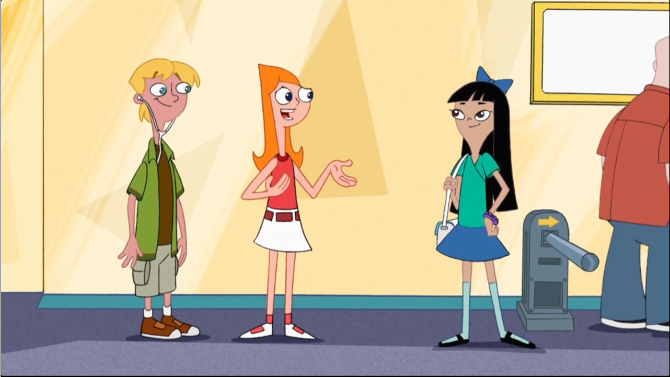
Candace (C) is joined by her friend Stacy and her crush Jeremy, while attempting to rid herself of a bout of stage fright

Candace (C) is joined by her friend Stacy and her crush Jeremy, while attempting to rid herself of a bout of stage fright

Meanwhile, Perry, the pet platypus, heads off to receive his mission. His nemesis, Dr. Doofenshmirtz, has apparently been buying construction toys “at an alarming rate.” Perry heads off to put a stop to Dr. Doofenshmirtz’s plans. At the mall, Candace heads to her audition, but is overwhelmed by stage fright. She then runs into her crush, Jeremy, who is only there to see a hot new band called “PFT,” and tells her that the 100th contestant will get to perform with them, live. Candace is announced as the 100th contestant, and is shocked to discover that “PFT” stands for “Phineas and the Ferb-Tones.” Phineas is also surprised to see his sister, and begins coaching her on their big single, “Gitchee, Gitchee, Goo.” Candace is shocked that her brothers have a hit single, and threatens to tell their mother.

Perry arrives at Dr. Doofenshmirtz’s lab just in time for him to activate his latest project: a giant robot that tramps through the Tri-State Area. Perry tries to deactivate the robot, but he is captured. Meanwhile, Phineas and Ferb are in the office of executives of Huge-O Records, but they remember what their mother said about being one-hit wonders, have a diva tantrum and storm out. They hear their song being played as elevator music, and realize the only thing they have left on their list is a reunion tour. The giant robot, fast approaching Huge-O Records after the boys leave, is about to smash into the building, when Perry uses pepper to make the robot sneeze himself and the Doctor out and through the executives’ office in Huge-O Records. Perry then uses the tape of PFT’s performance to save himself from plummeting to the ground, while Dr. Doofenshmirtz falls onto folding mattress that folds him up, followed by the giant robot stepping on him.

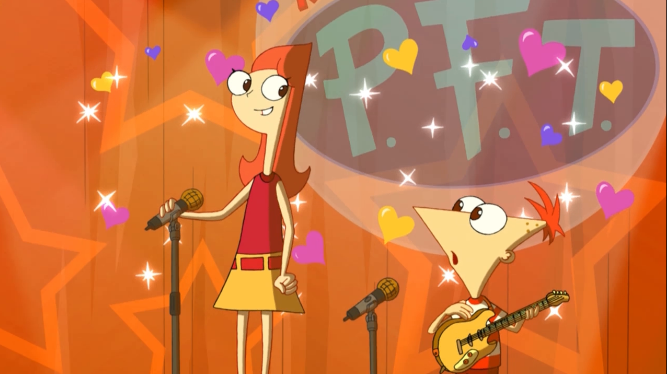
Candace gets her taste of fame after joining Phineas and Ferb onstage for their reunion concert

Candace gets her taste of fame after joining Phineas and Ferb onstage for their reunion concert

Phineas and Ferb plan their reunion concert, and Candace decides to sing with the group at their last performance. As Candace believes that this is her ticket to stardom, her hopes are dashed when Phineas announces that this would be the last time they ever perform their song and they immediately retire, leaving Candace alone in the dark.