RSS Feed

Tag Archives: 1960s

June 21

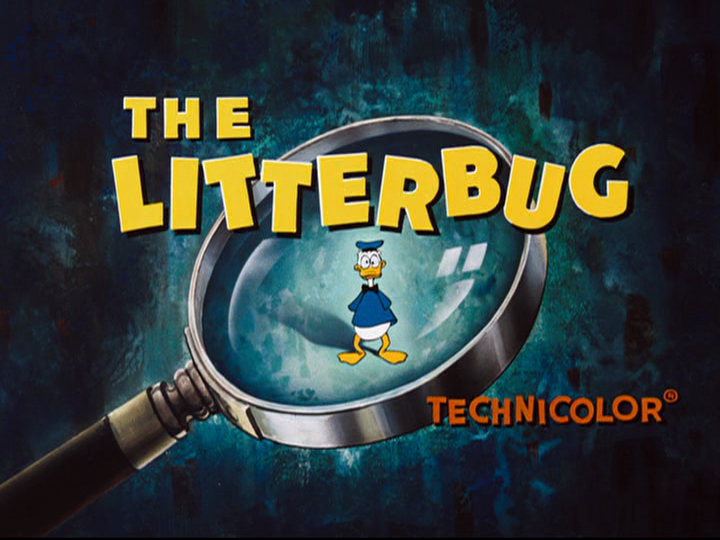
June 21, 1961 – The Donald Duck Short Film The Litterbug is Released to Theaters

vlcsnap-2013-06-21-07h36m38s211

“Still, we have no cause to be smug, for we’ve invented no poison, nor drug to settle the score with one pest we abhor and contemptibly call the ‘Litterbug.’”

On June 21, 1961, the Donald Duck short film The Litterbug was released to theaters. This was the last Donald Duck short ever made. Huey, Dewey, and Louie also make a cameo in this short. The short was directed by Hamilton Luske, with story by Bill Berg and Lance Nolley.

The short begins with several live-action shots of litter, before turning to the book Pest Control by Dr. D.D. Tee, who narrates. He runs through a few pests, including mosquitoes and termites, and how we have been able to stop their destruction. There is one pest, the doctor warns, that we have been unable to stop: the litterbug. Donald plays the part of the litterbug, leaving trash wherever he goes. When the season changes to spring, Donald (multiplied enough to fill a neighborhood) is seen cleaning his house, dumping trash on his neighbor’s lawn. The doctor then moves on the types of litterbugs, starting with the “unconscious carrier.” As Donald walks down the street, he leaves his trash everywhere, oblivious to what he is doing. As Donald starts smoking cigarettes and lighting matches, his careless tossing of the lit matches sets fires all over town.

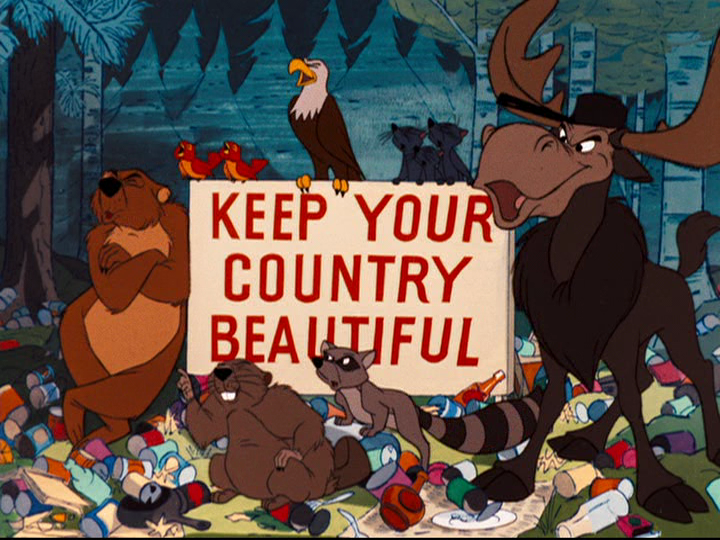
The animals are less than pleased about the condition these litterbugs have left the environment in

The animals are less than pleased about the condition these litterbugs have left the environment in

The next type of litterbug is the “sports bug.” Donald runs out of a stadium game, carrying snacks and several other items, throwing his trash around in excitement, mimicking various sports actions, including bunting and punting. The narrator then moves on to the “sneak bug,” who hides his trash in various places, like mailboxes and potted plants. He then talks about children, who start innocent, but let their true littering nature soon shine through. We observe Donald’s nephews on the playground, leaving their trash from their lunches all over the ground. After this, Donald and his nephews travel for the summer, leaving trash everywhere, from the mountains to the beaches. When all the tourists leave their holiday destinations, they leave mountains of trash in their wake. As Donald trashes the mountains, all of the animals start singing a song about the shame of littering. However, as the short ends and we pull away from the book, we see that Dr. D.D. Tee is no different, with piles of litter surrounding his desk.

June 15

June 15, 1967 – Club 33 Opens in New Orleans Square at Disneyland

Club33

“Envisioned by Walt Disney, who drew inspiration from the executive lounges at the 1964 New York World’s Fair, the club opened in 1967 and has since held a place of mystery and legend among Disneyland park guests.”

On June 15, 1967, the private membership restaurant Club 33 opened in Disneyland’s New Orleans Square. The restaurant was founded as a way for Walt Disney to attract new sponsors, having been inspired by the executive lounges seen at the 1964 New York World’s Fair. Walt and Lillian Disney traveled to New Orleans with designer Emile Kuri, and picked out several antiques that are featured in the restaurant. The name is derived from the club’s location: 33 Royal Street, New Orleans Square. The club has exclusive membership and a long waiting list, with new membership opportunities being offered rarely. Inside, the exclusive club contains two dining rooms and several areas, furnished in elegant themes ranging from the Victorian-age style to First Empire style. The menu for the restaurant changes due to season, as well as special events. A version of this exclusive club also exists in Tokyo Disneyland.

May 28

Posted on

May 28, 1966 – The Fantasyland Attraction it’s a small world Opens in Disneyland

SmallWorld

“There’s so much that we share that it’s time we’re aware it’s a small world after all.”

On May 28, 1966, the Fantasyland Attraction it’s a small world opened in Disneyland. It was originally designed for the 1964-1965 World’s Fair in New York, and was moved to Disneyland once the fair had closed. The attraction’s design was a group effort, with Disney Legends Mary Blair creating the quirky design and color scheme, Marc Davis creating the character designs, Alice Davis designing the costumes for the dolls, Rolly Crump designing the exterior façade with a 30-foot clock, and Blaine Gibson designing and sculpting the dolls. The songwriting team of the Sherman brothers wrote the song for the attraction, which was a simple tune that could be easily sung in different languages, and has become one of the most recognizable Disney songs. There are 297 Audio-Animatronic dolls and 256 Audio-Animatronic toys in the attraction. The exterior has been redesigned over the years; it was first designed as an all-white attraction with a gold and silver trim, but was then repainted pink and white with pastel accents, matching the façade from the Disneyland Paris version of the attraction.

May 3

Posted on

May 3, 1969 – The Groundbreaking for the California Institute of the Arts Takes Place ggba

“Friends of California Institute of the Arts, I’m sure that you can understand and share with me the joy…in welcoming this new institution to our new and growing city of Valencia.” – Thomas Lowe, President of Newall Land & Farming Company

On May 3, 1969, ground was broken for the current campus of the California Institute of the Arts in Valencia, California. The school itself has a long history with the Walt Disney Company: the relationship between Walt and the Chouinard Art Institute began in 1929, when founder Nelbert Chouinard agreed to train Disney artists on a pay-later basis. Disney discovered many promising talents at Chouinard who went on to become prominent Disney artists, including Mary Blair. After Disney’s death in 1966, a large amount of his estate went to finance the construction of the new campus. Unfortunately, after the 1969 groundbreaking, construction of the school was hindered by torrential rains, labor trouble, and the 1971 earthquake. The campus finally opened in November of 1971.

April 14

April 14, 1969 – Winnie the Pooh and the Blustery Day Wins The Academy Award for Best Short Film

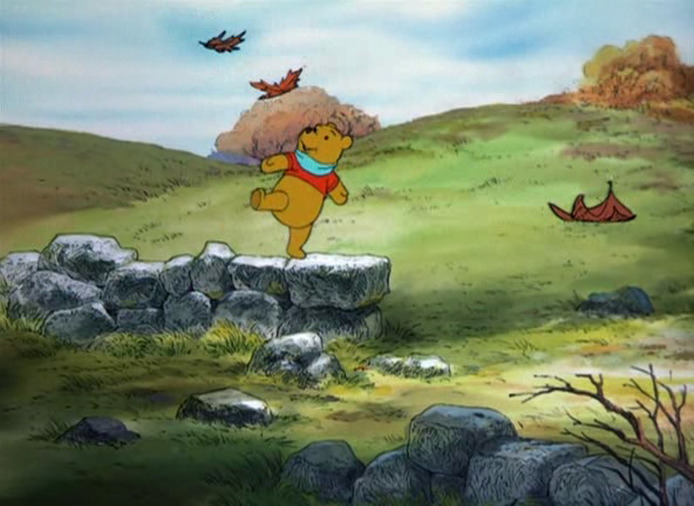
winnie-the-pooh-disneyscreencaps.com-2949

“Happy ‘Winds-Day,’ Piglet.”

On April 14, 1969, the 41st Academy Awards were held in the Dorothy Chandler Pavilion in Los Angeles, California. The Disney short film Winnie the Pooh and the Blustery Day won the Academy Award for Best Short Film, beating The House That Jack Built by the National Film Board of Canada, The Magic Pear Tree by Murakami-Wolf Films, and Windy Day by Hubley Studios. The award was given posthumously to Walt Disney, who had passed away two years before the short’s release in 1968. It is also the only Winnie the Pooh short to win an award, although Winnie the Pooh and Tigger Too would be nominated in 1974. In 1977, these two short films and Winnie the Pooh and the Honey Tree were combined into the full-length feature film The Many Adventures of Winnie the Pooh.

April 9

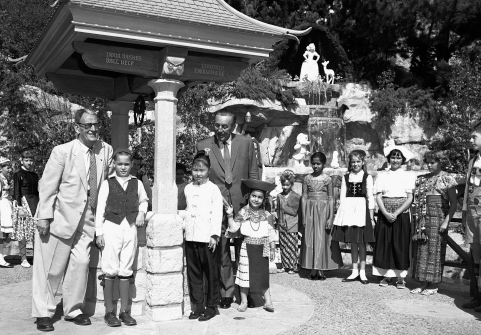
April 9, 1961 – Walt Disney Dedicates Snow White Grotto

SnowWhiteGrotto_D23

Stars from stage, screen, television and show business in general, as they visit the Park, are planning to make their contributions along with the public as they pass the Wishing Well and admire the beauty of the latest addition to the Disneyland scene.”

On April 9, 1961, Walt Disney dedicated the Snow White Grotto in Disneyland. The idea for the grotto came from a slight dilemma: Disney had received marble figures of the characters from Snow White and the Seven Dwarfs, but the statues were all of the same size. Designer John Hench came up with a smart solution of proportions, using the illusion of height and distance by placing Snow White at the top of the scene, having her stand over the other characters. When the scene is viewed from the footbridge, Snow White appears to be perfectly in proportion with the dwarfs. Also featured is the Wishing Well, seen in the opening scenes of the film, inscribed with “Your wishes will help children everywhere.” In 1983, the original voice of Snow White, Adriana Castelotti, was asked to come in and rerecord “I’m Wishing” for the New Fantasyland opening. The song is heard over the waterfall, and echoing back from the well.

April 4

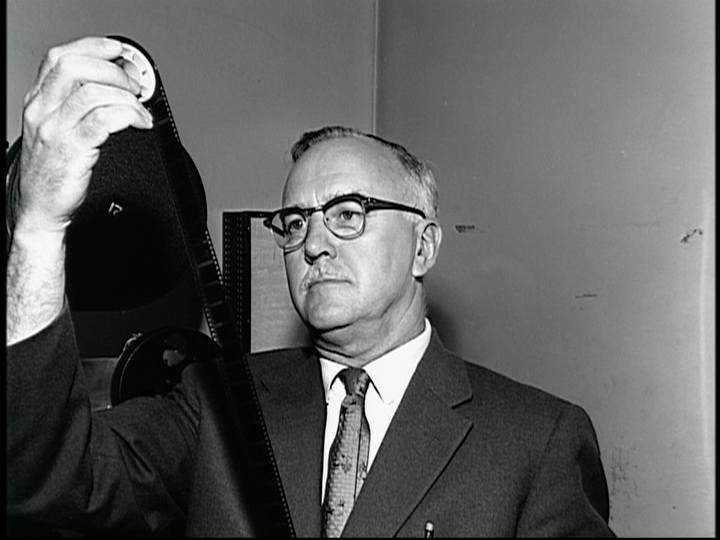
April 4, 1960 – Ub Iwerks Wins a Technical Achievement Award

vlcsnap-2013-04-03-21h40m50s240

“To Ub Iwerks of Walt Disney Prods. for the design of an improved optical printer for special effects and matte shots.”

On April 4, 1960, the 32nd Academy Awards were held at the RKO Pantages Theater in Hollywood, Califomia. Having rejoined the Disney Studios in 1940 in a technical capacity, Ub Iwerks was awarded a Class III Technical Achievement Award for the design of an improved optical printer for special effects. This printer would be adapted for the creation of the sodium traveling matte process in 1956. This traveling matte process helped revolutionize the combination of live-action and animation, using a three-strip Technicolor camera and specially designed prism, and won Ub another Technical Achievement Award at the 37th Academy Awards in 1965.

February 19

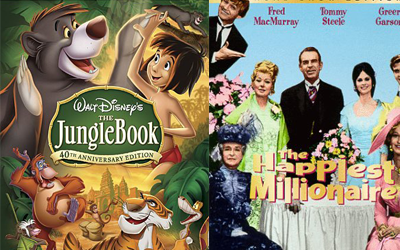
February 19, 1968 – The Jungle Book and The Happiest Millionaire are Announced as Academy Award Nominees

1_Feb19

“Look for the bare necessities, the simple bare necessities, forget about your worries and your strife.”

On February 19, 1968, the nominees for the 40th Academy Awards were announced, with Disney films receiving two: Best Original Song for “The Bare Necessities” from The Jungle Book, and Best Costume Design for Bill Thomas for The Happiest Millionaire. These were two of the last productions that Walt Disney would play an active role in before his passing in 1966. Both films would unfortunately lose in their categories.

February 9

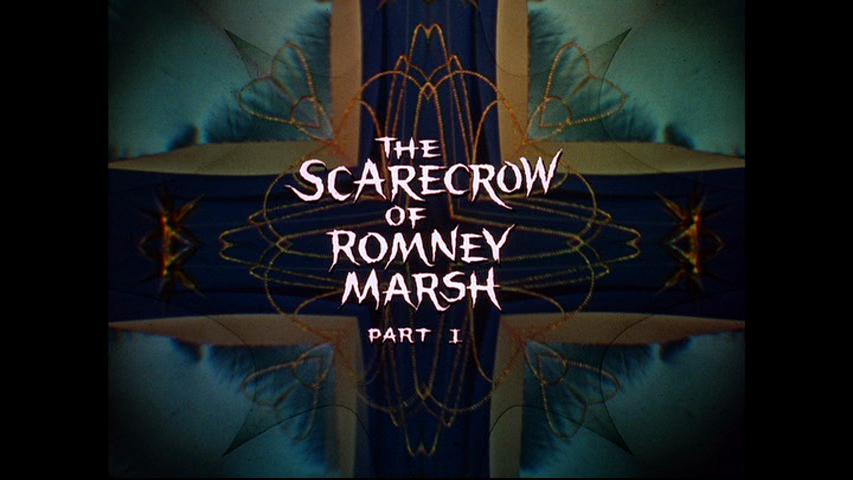
February 9, 1964 – Part One of “The Scarecrow of Romney Marsh” Airs on Walt Disney’s Wonderful World of Color

vlcsnap-2013-02-08-22h40m52s172

“Syn? That’s a strange name for a vicar, Mother.”

On February 9, 1964, the first of the three-part serial “The Scarecrow of Romney Marsh” aired on the Disney anthology, Walt Disney’s Wonderful World of Color. The serial was based on Christopher Syn by Russell Thorndike and William Buchanan, and was filmed on location in Romney Marsh and Dymchurch, England. The vicar’s church in the serial is an actual church known as St Clement’s Church in Old Romney, and Disney paid for the restoration of the entire building to make it usable for the filming. Although released in the United States as a series, it was filmed to be a full-length feature that was released as a film in Europe. The teleplay was written by Robert Westerby, and directed by James Neilson. It stars Patrick McGoohan as Dr. Syn/The Scarecrow, George Cole as Mr. Mipps, Tony Britton as Simon Bates, Michael Hordern as Thomas Bates, Geoffrey Keen as General Pugh, Kay Walsh as Mrs. Waggett, and Sean Scully as John Bates.

The episode opens with Walt Disney giving the introduction, explaining that Christopher Syn was “a real life Jekyll and Hyde,” as he says. Walt explains that Syn was a respected vicar by day, but fought for justice at night, helping provide for the poor and needy. At night, Syn would disguise himself, earning the nickname “The Scarecrow,” with only his two accomplices ever knowing who he really was.

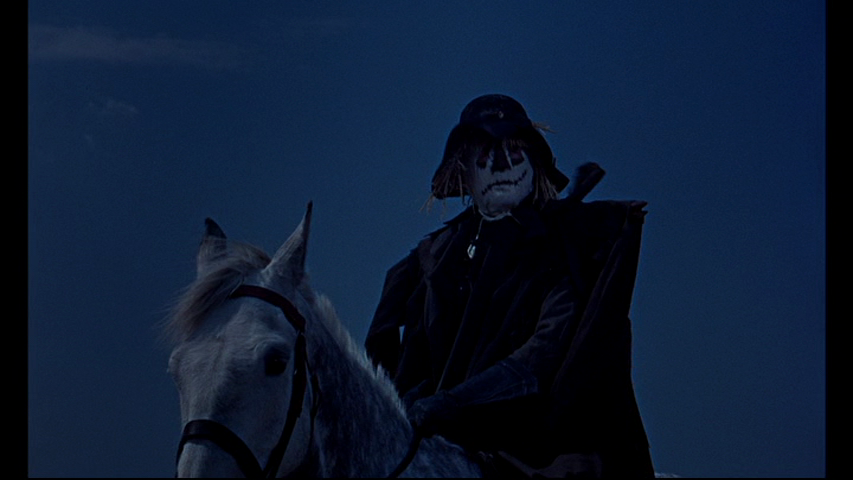
The Scarecrow surveys his men's work with the smuggling of supplies

The Scarecrow surveys his men’s work with the smuggling of supplies

The serial begins late at night, with Syn’s smugglers quickly loading up the carts under the command of the Scarecrow. A scout stationed in a nearby castle gives the warning that a patrol is moving toward the smugglers on the beach. Confronted, the Scarecrow laughs in the patrol’s faces, and escapes them after a long chase. The Scarecrow and his men enter a barn to hide, and when the patrol arrives, intent on catching them, they find no trace of the smugglers, who have carefully concealed themselves. The three men remove their disguises and make their way back to their respective homes.

The next scene shows a bishop is heading into town with General Pugh, another soldier named Brackenbury, and a weary traveler to whom the bishop has offered a ride. The General warns the bishop about the Scarecrow and his men, and the fact that the town protects them, thanks to their actions. As the bishop’s carriage passes through the town, a cane carved with a secret code is dropped as a sign for the men, to let them know when the next job will be. One of the men is rather frustrated that the Scarecrow is the only one allowed to be armed on these missions, and thinks because the rest of the men don’t know his identity, the Scarecrow doesn’t trust them. The innkeeper, Mother Hathaway, reminds him that without the Scarecrow’s generosity, they would still be as poor as mice. The men agree, and then disperse for the evening.

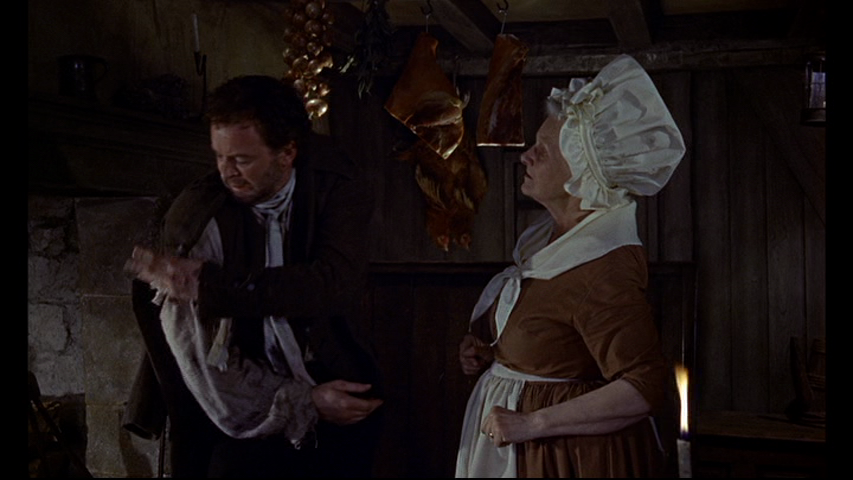
At the advice of Mother Hathaway, Simon Bates goes to find Dr. Syn, the vicar, for help and sanctuary

At the advice of Mother Hathaway, Simon Bates goes to find Dr. Syn, the vicar, for help and sanctuary

The bishop’s carriage is stopped by a small group of the King’s soldiers, who tell the passengers that they’re looking for an American prisoner who preached treason and was to be hanged in Dover, but escaped. The man the bishop gave a ride to is, in fact, the prisoner, who makes a run for it after stealing General Pugh’s plans to destroy the smugglers. The King’s soldiers give chase, shooting the man in the shoulder, but he hides in the bushes and eludes them. The prisoner makes his way to Mother Hathaway’s inn, and she helps by sending him to someone who can help him: the vicar of Dymchurch, Dr. Syn. She sings Syn’s praises to convince him to go, and the prisoner heads on his way.

Dr. Syn sits in his office with his assistant, Mr. Mipps, who questions Syn’s motives, claiming that since the town doesn’t know he’s the Scarecrow, they don’t thank him for it. Syn is just content that the people can live and support their families with what he can provide, thanks to his smuggling. Suddenly there’s a knock at his door – the prisoner has arrived, telling Syn that Mother Hathaway sent him. The prisoner introduces himself as Simon Bates, explains that he’s been sentenced to death for preaching sedition, and asks for sanctuary. Syn wants to help, but knows that they’ll both be in danger if Bates stays, so he has Mipps take Bates to Mrs. Waggett’s inn. Before he leaves, Bates hands over General Pugh’s papers to Syn, saying that he’s heard about the Scarecrow, and that the papers concern him. Syn takes the papers, and finds that troops are to be dispatched to his area to hunt the Scarecrow through any means necessary.

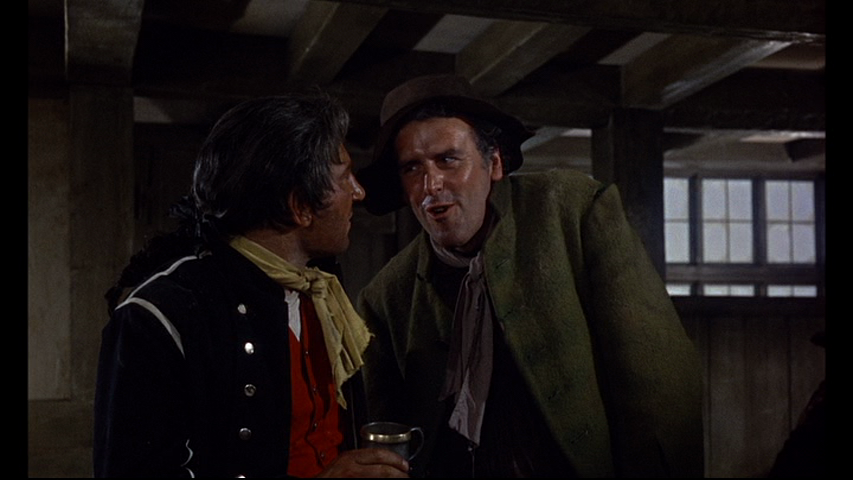
General Pugh (R) and Squire Banks do not see eye to eye, particularly with Pugh's suggested violent methods

General Pugh (R) and Squire Banks do not see eye to eye, particularly with Pugh’s suggested violent methods

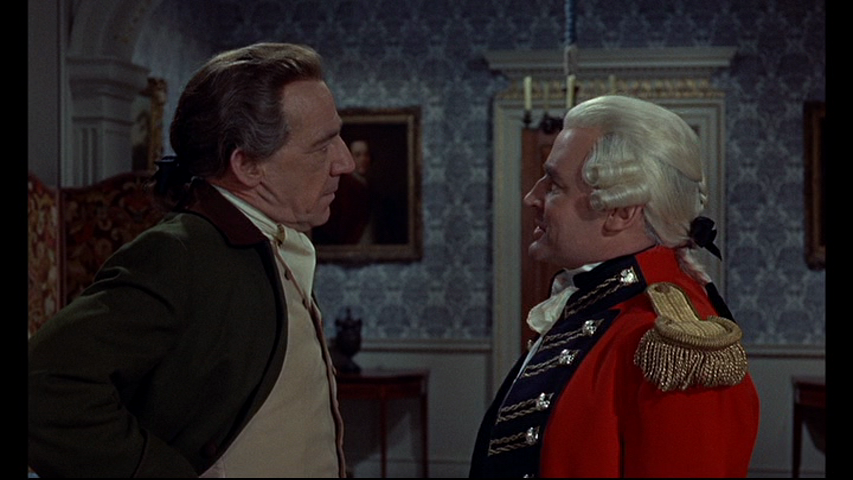
The next day, General Pugh meets with wealthy landowner Thomas Banks and Dr. Syn, with Pugh furious that these crimes keep happening in Dymchurch where Banks is the Justice of the Peace. Banks and Pugh do not get along, and Pugh declares that he will use any means necessary to eradicate the Scarecrow. Just then John Banks, Thomas’s son and Syn’s secret accomplice, appears, asking just what means Pugh intends to use. Pugh then claims that he may even target the women of the town, as the “women will talk when they start to lose their menfolk.” When Pugh mentions that the men of the town will be press-ganged into the armed forces, particularly the Navy, Thomas Banks storms out of the room; John then informs Pugh that his brother was press-ganged into the Navy.

As the press gang marches into town, the leader remarks that although Dymchurch is known as good farming country, no man is seen working on his land, even though it’s a Wednesday, a normal workday. They head to the church, where everyone is town is gathered. Mr. Mipps, who has been on the lookout, runs down the watchtower and slips the news to Syn under the pretense of singing the hymn. Syn then begins his sermon, telling the congregation that this mid-week sermon marks the two-day public holiday granted by Banks in honor of the King’s birthday. Just then, one of the Scarecrow’s accomplices runs into the church and throws a note wrapped around a knife at the psalm board. Syn reads the note that has been sent by the Scarecrow, ordering every able-bodied man to leave town immediately and hide in the marshes as the naval press-gang is on its way to take every man they can find. The moment he finishes reading, all of the men flee from the church and run into hiding. When the press gang arrives at the church, they are confused about why there are only women, children, and the elderly in the pews. They harass the members of the church, and when Banks demands that they stop, the leader informs him that they have a free hand with this charge, with orders from Pugh himself, then demands information about the Scarecrow. When Syn reveals that he knows who the leader is – Petty Officer Stubbard – Stubbard smugly informs Syn that he’ll be “dropping anchor” in the town for a while. Syn then sends Mipps to follow the men and keep his eyes on them.

Mr. Mipps, in disguise, pretends that he can help the press-gang capture the Scarecrow

Mr. Mipps, in disguise, pretends that he can help the press-gang capture the Scarecrow

The press gang decides to stay in an inn known as The Silent Woman, run by Mrs. Waggett, who is less than thrilled about their antics. When Stubbard gets fresh with her, she threatens him with a cleaver, and the gang then leaves her alone. As a disguised Mipps drops in and tells Stubbard that there are no able-bodied men in Dymchruch, a young man bursts in frantically, asking Waggett for help as his wife has just gone into labor. The press gang decides to capture the young man and take him. Mrs. Waggett is horrified, but Mipps tells her quietly to leave it to him and to go to the young man’s wife. Mipps pretends that he wants to help the press gang catch the Scarecrow, and lets them know where the Scarecrow will be Thursday. Syn is not thrilled when he finds out about Mipps’ plan to ambush the soldiers, but they still plan to meet Thursday evening, with Syn quickly forming a new plan.

When Thursday night comes, the press gang lies in wait and is surprised and captured by the Scarecrow and his men. The Scarecrow orders the gang blindfolded, and they are taken to a nearby barn, where a young boy is set free to send a letter to General Pugh, while the other men are held captive. Pugh reads the letter and is furious, claiming that if any of the men from the press gang are killed, he’ll hang triple the number of  Dymchurch men. Suddenly, Pugh agrees to make an exchange, but has a plan to catch the Scarecrow. As Scarecrow prepares for the exchange, Mipps appears with Simon Bates, who offered his help after he overheard Mipps’ conversation at the inn. Although initially angry, the Scarecrow decides to accept Bates’ help. As Pugh waits with his men on Smuggler’s Beach, the soldier Brackenbury doesn’t react well to Pugh’s unnecessary violence, ordering that the prisoner be untied. The Scarecrow arrives, with the young man let go, and Pugh’s men ready to attack. Pugh doesn’t know that the Scarecrow’s men are ready to retaliate with smoke bombs, rendering Pugh’s men helpless. When Pugh’s men bring aboard the supposed contraband the Scarecrow was after, they are surprised to see that it is actually the press gang, tied up and placed in barrels. They hear the Scarecrow’s cackle before he rides away.

January 28

January 28, 1965 – The Live-Action Feature Film Those Calloways is Released to Theaters
TC_1

“You ask me, those Calloways don’t hold to anything – they’re crazy, the whole lot of ‘em.”

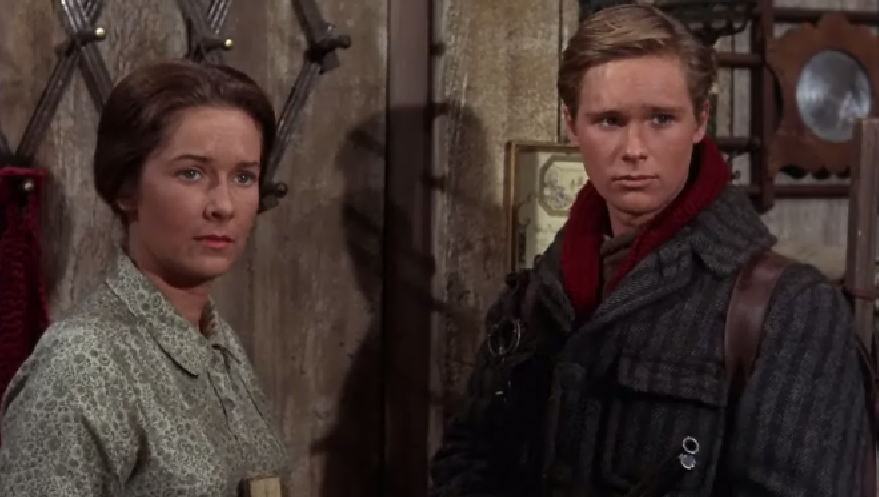
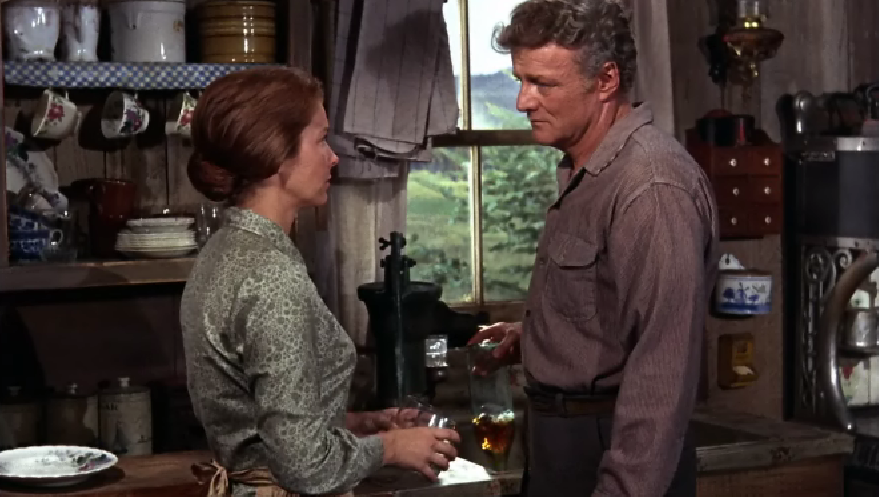
On January 28, 1965, the live-action feature film Those Calloways was released to theaters. The film was based on the book Swiftwater by Paul Annixter. The film is set in Vermont, but was filmed at the Walt Disney Studios. To match the fall foliage of Vermont, 280,000 hand-painted leaves were created to imitate Vermont fall foliage. The two songs in the film were written by the songwriting team the Sherman Brothers, and the score was composed by legendary composer Max Steiner, known for his scoring of Gone With the Wind. The screenplay was written by Louis Pelletier, ­with the film directed by Norman Tokar. It stars Brian Keith as Cam Calloway, Vera Miles as Liddy Calloway, Brandon de Wilde as Bucky Calloway, Walter Brennan as Alf Simes, Ed Wynn as Ed Parker, Philip Abbot as Dell Fraser, Tom Skerritt as Whit Turner, John Larkin as Jim Mellott, and Linda Evans as Bridie Mellott.

The film begins with Liddy Calloway scaring a bear away from her garbage, when she looks up to see the geese flying high in the sky. Meanwhile, her husband Cam is packing up his traps, when he also spots the geese flying by. In town, everyone is entranced by the geese flying by, with some members of the town already beginning to shoot. Bucky Calloway, angered about the shooting, goes to pull away one of the shotguns, and ends up in a fight with Whit, one of the shooters, while the town watches. Bridie Mellott, Bucky’s friend, tries to stop this, but her father tells her that the boys need to settle this on their own, one way or another. Poor Bucky loses the fight, and Whit walks away as the victor as the townsfolk disburse. A small group of men discuss the Calloways: a small family that lives in the backwoods and think it’s cruel to shoot wild geese. Cam Calloway was raised by Indians, with some of the townspeople think the whole family shouldn’t be around “respectable people.”
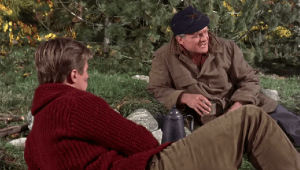
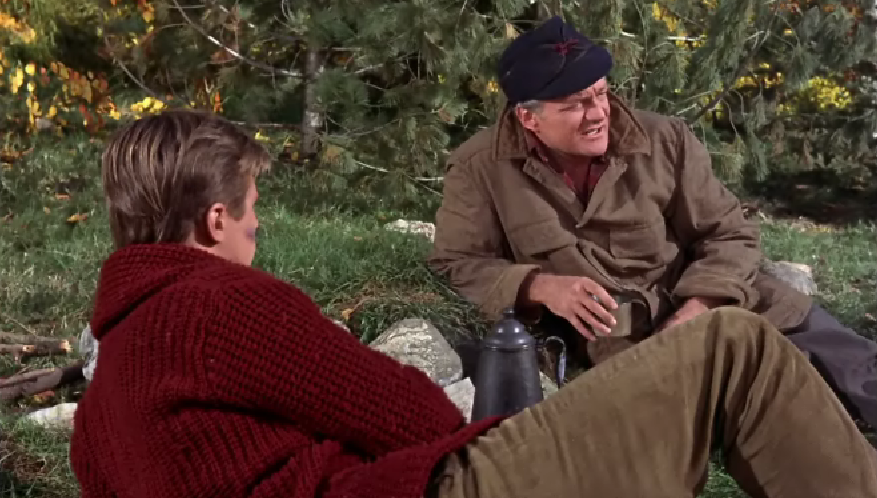
Bucky and Cam take a break from their lines to rest and talk about Cam's dream of a geese sanctuary

Bucky and Cam take a break from their lines to rest and talk about Cam’s dream of a geese sanctuary

Bucky finds his father near the lake as he walks home, watching the geese land in the water. The two sit to talk, and Cam tells Bucky of his plan to buy the land and lake for $1100, hoping to turn it into a sanctuary for the geese. He plans to attract the geese by planting corn, which is an old Indian trick for attracting geese. As Bucky and Cam find their way home, the bear from the morning comes back, and Bucky recognizes him as his friend Keg, and the two wrestle while Cam and Liddy talk. That night, Cam tells Liddy that he has plans to take Bucky with him on the trapping lines. Liddy is not fond of the idea, especially when Cam can’t make enough to pay back the money for their land, but she eventually goes along with the idea.

Later, Bridie stops by to drop off some packages, and tells Bucky that they should make better use of the land. The two tease each other playfully, although neither will admit the growing attraction between the childhood friends. The book Bucky orders is The Manly Art of Self Defense, and takes to practicing in the shed, while his father watches. Cam then offers to help Bucky learn how to spar. Bucky’s moves are rather technical, but effective, as he manages to give Cam a good punch in the jaw, followed by another one. However, the two begin some lighthearted roughhousing, and quickly finish up the chores to start on the line the next morning. Cam tells Bucky that they’re heading to Jack Pine Valley, an area that’s never been tracked before, as it’s considered a place full of bad spirits. As they travel, they run into Cam’s old friend Nigosh, who warns them to be careful of Jack Pine Valley. As they reach the valley, Bucky nearly falls off a cliff, and Cam breaks his leg after he falls off a log.
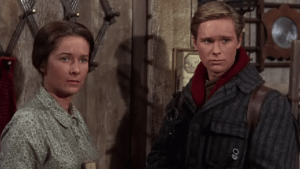
Bucky sets off to check the line while Cam is stuck inside with a broken leg

Bucky sets off to check the line while Cam is stuck inside with a broken leg

Back in town, everyone discusses the Calloway’s situation, as it will be rather hard for the family this winter with Cam laid up. Dell Fraser, a traveling salesman, tells the other men in town of his idea to turn the town into a place for goose hunters, being rather relentless with his idea. Winter arrives, and Bucky decides to head back to the valley to trap. Cam warns Bucky not to go to the valley, convinced that it is a bad luck place, but Bucky is determined to provide for his family. He looks at his lines, and notices they’ve been tampered with by a wolverine. Angered, he decides to hunt down the wolverine instead of heading home. Bucky ties up his dog Sounder as he searches for the wolverine, but Sounder breaks free and fights the wild animal. Bucky tries to save his dog by pushing down some branches, but loses his shotgun in the process and is attacked himself while Sounder is caught under a heavy branch. Bucky is finally able to kill the wolverine and save his dog.

After Bucky’s first hunting experience, he is able to keep bringing home several pelts for his family. Alf, the town gossip, stops by to visit the Calloways, informing them of the new plans to turn the town into a hunters paradise. Liddy informs Alf of Cam’s idea of bringing the geese to town every year, and Alf suggests they petition the government to create a sanctuary for the geese. Bucky comes home with some new pelts, and come Christmas time, Bucky has caught enough ermine to create a cape for his mother. Bridie helps Bucky to create the cape for his mother, although the two of them still tease each other, with Bridie frustrated that Bucky doesn’t see her as grown-up. On Christmas Eve, Bucky and Cam ask Liddy to open her package, and she begins to cry with joy upon seeing the cape. The Mellotts arrive for the Christmas celebrations, and the men decide to have a glass of spiked cider before Bridie appears in a beautiful new dress. Bucky is shocked to see Bridie looking so grown up, and as they sing Christmas carols, he reaches for her hand, while the two exchange nervous glances.
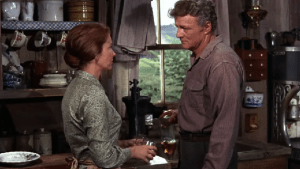
Although Cam is beaten down by circumstances, Liddy gives him the idea to build the house on the sanctuary land, and Cam agrees

Although Cam is beaten down by circumstances, Liddy gives him the idea to build the house on the sanctuary land, and Cam agrees

A week later, Bucky is still singing the Christmas carol he sang with Bridie, and decides to stop by the Mellotts to see her. Liddy and Cam talk about when they first started courting twenty-one years prior, leading to another sweet moment between the couple, where Cam promises never to leave Liddy. As Bucky stops by the Mellotts, he finds that Bridie is being courted by Whit, and leaves before anyone notices. As spring approaches, Bucky and Cam bring the pelts to Mellott’s trading post to sell the pelts; unfortunately, the market for furs bottomed out, and the $1800 they’d been hoping for was only $450. When Liddy claims that at least they have enough money for their house, Cam informs her that he used the $400 to buy the land for the geese sanctuary. Furious, she storms away and shuts herself in the bedroom. When spring arrives, their landlord, Doane Shattuck, arrives, and without the money to pay him, he has no choice but to evict them. Although Cam offers the land he’s already bought, Doane refuses to accept. Cam informs him they’ll be out first thing in the morning, and further insults him by saying that Doane’s only friends were the coins jingling around in his pocket. Liddy then gets the idea that they should just build their house on the land he now owns, and Cam agrees.

When Cam begins the building of the cabin, Dell Fraser stops by, trying to trick Cam into turning the sanctuary into a hunter’s paradise, offering a few hundred dollars from his boss, E.J. Fletcher. The Calloways set their plan of bringing the geese to the land by planting corn into action, and are surprised to see the members of the town arriving to help build the cabin for the family. With everyone working diligently, the house is quickly finished and everyone celebrates with a party. Bucky and Bridie are set up by the members of the town and sent outside to talk. As they go for a walk, Bucky is still sore over seeing her with Whit, although she is unaware that he saw her. She asks him what she did wrong and why he won’t speak to her, but he won’t give her a straight answer. Finally, during a heated argument, he kisses her, and she walks away horrified, informing him that she isn’t interested in anyone but him, but after this incident, she isn’t quite sure, and runs away crying.
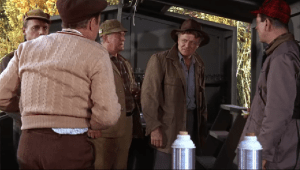
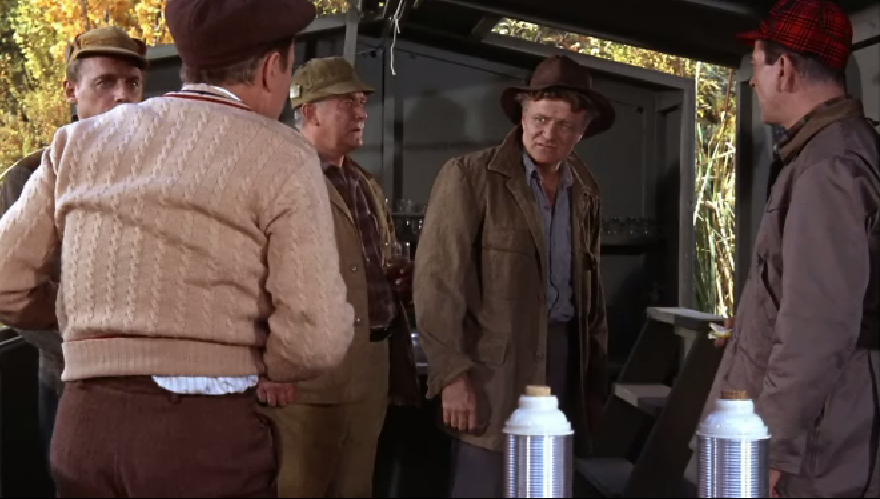
Cam confronts the men in the marsh, angered to be swindled by hunters

Cam confronts the men in the marsh, angered to be swindled by hunters

The corn is seen growing well in the marsh a while later. In town, Fraser and his boss Fletcher head to the marsh with their hunting equipment, hoping to convince Cam to sell. Bucky heads to the trading post, where he and Bridie have a tense conversation. Whit starts to goad Bucky, and Bucky finds that Cam has been swindled by Fraser. As Whit continues to goad Bucky, Bucky starts another fight, but is able to beat Whit this time as the whole town watches. Bridie sits with Bucky after the fight and offers to drive him home in the rig. At the marsh, Fraser and Fletcher run into Cam, who is furious that they’re on his land hoping to create a hunter’s paradise. Cam warns them that the geese will not come down this year, and later that night, he burns up the entire crop of corn. Liddy and Bucky try and stop him, but are unable to. Meanwhile, a town meeting is being held about the hunters coming in, with Alf saying that the government should buy the land and turn it into a sanctuary for the geese. Fraser argues that his way means that the money will keep rolling in for everyone, and the meeting turns into a fight. The next morning, as the geese fly overhead, Cam wakes up to hear the sounds of gunshots. He angrily finds the businessmen in his marsh and pulls away their guns, accidentally getting shot in the process. That evening, everyone sits tensely in the house, hoping that Cam will make it through this ordeal. Bridie stays with Bucky, while her parents head into town for another meeting about this matter. Everyone is rather rattled at the news of Cam’s shooting, and spend a moment at the meeting in prayer.
Liddy keeps vigil at Cam’s bedside, and the doctor takes off for the night, telling Cam that he’s not sure if Cam will go one way or the other. The next morning, hundreds of geese are seen flying in the sky and landing in the lake, eating whatever’s left of the corn. Cam wakes to the sound of the geese, and reaches for Liddy’s hand. Everyone is relieved that Cam has made it through, and as Bucky and Bridie go to check on the geese, Alf arrives to inform him that the entire town has signed a petition to make the land a sanctuary for the geese.