RSS Feed

June 24

June 24, 1949 – The Pluto Short Film Bubble Bee is Released to Theaters

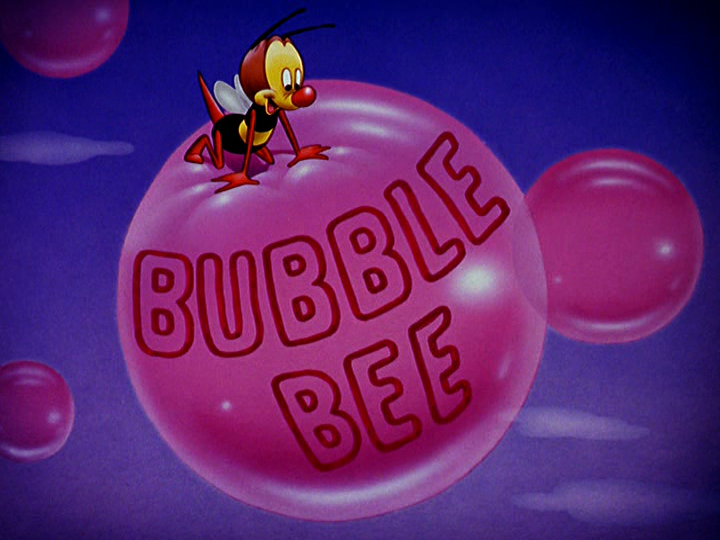
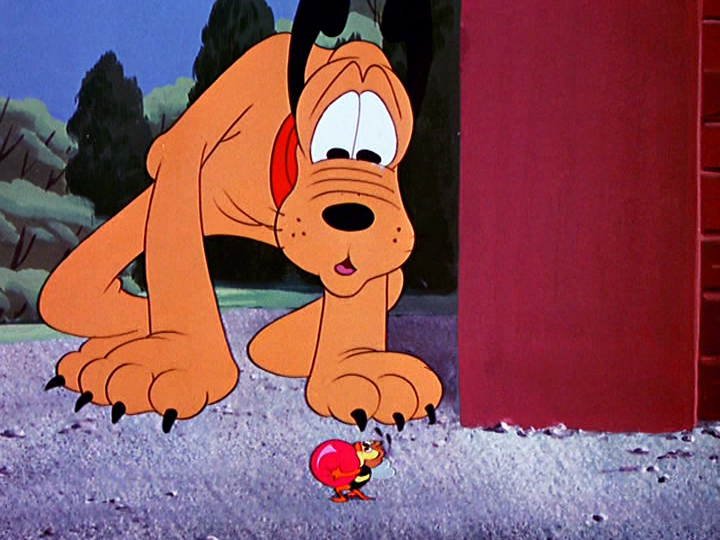
On June 24, 1949, the Pluto short film Bubble Bee was released to theaters. It was directed by Charles Nichols, with story by Milt Schaffer and Eric Gurney. The short features Spike the Bee, who usually tormented Donald Duck in various short films.

Pluto is playing with a ball in the park, when the ball lands in a patch of flowers. As Pluto leaps in after the ball, it bounces out and rolls down a path. Pluto looks around for his toy, and spies it on the top of a tall hedge. He leaps after it, only to find that he’s leapt on a bubble gum machine that looks like the design of his ball. Smelling the sweet scent of gum, Pluto decides he wants some. He looks around sneakily, then tries to shake some out of the machine.

Pluto sees Spike successfully rig the machine to retrieve a gumball

As he tries and fails with many methods to get the gum, Spike the Bee appears, buzzing around the machine, and Pluto backs away in trepidation. He watches as Spike easily rigs the machine to produce a gumball. As Spike flies away, he is weighed down by his heavy prize, and Pluto is able to follow him closely. Pluto watches as Spike throws the gumball in his beehive and flies away. With a devilish grin, Pluto tries to bat the gumball from the hive, only to knock the hive down. It breaks open, revealing about twenty pieces of gum hidden inside.

Pluto looks hungrily at his prize, and greedily laps up each piece and begins to chew them all at once. When he tries to open his mouth, the chewed gum keeps his mouth closed, and he is unable to swallow it. He continues to chew, and it rather surprised when a bubble comes out of his mouth. When he sneezes, bubbles to blow through his teeth; they all pop and cover his face with gum, but he is able to get the gum back in his mouth and keeps chewing. He then blows out a bubble, lets it fly in the air, and plays with it as a new toy.

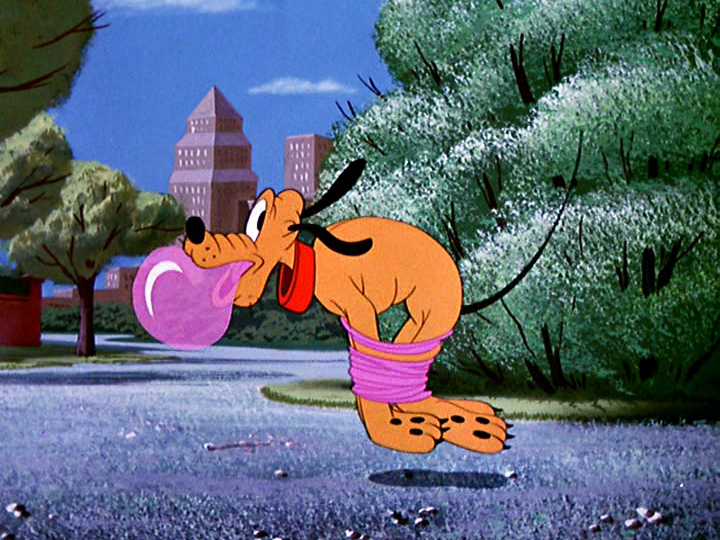
Spike uses the gum that trapped him as a tool to trap Pluto, wrapping him up in strands of chewed gum

Meanwhile, Spike returns with another gumball, only to discover that his house is gone. He finds the ruins on the ground, as well as the footprints of the guilty party, and follows the tracks. He spies Pluto blowing bubbles, and flies after the dog in a rage, kicking him. As Pluto tries to bark, he ends up blowing another bubble, trapping Spike in the gum. Pluto lets the bubble go free, then pops it, watching in amusement as the bee is helpless in midair. The gum lands on Pluto’s nose, and Spike uses it as a tool to attack the dog, wrapping the dog’s legs in chewed gum. Spike continues chasing Pluto, and Pluto ends up accidentally swallowing the bug, who is trapped in another gum bubble. Exhausted from their chase, Spike finally gets his in the end, stinging Pluto and sending him yelping from the park.

June 23

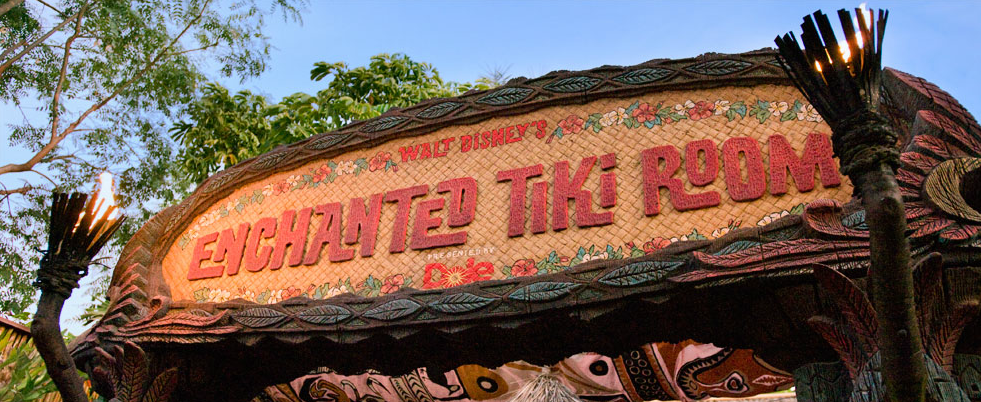
June 23, 1963 – The Enchanted Tiki Room Opens in Adventureland at Disneyland

Image credit: Official Disneyland Website

 “…All the birds sing words, and the flowers croon, in the Tiki Tiki Tiki Tiki Tiki Room.”

 On June 23, 1963, the Enchanted Tiki Room attraction opened in Disneyland’s Adventureland. The attraction, the first to feature Audio-Animatronics, was designed by WED Enterprises (now known as Walt Disney Imagineering). It was first sponsored by United Airlines, and passed to the Dole Food Company in 1976. Dole continues to host the attraction to this day.

The hosts of the show are four birds of different nationalities: the Mexican bird, Jose (voiced by Wally Boag); the Irish bird, Michael (Fulton Burley); the French bird, Pierre (Ernie Newton); and the German bird, Fritz (Thurl Ravenscroft). There are more than 150 Audio-Animatronic characters—including birds, flowers, and Tiki statues–that serenade the audience during the 15-minute show.

The attraction was first conceived as a dinner show, but the idea was shelved so that more guests could experience the room. The Tiki Room was originally controlled by an underground room with floor-to-ceiling computers, as seen in the Disneyland Tenth Anniversary Special. The attraction was closed for renovations in 2004, opening again in March 2005 for the park’s 50th anniversary, with new Audio-Animatronic figures replacing the old ones, and a new infrastructure designed by the 21st century Imagineers. The attraction is still as popular as ever, and has been replicated at Walt Disney World and Tokyo Disneyland.

June 22

June 22, 1970 – Dave Smith Hired as the First Disney Archivist

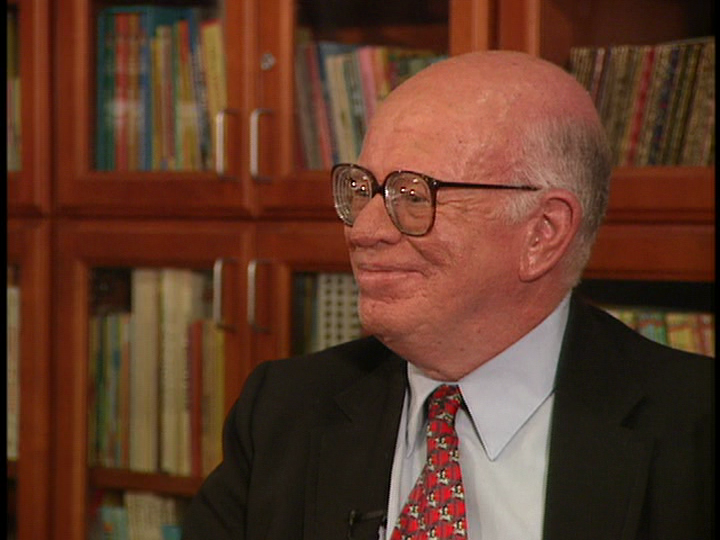
“I wrote a proposal to set up the Walt Disney Archives, offered my services, and soon, they were accepted.” – Dave Smith

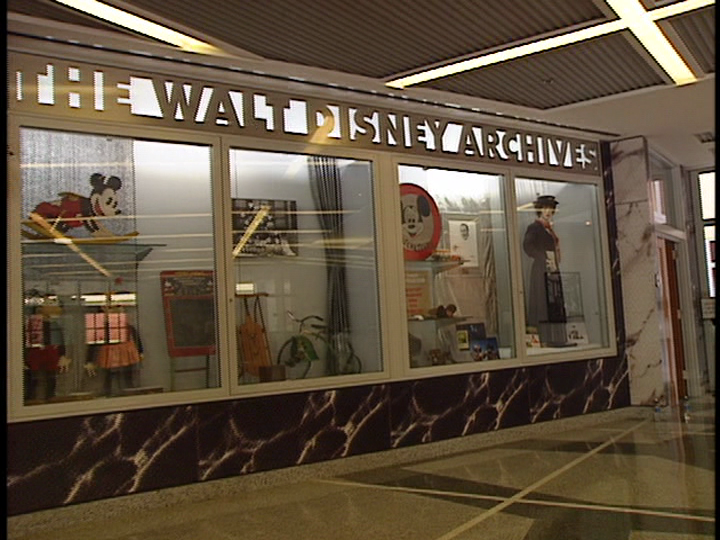
On June 22, 1970, Dave Smith was the first Disney Archivist hired to set up the Walt Disney Archives. The archives were conceived after Walt’s death, when people began to realize that the knowledge and history the current staff had would soon disappear and nothing was being done to preserve the history. Smith was then working at UCLA, compiling a Disney bibliography, which he calls “the right place at the right time.” He began to collect the oldest materials that were in the most danger of being lost, as well as gathering materials that were scattered all around the company. One of these places where many pieces of work were stored was known as the Morgue. After an animated film was completed, the drawings, cels, and other pieces of work had to be placed somewhere, so they were sent to the rooms beneath the Ink & Paint building. In this case, morgue was not a derogatory term, but was borrowed from the newspaper term where artists could go study “back issues” or old artistic products for inspiration.


The Archives were built to help the future employees of the Walt Disney Company keep in touch with its roots. “It did not take long for…employees to realize that they could call the Archives and quickly get answers to whatever questions they might have about Disney in general or about the legacy of their own department,” Smith wrote in an article for the D23 publication, which is sponsored by the Archives. Historical items continue to make their way to the archives, with items from retired attractions in the park to props from recent live action films, to any pieces of work from animated films making their way into the collection. Smith worked for the archives for forty years, retiring on June 24, 2010. Smith still works with the D23 publication, answering a variety of questions from Disney fans.

June 21

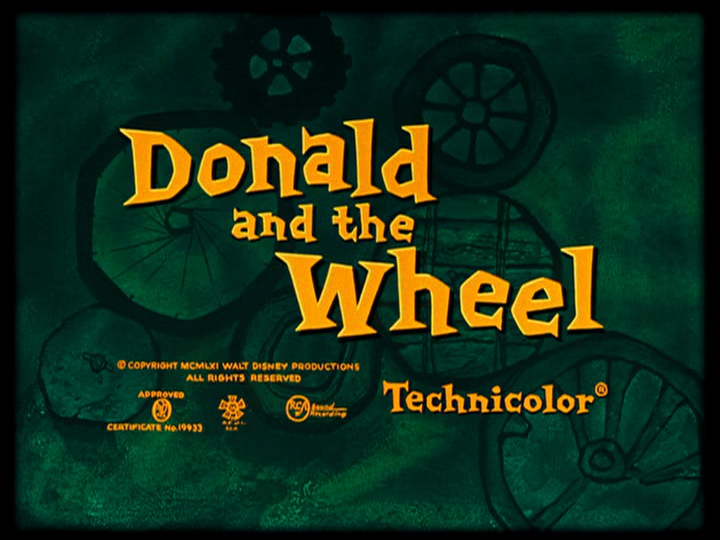
June 21, 1961 – The Donald Duck Short Film Donald and the Wheel is Released to Theaters

“Well, frost me, Poppa, can it be your intention, to bat your choppers over nothing more than a wheel? Your brain is all tied up in a sling to think a wheel is such a great thing.”

On June 21, 1961, the Donald Duck short Donald and the Wheel was released to theaters. The story was written by Bill Berg, with songs and rhymes by Mel Leven, music by Buddy Baker, and direction by Hamilton S. Luske. It stars the vocal talents of The Mellomen (Bill Cole, Bill Lee, Thurl Ravenscroft, and Max Smith), with Ravenscroft and Smith as the father and Junior, and Clarence Nash as the voice of Donald Duck.

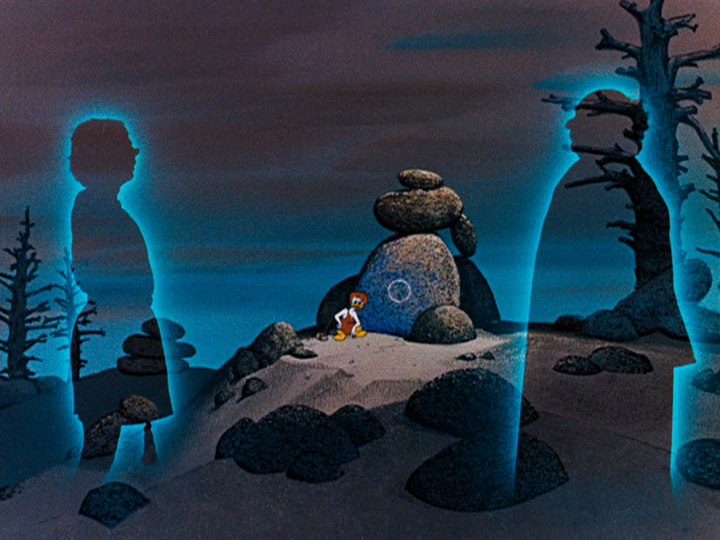
This educational short begins with two “spirits of progress” watching a piece of wood rolling around like a wheel. Junior, the younger of the spirits, asks his dad why he’s so impressed with the wheel. His father claims it to be the greatest invention of all time, to which Junior scoffs. When his father challenges him to name something better than the wheel, Junior accepts the challenge, but every invention he names is only possible thanks to the wheel. The father takes his son back in history to meet the inventor of the wheel.

The Spirits of Progress start to tell Caveman Donald about the great invention of the wheel

Back in the caveman age, we see a prehistoric Donald Duck, who, after a run-in with a tiger, is inspired to create the wheel. The spirits try to explain to Donald what a wheel is used for, but Donald seems to not be able to understand. Donald finally asks them who they are, and they explain to him that they are the “spirits of progress,” there to help him with his great invention. The first example they give him is attaching two wheels to his sled, making it easier for him to cart around.

The song at that point goes through the evolution of the wheel, with Donald also donning the attire of each time period being sung about. Steam is soon added to the idea of the wheel, with trains and automobiles lauded in song, and Donald involved in comic situations with each passing period. Finally, after a massive pile-up on the highway, Donald angrily declares he’d rather walk.

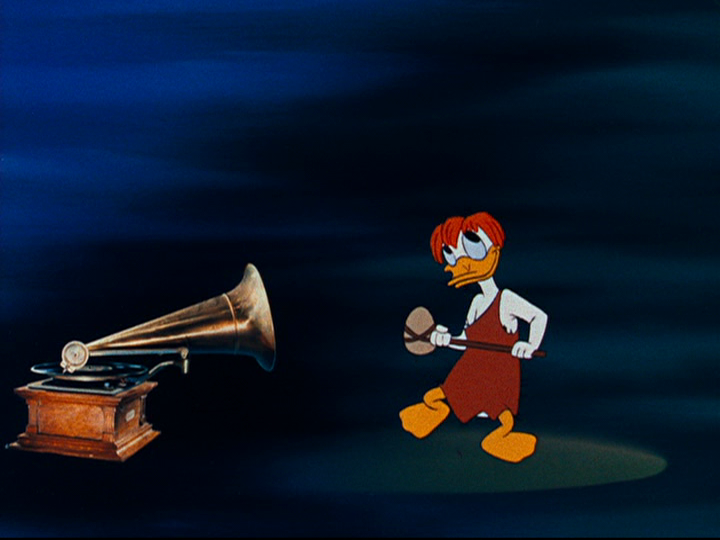
Caveman Donald dances to the music from the gramophone, a more “practical” example of the use of wheels

They go back to Donald’s time, trying to take another approach with how important the wheel is. When they try to explain that the world is round, Donald insists that the world is flat. Junior takes over this time, trying to explain the rotation of the Earth, the moon, and all the planets in the solar system. The demonstration continues with gears to show how wheels keep things working. For a more “practical” example, they begin with a music box, moving to the gramophone, then the jukebox, which features Donald dancing with a live-action dancer.

The spirits, however, push a little too hard with how important the wheel will be, showing wheels in everything he will use in his day. When they claim that he’s about to create a great invention, Donald tells them “Oh, no! I’m not going to be responsible for that!” The spirits are consoled with the fact that although Donald didn’t invent the wheel, someone eventually did.

June 20

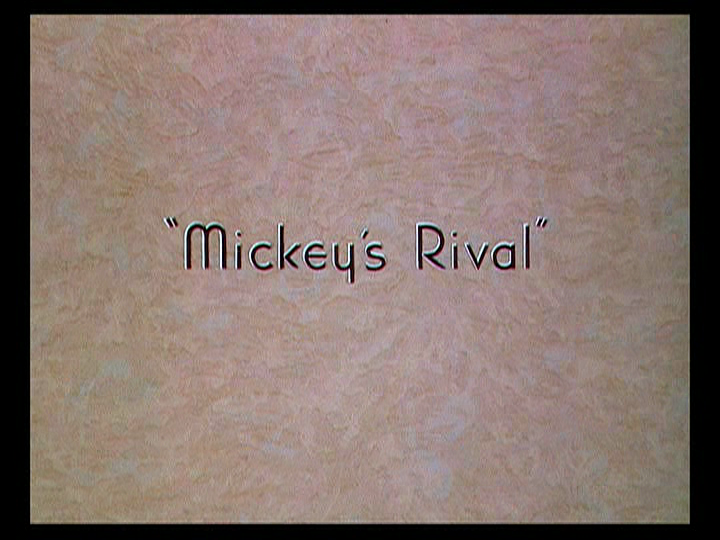
June 20, 1936 – The Mickey Mouse Short Film Mickey’s Rival Premieres in Theaters

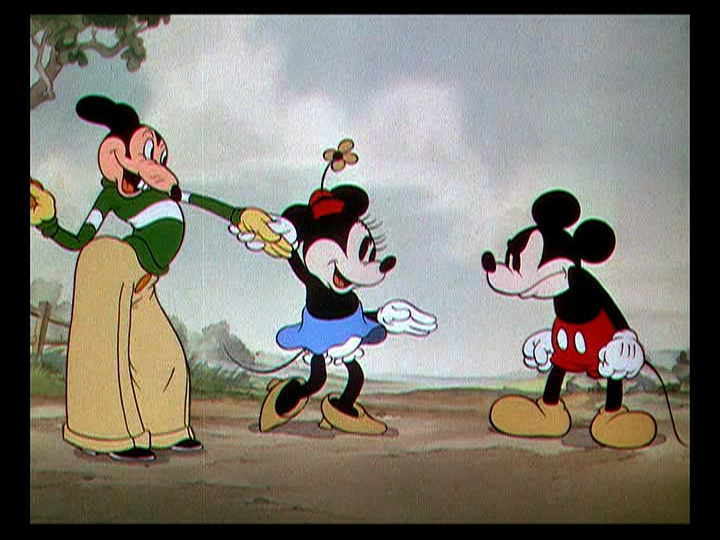
“Mickey, I want you to meet Mortimer. He’s a perfect dream!”

On June 20, 1936, the Mickey Mouse short film Mickey’s Rival was released to theaters. The short was directed by Wilfred Jackson, and starred Walt Disney as the voice of Mickey and Marcellite Garner as the voice of Minnie. Oddly enough, Mortimer was the first name suggested for the character of Mickey Mouse, before Walt’s wife Lillian suggested the change to Mickey.

Mickey and Minnie are setting up a picnic, when something zooms down the country road, blowing away everything in its path, including Mickey and the picnic. As the blur slows down, we see that it’s a mouse in a car, and the mouse calls out to Minnie, calling her his “old sweetie.” He quickly reverses, crushing Mickey’s car into a tree, climbs out, and jauntily makes his way over to Minnie.

Minnie, charmed by her former flame, introduces him to Mickey

Minnie smiles and gives a fond hello to her old flame, Mortimer Mouse, who seems to be charming her once again. Minnie introduces him to Mickey, who is not charmed in the slightest, and is rather annoyed at this visitor. When Mortimer gives Mickey his hand to shake, Mickey is not amused to see that he’s fallen victim to a practical joke, as the arm he was shaking was a fake one Mortimer stuffed up his sleeve. Mortimer continues to play pranks on Mickey, with Mickey getting more and more frustrated. Mickey’s car is also experiencing some bullying by Mortimer’s car, and leaps away in fright when Mortimer’s car honks angrily.

Minnie and Mickey continue their picnic, with Mortimer as the guest, although Mickey isn’t too pleased with the situation, especially as Minnie begins to feed Mortimer. Mortimer makes a quick meal of Mickey’s food, then spots a bull in a nearby pen. He declares that he will fight the bull in Minnie’s honor, grabbing the red picnic blanket and shoving Mickey nose-first into his cup of coffee. Mortimer stands outside the pen and waves the blanket, with the bull charging head-first into the fence.

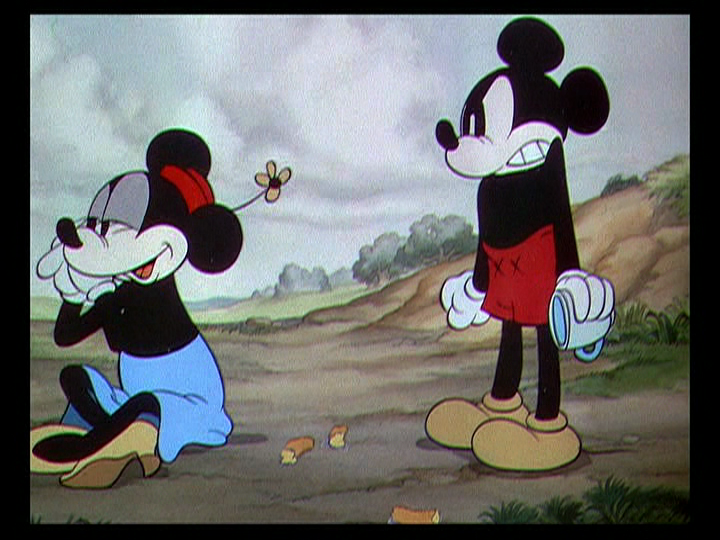
Mickey is not amused by Mortimer’s antics, nor is he pleased by Minnie’s swooning

As Mortimer continues to taunt the bull, Minnie turns to Mickey and asks if Mortimer isn’t just swell, to which Mickey sarcastically retorts that the mouse is a scream before breaking his mug and walking away. Minnie replies that he’s just jealous, and continues to cheer Mortimer on while Mickey walks off and pouts. Mortimer, however, doesn’t realize that the bullpen’s gate has been left open; when he goes to taunt the bull again, the bull rushes straight after him, and Mortimer makes a run for it into his car and speeds away as fast as he can, leaving Minnie draped in the red blanket as the bull charges for her.

When Mickey sees Minnie in danger, he runs after the bull as fast as possible and stops him, while Minnie scrambles up a tree. As the bull charges again, he knocks Minnie from her perch, but Mickey distracts the creature while Minnie escapes again. Mickey taunts the bull, and his car eventually comes to the rescue, driving the bull away. The couple are finally able to escape in the car, but Mickey is still fuming about Mortimer. He asks Minnie if she still thinks Mortimer is funny, to which she replies with a firm “No.” The two are happy together once again as they drive back home.

June 19

June 19, 1998 – The 36th Animated Feature, Mulan, is Released to Theaters
“A single grain of rice can tip the scale. One man may mean the difference between victory and defeat.”

On June 19, 1998, the animated feature Mulan was released to theaters. The story was based on a 2,000-year-old Chinese folktale, and a select group of Disney artistic supervisors spent a three-week trip in China to study the culture and landscape. It was the first feature film to be predominantly produced at the Disney Feature Animation Studio in Walt Disney World, Florida. The film was directed by Barry Cook and Tony Bancroft, and stars Ming-Na Wen as Mulan, with Lea Salonga providing Mulan’s singing voice, B.D. Wong as Shang, Donny Osmond as Shang’s singing voice, Eddie Murphy as Mushu, Miguel Ferrer as Shan-Yu, and Harvey Fierstein as Yao. The film is also notable for its casting choices overseas, namely Jackie Chan playing the role of Shang in the Chinese version.

The movie begins with an attack on the Great Wall of China by the Hun Army. One brave solider lights the signal, then tells Shan-Yu, head of the Hun Army, “Now all of China knows you’re here.” Shan-Yu smiles evilly, takes the flag of the Emperor, burns it, and says simply, “Perfect.” The Emperor declares that troops are needed to protect his people, and sends out a message for new recruits. Mulan, the main character, is then seen writing words on her arm while eating her breakfast before realizing she’s late for her morning chores. Her father is seen praying to the ancestors to help Mulan impress the matchmaker.
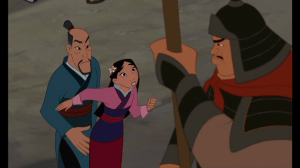
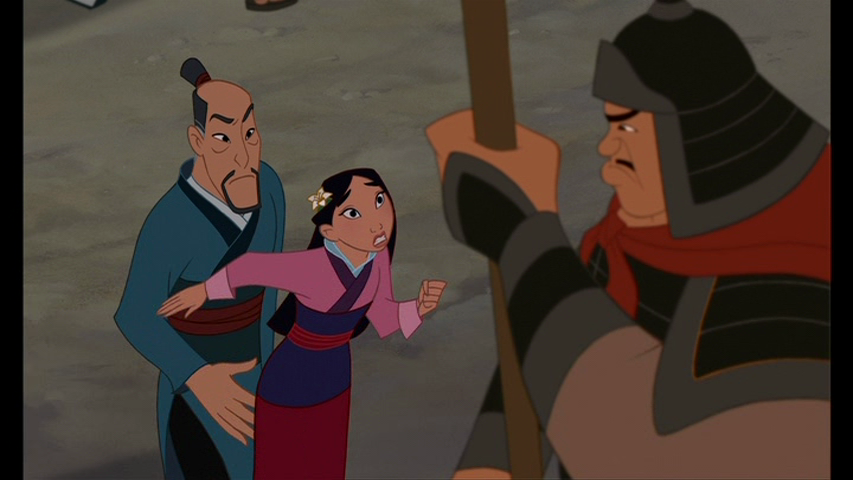
Mulan steps forward, begging the Imperial Army to spare her injured father

Mulan hurries into town, with her mother watching anxiously for her arrival. When Mulan arrives, there’s a great many things that need to be done to get her ready to see the matchmaker. She’s rather nervous, and worried about bringing her family honor. Unfortunately, Mulan starts off on the wrong foot with the matchmaker, and she only stumbles into more problems, concluding with her setting the matchmaker on fire. The matchmaker declares, in front of the entire village, that Mulan will never bring her family honor. At home, her father cheers her up by letting her know that the late-blooming blossom will be the most beautiful of them all. Soon after, the Emperor’s declaration that one man from every family must serve in the Imperial Army is announced, and Mulan’s father, who was injured the last time the Emperor needed soldiers, decides to go to battle. Mulan shames her father by asking for her father to be spared. Knowing her father will never survive if he goes, Mulan steals his armor and takes his place, riding off to the Imperial Army’s camp, even though she knows if she is discovered, she will certainly be killed.

The Fa family’s ancestors awaken, deciding which guardian should go to protect her. Mushu, a dragon that used to be a guardian but was demoted for his bad service, has to go awaken the Great Stone Dragon, but accidentally destroys it. Fooling the family into thinking it’s awakened, Mushu meets up with a cricket (one that the grandmother declared lucky), who tells him that they should go and rescue Mulan. Thinking it’s a good way to get back in the ancestors’ good graces, Mushu decides to make Mulan a war hero. Mulan isn’t so convinced that “a little lizard” can protect her, but Mushu convinces her that he can do the job. When they enter the camp, however, Mushu proves himself to be more of a problem than a help; Mulan ends up getting the entire camp in trouble.
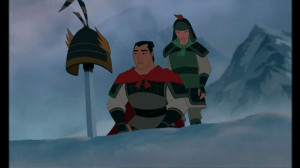
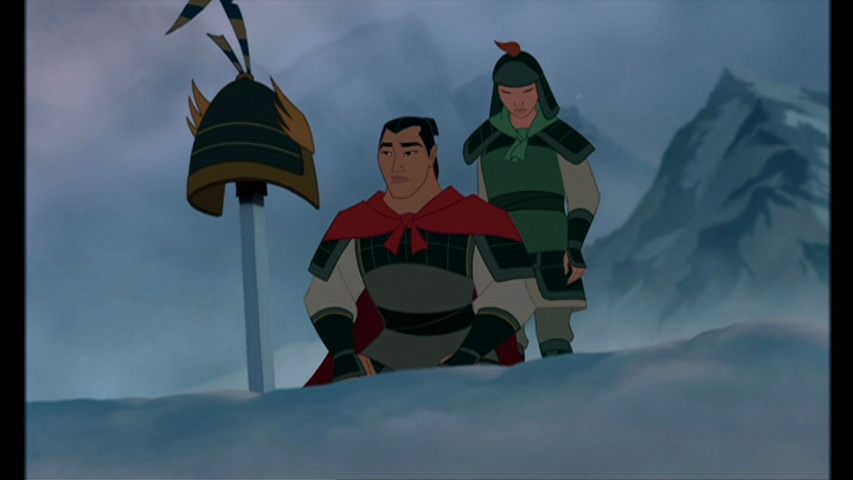
Shang’s troops make a grim discovery as they go through the pass

Shang trains his troops diligently, although the men are rather green to begin, and he reaches the conclusion at one point that Mulan (going under the name Ping) should go home. Determined to stay, Mulan proves her worth, and soon, the whole team is battle-ready. Mulan makes friends with Yao, Ling, and Chien-Po, who become her closest comrades. Mushu pretends to be an officer and gets the team sent out to meet the other Imperial Army troops. When they get to the pass, they find that the village there has been obliterated, including the Imperial Army section led by Shang’s father, the general. They then are caught in a surprise attack by the Huns, but Mulan saves the day by crushing the Hun Army with an avalanche. After she saves Shang from the fast-approaching snow, he realizes she’s been injured in her dealings with Shan-Yu, and a medical tent is set up for her. Unfortunately, her secret is discovered, and Shang is forced to kill her. He decides to spare her life, as she had saved his, and his debt has been repaid. Mulan is then deserted in the pass as the Army moves to the Imperial City.

As Mulan is left behind with her horse, Mushu, and the cricket, the four make the startling discovery that members of the Hun Army are still alive, including Shan-Yu, and are on their way to kill the Emperor. Mulan goes after them to warn Shang, but no one will listen to a woman. When the Huns surprise everyone with a sneak attack and kidnap the Emperor, Shang and his men are at a loss at what to do, but Mulan comes up with a plan: Ling, Chien-Po, and Yao dress up as concubines to infiltrate the palace. Shang joins their plan to help Mulan, and a fight ensues, with Mulan battling one-on-one with Shan-Yu. She manages to defeat and kill him with Mushu’s help, using the fireworks for the ceremony. The Emperor emerges, declaring, “I’ve heard a great deal about you, Fa Mulan. You stole your father’s armor, ran away from home, impersonated a soldier, deceived your commanding officer, dishonored the Chinese army, destroyed my palace, and…you have saved us all.” He gives her the sword of Shan-Yu and the crest of the Emperor in honor of her brave deeds, and everyone in attendance bows in respect. As Mulan leaves, Shang tries to say something profound, but can only say, “You fight good.” Disappointed, but relieved to go home, Mulan decides to return to her family. The Emperor tells Shang off for letting her go, telling him that “you don’t meet a girl like that every dynasty.”
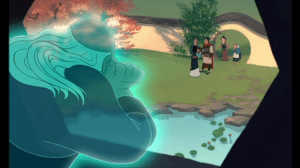
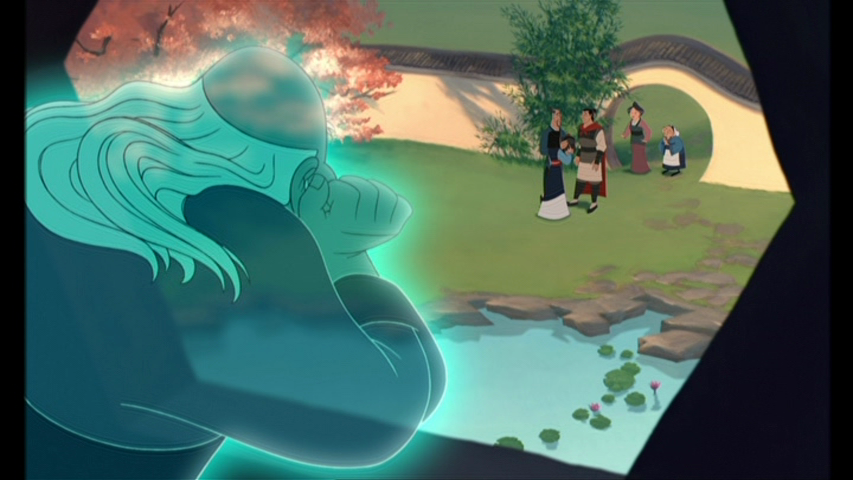
The ancestors watch as all is well with the Fa family

Mulan arrives home with trepidation, unsure at what her father’s reaction will be. He embraces her, just glad to see her home alive. Her grandmother isn’t so happy, wondering why her granddaughter couldn’t bring home a man, when Shang appears, looking for Mulan, under the guise of trying to return her helmet. Mulan asks if he would like to stay for dinner, and a romance appears to bloom between the two. Mushu is reinstated as a guardian, and all the ancestors wake up for a celebration.
June 18

June 18, 1988 – Mickey’s Birthdayland Opens in Walt Disney World

Image Credit: lostepcot.com

“All aboard for Birthdayland!”

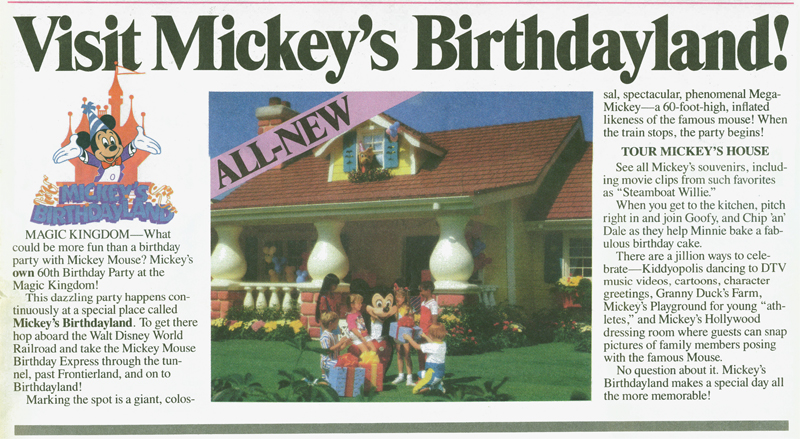
On June 18, 1988, the Mickey’s Birthdayland area opened in the Magic Kingdom area of Walt Disney World. The area was created to celebrate the 60th birthday of Mickey Mouse, and closed on April 22, 1990. Thinking that there should be something to celebrate the birthday of everyone’s favorite mouse, Disney executives decided on short notice to create the town. After Birthdayland closed, the area was redesigned as Mickey’s Starland (opening on May 26, 1990), and then evolved into Mickey’s Toontown Fair in 1996, which eventually closed on February 11, 2011, as expansions to Fantasyland were taking place.

Mickey’s Birthdayland Area had many interesting facets, one being the inclusion of the town of Duckburg, and a statue of Duckburg’s founder, Cornelius Coot. There was a train station along the route of the area to help bring in guests from Main Street Station, a petting farm called Grandma Duck’s Farm, a live show with Disney characters, and even Mickey Mouse’s house. One of the major attractions was in Grandma Duck’s farm: a cow named Minnie Moo, who had a Mickey Mouse head mark on one side of her body.

June 17

June 17, 2008 – Toy Story Midway Mania Opens at Disney’s California Adventure

Image credit: Official Disneyland Website

 “Andy’s got some new games and the toys are taking over!”

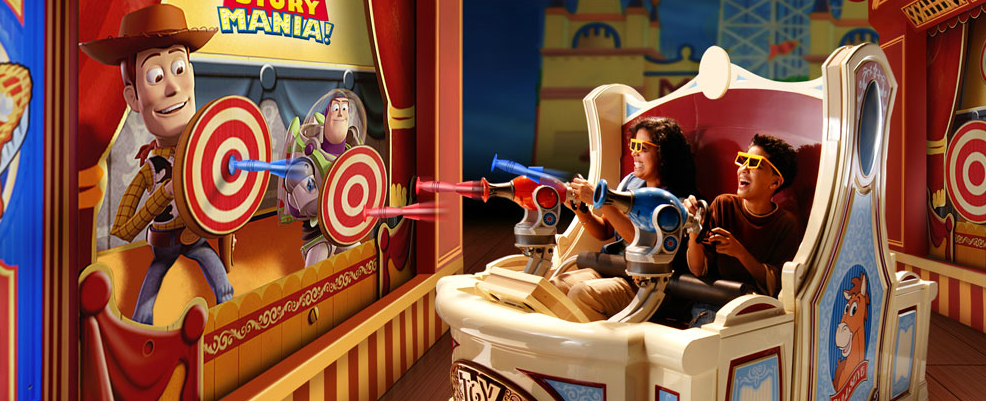
 On June 17, 2008, the Toy Story Midway Mania attraction opened in Disneyland’s California Adventure Park in the Paradise Pier area. This was the first time that an attraction was designed and built at both American parks simultaneously. It is one of the most technologically sophisticated attractions built by Disney Imagineers: guests never have the same ride twice due to the nature of the attraction.

Guests wear 3-D glasses and travel through environments based on carnival midway games. There are five games in total in this attraction. After a practice game, where guests practice how to shoot with Woody and Rex, guests participate in “Hamm & Eggs” hosted by Hamm, followed by “Rex and Trixie’s Dino Darts,” “Green Army Men Shooting Camp,” “Buzz Lightyear’s Flying Tossers,” and “Woody’s Rootin’ Tootin’ Shootin’ Gallery.” There are also chances for guests to unlock “Easter eggs,” which reveal new targets for more points. The attraction is also notable for the Audio-Animatronic Mr. Potato Head, voiced by Don Rickles; the character is one of the most sophisticated in terms of technology, as it is able to identify people in the audience, sing, and tell jokes.

June 16

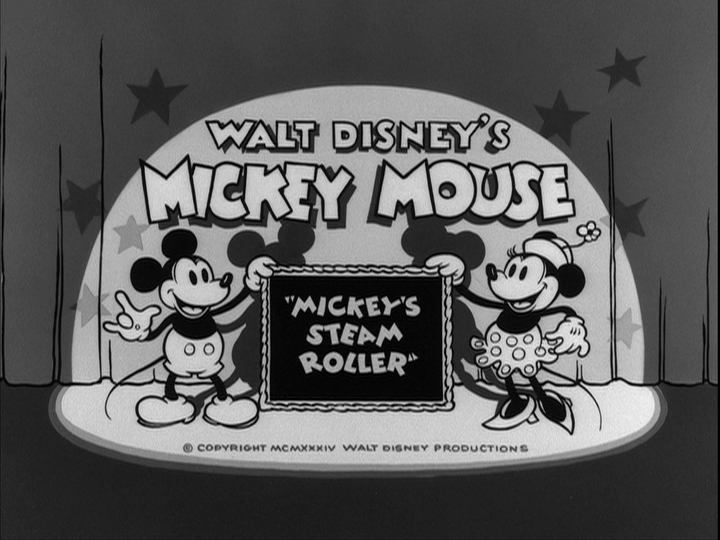
June 16, 1934 – The Mickey Mouse Short Film Mickey’s Steam Roller is Released to Theaters

“Oh, lookee! There’s Uncle Mickey! Yoo-hoo!”

On June 16, 1934, the Mickey Mouse short film Mickey’s Steam Roller was released to theaters. The short was directed by David Hand, and stars Walt Disney as the voice of Mickey Mouse and Marcellite Garner as the voice of Minnie Mouse.

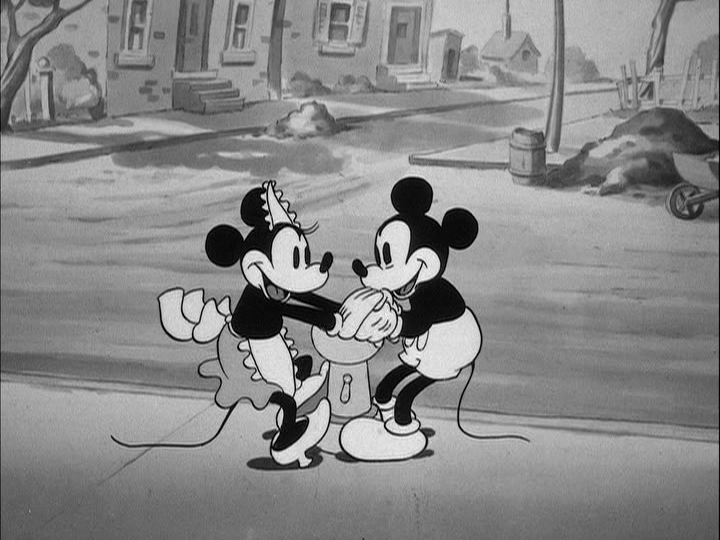
A construction crew is working on a main street, and all the workers wave at the steam roller as it passes by. As it turns a corner, Mickey is seen driving the steam roller, waving back at the crew as he chugs along. Coming the other direction is Minnie Mouse, pushing a stroller that contains Mickey’s two nephews playing patty cake. The two begin punching each other, but when Minnie chastises them, they kiss each other on the cheek and make up, but attempt to fight again when Minnie’s back is turned. She then spots their Uncle Mickey, and all three give a little wave.

Mickey and Minnie flirt with a game involving the phrases written on candy hearts

Mickey pulls up beside them, and the kids cry out that they want “to ride choo-choo,” so Mickey attaches a hook to their stroller, pulls Minnie into the steam roller cab, and takes the kids for a ride, pretending they’ve become part of a train. After a short ride, he pulls the train to a stop and asks Minnie if she would like some candy. When she says yes, he pulls out a candy heart that has “I love you” written on it. He then pulls out another one that says “Kiss me” and asks her to read it out loud. When she does, he moves in on her, but she escapes his clutches, and their flirting continues, with Mickey chasing her down the street.

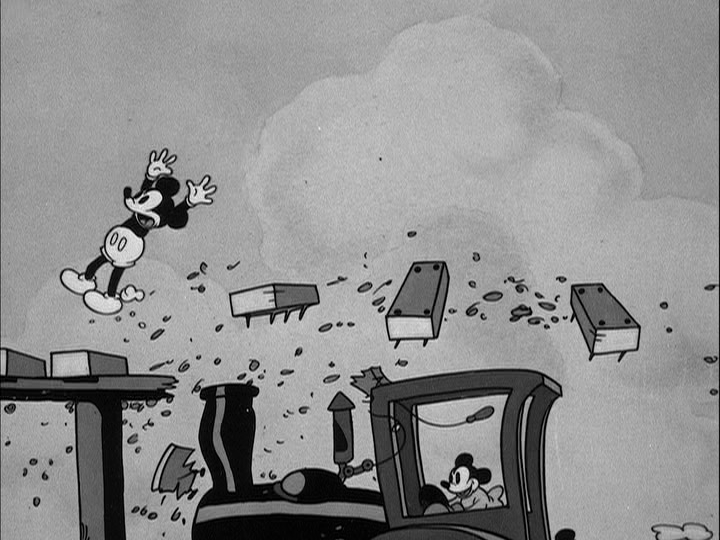
The nephews, seeing an opportunity, decide to climb into the steam roller and take it for a joyride. The steam roller runs faster than they thought, however, and they cling to the inside, while Mickey and Minnie run after them. The two nephews begin to have fun with it, with one bouncing on clouds from the stovepipe. Mickey attempts to rescue them by tying a rope to the steam roller, with the other end attached to a lamppost. Unfortunately, the lamppost isn’t strong enough, and Mickey is taken with it while it starts to drag the string of lamps down the street.

Mickey runs for his life as he is suddenly pursued by the steamroller

One of the nephews cuts the rope with a heated rod, and Mickey scrambles to stop them, ending up being chased by the steam roller down a steep hill. He finally takes refuge in a hotel, and the steam roller ends up crashing into it, knocking the building into oblivion. In the end, Mickey is just relieved to see that his nephews are all right, as they begin to see-saw on a plank of wood that landed on Mickey’s head.

June 15

June 15, 2001 – The 41st Animated Feature, Atlantis: The Lost Empire, is Released in Theaters Nationwide

“I will find Atlantis on my own, even if I have to rent a rowboat!”

On June 15, 2001, the animated feature film Atlantis: The Lost Empire was released in theaters nationwide after a premiere at the El Capitan Theater in Hollywood, California. The film was directed by Gary Trousdale and Kirk Wise, with story by Tab Murphy, Gary Trousdale, Kirk Wise, Bryce Zabel, and Jackie Zabel, with treatment by Joss Whedon. It starred the vocal talents of Michael J. Fox as Milo Thatch, Cree Summer as Kida, James Garner as Commander Rourke, Corey Burton as Mole, Claudia Christian as Lieutenant Sinclair, John Mahoney as Preston B. Whitmore, Phil Morris as Professor Sweet, Leonard Nimoy as the King of Atlantis, Jacqueline Obradors as Audrey, Florence Stanley as Wilhelmina Packard, and Jim Varney as Cookie (this was Varney’s last role before his death in 2000). The film did moderately well at the box office, grossing over $186 million worldwide; however, due to the less-than-expected box office, Disney canceled plans for a spin-off television show and a remake of the Submarine Voyage attraction based on the film. It has since become a cult classic among fans for its comic-like animation style.

The film begins with an introduction on how the city of Atlantis was destroyed. The scene then fast-forwards to 1914, at the Smithsonian Museum, where Milo Thatch, cartographer and linguist, is presenting his proposal on finding the lost city and its fabled power source, and bringing it back to the surface. He declares that the team must go to Iceland to find what’s known as the “Shepherd’s Journal,” a book that details a first-hand account of the fabled city. As it turns out, Milo has not been presenting to anyone, but has been practicing his proposal. When he finally tries to present his proposal, the board refuses to believe him, and warns him not to give up a promising career to chase a fairy tale.

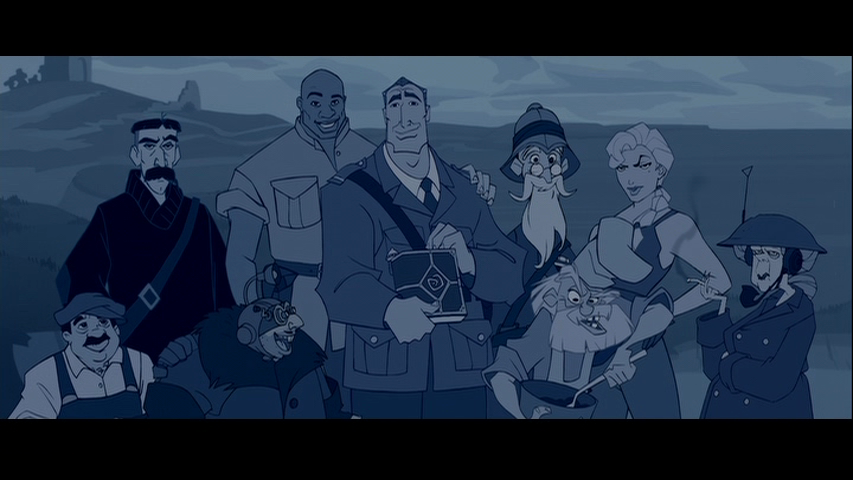
Milo looks at the photo of his grandfather and the crew that helped bring back the Shepherd’s Journal from Iceland

Disheartened, Milo arrives home to find waiting in his apartment Helga Sinclair, who gives him an offer he can’t possibly refuse from her employer, Preston B. Whitmore: a chance to find the lost city of Atlantis. Whitmore was a friend of Milo’s grandfather, who gave Whitmore the Shepherd’s Journal before he died, so Whitmore could pass it to Milo when he was ready. He provides Milo a crew and everything necessary for the journey. Soon, they’re loading the ship and are on their way, with Milo meeting the team that helped bring the journal back in the first place. After a series of tunnels and encounters with terrifying mechanical creatures who destroy the ship, the crew uses an escape pod to reach the ancient city.

Milo, injured in the last mishap, is found by a mysterious young woman who heals his injury. After determining that they speak English, the young woman, Kida, insists that Milo be taken to meet her father, the King. The King is not happy to see visitors, as the law states that they cannot see the city and live. Commander Rourke, the leader of the expedition, asks for at least one night in the city so they can resupply, and the King agrees with apprehension. Milo is then asked to get close to Kida, as she wishes to use the visitors to help her people. She then shows Milo all around the city, while asking questions about the world above. When she discovers he can read Atlantian, she asks him for help to translate a mural she found, which would explain the star she saw when her mother was killed in the flood that seemingly destroyed the city.

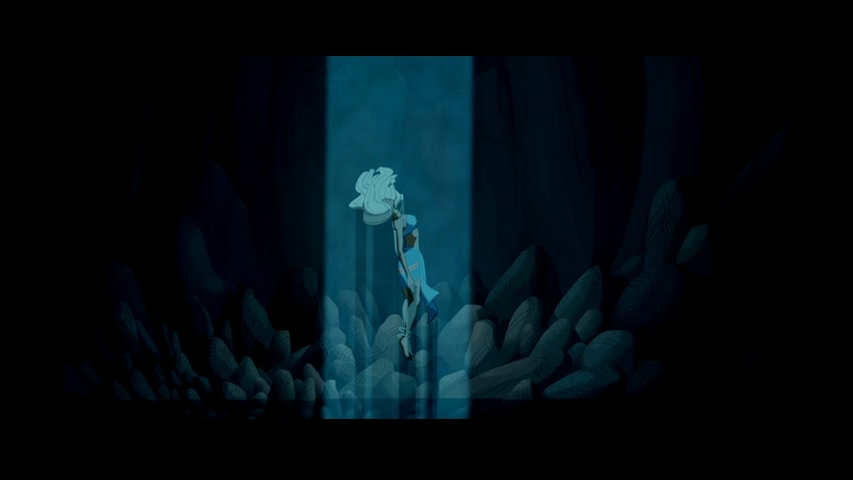
Kida is chosen by the power source to help protect the city

Unbeknownst to Milo, Captain Rourke and his crew have plans of his own that are unsavory: they wish to capture the Heart of Atlantis, which is the power source of the city, and the star Kida saw as a girl. They capture Kida and threaten to kill her unless Milo helps them get what they want. Discovering its hiding place, Rourke, Sinclair, Kida, and Milo enter the cavern. The crystal around Kida’s neck reacts to the power source, and she ends up possessed, floating in the air to meet the light. As the two meet, the source begins to glow brighter, and Kida has become the power source herself. Rourke locks her up, taking her away to be sold to the highest bidder on the surface. As they prepare to leave, members of the crew begin to take Milo’s side, as they believe that what Rourke plans to do is wrong, and they all remain in Atlantis; the whole city begins to die now that the power source is gone. The King, right before he dies, begs Milo to save Kida, who will be lost to the power source forever if Milo doesn’t get to her in time.

Milo and a group of Atlantian soldiers go after Rourke, and after a fierce battle inside the volcano, the mercenaries are defeated, and Rourke is killed by Milo when struck with a crystal shard that has been in contact with the power source. Due to the destruction, the volcano erupts, and Milo and his team scramble to escape. When the lava threatens to destroy the city, Kida emerges, still part of the crystal, and protects the city with a force field. Kida is then released from her bond with the power source, returning to Milo.

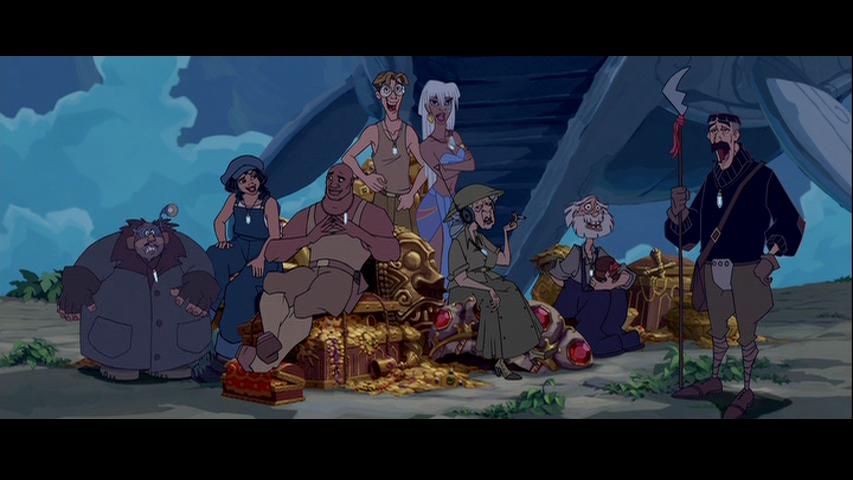
The crew, Milo, and Kida take one last picture together before the crew heads for the surface

The crew returns to the surface, sans Milo, loaded down with lots of ancient treasures. As they meet with Whitmore, all of the crew now very wealthy, he makes them promise to never reveal that they found Atlantis. Milo, who has fallen in love with Kida, decides to remain, and the pair try to rebuild the ancient glory of Atlantis.