RSS Feed

Tag Archives: 1990s

July 8

Posted on

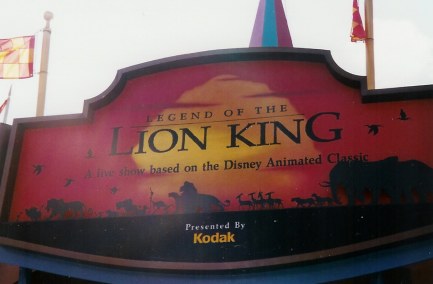
July 8, 1994 – “The Legend of the Lion King” Show Debuts at Walt Disney World

LotLK_3

“Look, Simba, everything the light touches is our kingdom.”

On July 8, 1994, the stage attraction “The Legend of the Lion King” debuted in Fantasyland of Walt Disney World. This attraction took the place of another live show, the “Mickey Mouse Revue.” Based on the 1994 smash hit The Lion King, the show was performed with life sized puppets known as “Humanimals,” which were created to accurately represent the characters from the film. The preshow was narrated by Rafiki, who, along with “the Circle of Life,” told the story of Simba. The show was similar to the now-running attraction “The Voyage of the Little Mermaid.” The attraction was closed in 2002 and was replaced with the 3-D attraction Mickey’s PhilharMagic. Many of the puppets were then sent to be used at attractions in Disneyland Paris.

June 18

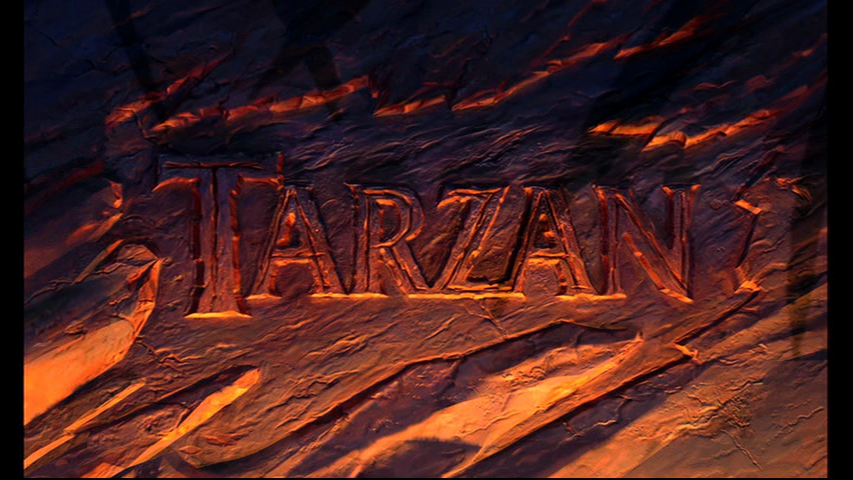
June 18, 1999 – The 37th Animated Feature Film Tarzan is Generally Released

vlcsnap-2013-06-18-05h23m51s252

“Somewhere, something is calling for you. Two worlds: one family.”

On June 18, 1999, Disney’s 37th Animated Feature Film Tarzan was released generally to theaters. The film was based on Tarzan of the Apes by Edgar Rice Burroughs. Glen Keane, animator for adult Tarzan, designed the character after watching his son perform skateboarding stunts and by watching extreme sports, giving the character a feel of “surfing” through the jungle. For the jungle, a new 3D painting and rendering technique was created for film, called Deep Canvas. This technique allows animators to create a computer animated background that still has the feel of a traditional painted background; it was awarded a special Academy Award in 2003. The songs for the film were written and performed by singer-songwriter Phil Collins, with score by Mark Mancina. Collins’ song “You’ll Be in My Heart” won the Academy Award and Golden Globe for best Original Song. The film overall was a critical and financial success, and was the last film of the Disney Renaissance to have a box office impact. The screenplay was written by Tab Murphy, Bob Tzudiker, and Noni White, and was directed by Chris Buck and Kevin Lima. It stars Tony Goldwyn as Tarzan, Minnie Driver as Jane, Glenn Close as Kala, Lance Henriksen as Kerchak, Brian Blessed as Clayton, Nigel Hawthorne as Professor Porter, Rosie O’Donnell as Terk, and Wayne Knight as Tantor.

There’s been a shipwreck, but a couple and their young child have been able to make it out alive. They look to the jungle as a place of safety in their small boat, and sail towards it. In the jungle, a gorilla couple is also enjoying family time with their baby. The scenes switch between the two families as they work on creating homes for themselves. One night, the baby gorilla wakes up and goes after a frog to play with it, unaware that the leopardess Sabor is nearby and on the prowl. The baby is unable to escape, and is viciously attacked and killed by Sabor. As the gorillas migrate, the mother, Kala, sadly trails behind, until she hears the sound of a baby cry, and takes off in its direction. She comes across the tree house that the human family has built, and opens the door to find that Sabor has killed the parents inside. She hears the baby cry from its crib, and finds that he has not been harmed. Kala takes to the child, and adopts him as her own. However, she soon discovers that Sabor never left the house, and runs to escape, the baby still in her hands. Sabor chases the baby after Kala accidentally drops him into netting nearby, but they manage to escape, and Kala brings the baby back to her herd.

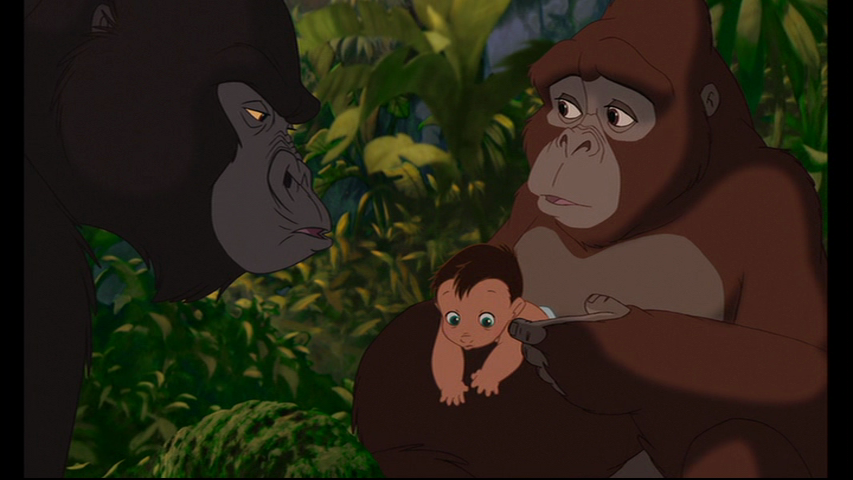
Kala tells Kerchak her intentions of adopting the baby as her own, but he refuses to accept the child

Kala tells Kerchak her intentions of adopting the baby as her own, but he refuses to accept the child

When Kala joins the herd, she declares that she will be the baby’s mother, although her mate Kerchak refuses to accept him. He begrudgingly accepts that Kala will raise him, but tells her that he will never acknowledge him as his son. Kala decides to call the baby Tarzan. The years pass, and Tarzan has grown into a willful child, who still has a hard time fitting in with the herd. Although he is friends with another gorilla named Terk, the other children want nothing to do with what they call the “hairless wonder.” The kids play a prank on him, telling him he can play with them if he retrieves a hair from an elephant and, desperate to fit in, goes to get one, but nearly ends up stomped to death by the elephants. He accidentally starts a stampede that breaks through where the gorillas are nesting, incurring the wrath of Kerchak. Saddened that Kerchak believes that Tarzan will never fit in with the herd, he runs away. Kala finds him later, and tells him that they are family, as their hearts are exactly the same. With renewed vigor, Tarzan is determined to prove his worth to the family.

After adapting to everything in the jungle, Tarzan grows into a strong man, able to hold his own against anything. One day, Tarzan senses something nearby, and narrowly escapes when Sabor breaks through. Kerchak tries to defend the family against Sabor, and Tarzan assists him by taking on the leopardess. In the end, Tarzan manages to kill Sabor, and the whole herd cheers. It looks like Kerchak is about to accept Tarzan as a member of the herd, when a strange sound pierces through the jungle. Kerchak informs everyone they need to move, but Tarzan goes off to explore the strange sound. He comes across a trio of people, and studies them carefully: a trigger-happy guide named Mr. Clayton, Professor Porter, and his daughter, Jane. Jane takes a moment to draw a baby baboon, but is soon chased by the baby’s entire herd. Tarzan soon jumps in to save her. She is rather frightened by Tarzan, but soon discovers that he is rather gentle and nothing to fear. He introduces himself, and starts mimicking her, quickly picking up English. He then helps take her back to her camp.

Tarzan and Kerchak clash over the idea of whether the humans are dangerous or not

Tarzan and Kerchak clash over the idea of whether the humans are dangerous or not

Terk, elephant friend Tantor, and other members of the herd go looking for Tarzan, and come across the camp set up by the Professor and Clayton. The group starts trashing the camp, but are soon chased away by an angry Kerchak. The Professor and Clayton return to the camp after Tarzan leaves with the frightened herd, and Jane relays the story of how Tarzan saved her to her companions. Back at the nest, Kerchak decrees that no one is to go near the strangers, and gets into an argument with Tarzan, as Tarzan does not believe Jane to be dangerous. Tarzan is furious, wondering why Kala never told him that there were creatures that looked like him. Jane tells her father about Tarzan, and Tarzan soon returns to the camp to see her. Jane then decides to teach Tarzan about the world outside of the jungle, while Clayton wishes to use Tarzan to find the gorillas. Tarzan and Jane grow closer, and Jane asks if Tarzan will take them to the gorillas, but he refuses, as he wishes to obey Kerchak. Unfortunately, the ship soon arrives to take the professor and Jane back to England, and Jane asks Tarzan to come with her. Tarzan says he can’t, and asks her to stay. Clayton then takes advantage of Tarzan’s feelings for Jane, and has Tarzan take them to see the gorillas, as Clayton says Jane will wish to stay if she sees them.

Terk and Tantor keep Kerchak occupied as Tarzan takes Jane to the camp. Unfortunately, Kerchak arrives to find the group there, and attacks Clayton. Tarzan saves them from Kerchak, but also alienates himself from the family in the process. Kala finally reveals the truth about Tarzan’s parents, and leaves him to make up his mind about if he should stay in the jungle or go with Jane. In the end, Tarzan decides to go back to England with Jane, much to the sorrow of Kala. As the humans head to the ship, Clayton reveals his true intentions of capturing all of the gorillas, with Jane and the professor trapped in cages to prevent them from stopping Clayon’s plan. Terk and Tantor, hearing Tarzan’s cry for help, set out to rescue their friend. In the jungle, Kerchak and the herd sense danger, and as he tries to protect the herd, he is soon captured. As the herd is trapped in cages and tied down by ropes, Tarzan appears in the mist, bringing with him a whole herd of jungle animals to free the herd. Kerchak asks in surprise that Tarzan came back, and Tarzan tells him that he came home. As Clayton tries to shoot Tarzan, Kerchak takes the bullet. Angered, Tarzan fights Clayton, destroying his gun. As Clayton tries to attack Tarzan with his knife, he is caught in the vines, and dies by hanging as a vine stays wrapped around his neck. Tarzan returns to the herd to fine Kerchak dying. Kerchak finally accepts Tarzan as his son, and asks that Tarzan take care of the family from then on.

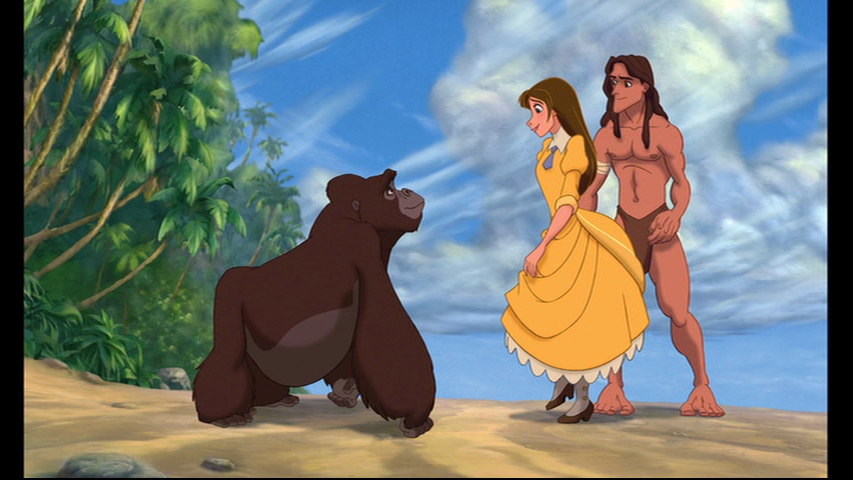
Jane, deciding to stay, is welcomed into the family

Jane, deciding to stay, is welcomed into the family

Jane still has to return to England, and the two say goodbye on the beach. Jane is heartbroken with having to leave Tarzan behind, and her father tells her that she needs to stay. Realizing that with Tarzan is where she belongs, she returns to the beach and embraces Tarzan. The Professor decides he wishes to stay as well, and the two effectively join the family.

June 1

Posted on

June 1, 1995 – The Disneyland Paris Attraction Space Mountain: De la Terre à la Lune Opens

Logo_disney-SpaceMountain

“Feel the g-force as you dodge screaming meteorites and black holes – and then go back and do it again!”

On June 1, 1995, the Disneyland Paris attraction Space Mountain: De la Terre à la Lune (translated as “From the Earth to the Moon”) opened in Discoveryland. The attraction is actually a variation of the popular Disneyland attraction Space Mountain, and was built to create interest around the then struggling park. It is the fastest of all versions of Space Mountain, and cost $89.7 million to create. The theme was inspired by author Jules Verne’s 1865 novel From the Earth to the Moon, and was the first roller coaster to have a synchronized audio track, known as the Synchronized On-Board Audio Track (SOBAT). The attraction’s queue area was designed for a Victorian feel, in keeping with the Verne story. In 2005, the attraction was redesigned, and was renamed Space Mountain: Mission 2.

May 18

Posted on

May 18, 1999 – Tarzan: An Original Walt Disney Records Soundtrack is Released

 Tarzan

“Put your faith in what you most believe in, two worlds, one family. Trust your heart, let fate decide to guide these lives we see.”

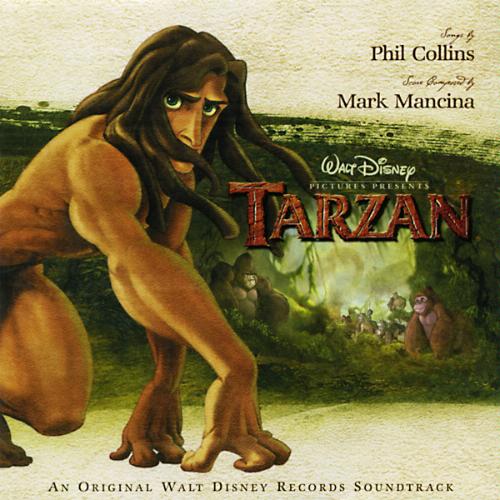
On May 18, 1999, Tarzan: An Original Walt Disney Records Soundtrack was released through Walt Disney Records. It was the soundtrack for the 37th animated feature film released by Walt Disney Animation Studios. The songs were written by singer-songwriter Phil Collins, with score composed by Mark Mancina. The album peaked at number 5 on the Billboard charts, and spawned two singles: “You’ll Be in My Heart” and “Strangers Like Me.” “You’ll Be in My Heart” would go on to win an Academy Award and a Golden Globe for Best Original Song; the soundtrack received a Grammy for Best Soundtrack Album. It is also notable as the first soundtrack to be recorded in multiple languages for foreign markets, with Collins singing the songs in the English, Italian, German, Spanish, and French versions.

May 8

Posted on

May 8, 1997 – Playhouse Disney Begins Airing on the Disney Channel

 Playhouse_Disney_En

“Where learning is powered by imagination.”

On May 8, 1997, the television block Playhouse Disney began airing on the Disney Channel. The block, aimed at preschool-aged children, was introduced after the Disney Channel moved from basic cable to premium cable, and aired from 4 am to 2 pm Eastern Standard Time on weekdays, and 4 am to 9 am Eastern Standard Time on weekends. The shows broadcast on the channel included Bear in the Big Blue House, PB&J Otter, and Rolie Polie Olie. The channel also showed special short subjects between shows, with no commercials. On February 14, 2011, the block was rebranded as Disney Junior.

April 26

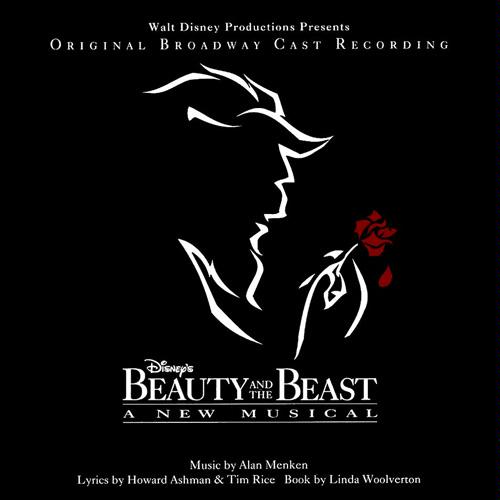
April 26, 1994 – The Original Broadway Cast Recording of Beauty and the Beast is Released Through Walt Disney Records

528c810ae7a0b920ac209110.L

“Is this home? Am I here for a day or forever? Shut away from the world until who knows when.”

On April 26, 1994, the Original Broadway Cast Recording for the musical version of the hit film Beauty and the Beast was released through Walt Disney Records. The recording included the talents of Susan Egan as Belle, Terrence Mann as Beast, Burke Moses as Gaston, Gary Beach as Lumiere, and Beth Fowler as Mrs. Potts. The album contains all the songs performed in the musical, except for “A Change in Me,” a song that was added to the production in 1998 for Toni Braxton while she played Belle. Many new songs were added to the production in the process of adapting it to the stage, including “Me,” sung by Gaston; “Home,” sung by Belle; “How Long Must This Go On?” sung by Beast; “If I Can’t Love Her,” sung by Beast; “Human Again,” which was a song written for, and cut from, the original film; and “Maison des Lunes,” sung by Gaston, LeFour, and Monsieur D’Arque.

April 22

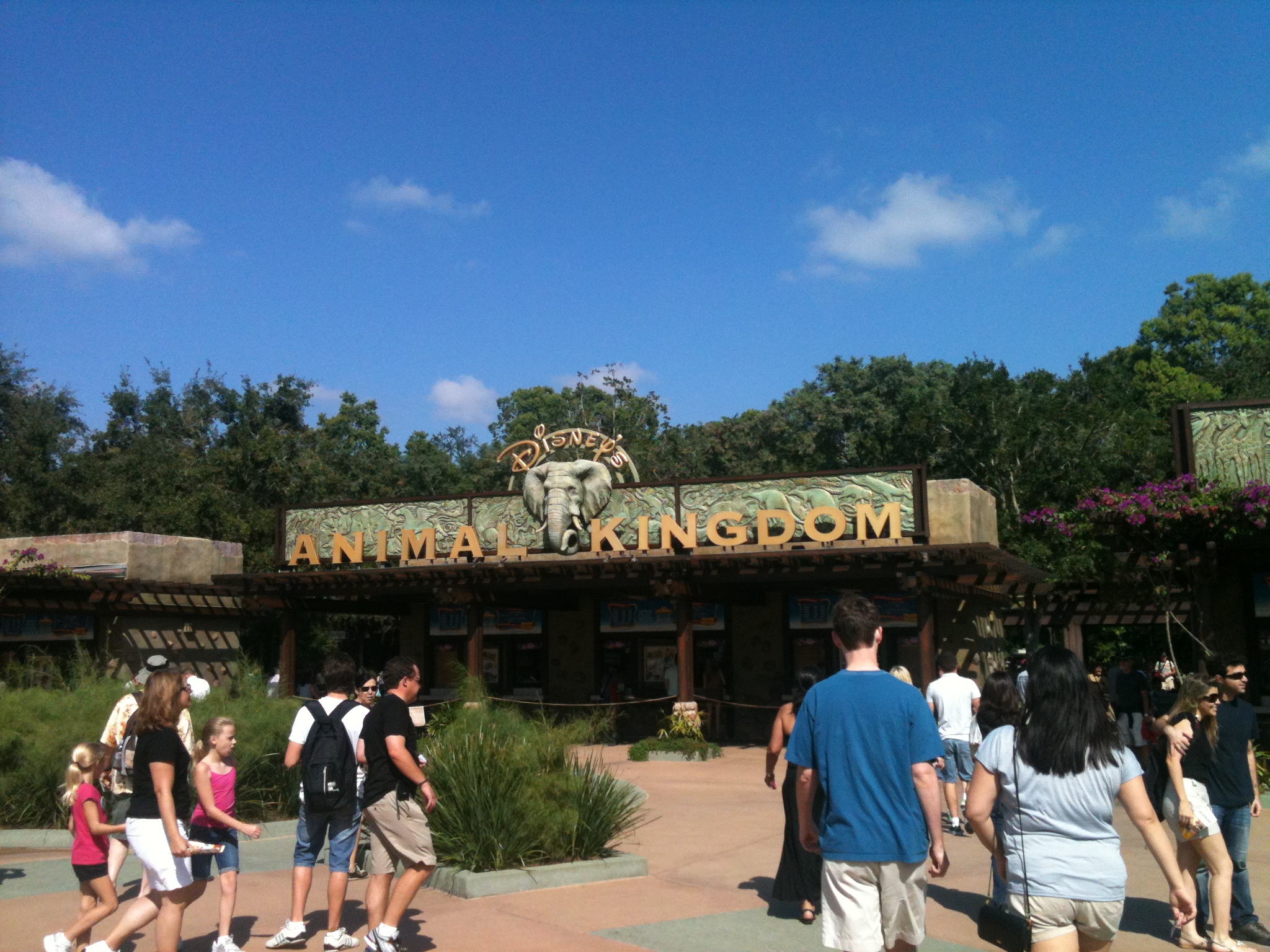
April 22, 1998 – Disney’s Animal Kingdom Opens in Walt Disney World

IMG_0569

“ …a kingdom we enter to share in the wonder, gaze at the beauty, thrill at the drama, and learn.”  – Former Disney CEO Michael Eisner

On April 22, 1998, Disney’s Animal Kingdom park opened in Walt Disney World in Orlando, Florida. It is the fourth park built in Florida, and Disney’s largest park, spanning more than 500 acres. The theme of the park is mainly animal conservation, with the Tree of Life, a large sculpted tree, standing as its symbol. The park itself is split into seven different areas: Oasis, featuring animal habitats; Discovery Island, serving as the land’s central hub and containing the Tree of Life at its core; Camp Mickey-Minnie, built like a summer camp where guests can meet several characters; Africa, containing several animal exhibits and the Kilimanjaro Safaris; Rafiki’s Planet Watch, which focuses on conservation efforts supported by the Walt Disney Company; Asia, which was part of an expansion area added to the park in 1999; and DinoLand U.S.A., which gives guests an in-depth look at dinosaurs. The park has been ranked seventh in overall visits to theme parks around the world.

April 10

April 10, 1992 – The Live-Action Musical Film Newsies is Released to Theaters
News1

“Pulitzer and Hearst, they think we’re nothing! Are we nothing? No!”

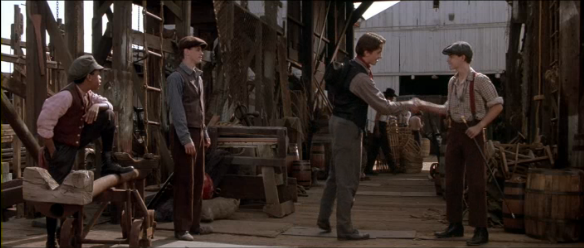
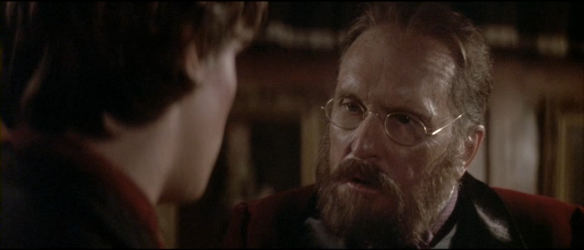
On April 10, 1992, the live-action musical film Newsies was released to theaters. Based on a true story of the Newsboys’ Strike of 1899, the film tells the story of Jack Kelly and his band of newsboys (“newsies”) who take on Joseph Pulitzer (owner of the newspaper The World) when Pulitzer decides to up the price that the newsies pay to buy their papers to sell on the street. The film was a box office flop, but has since gained a strong cult following, and has been turned into a successful Broadway musical. Newsies was the directorial debut of Kenny Ortega, with screenplay by Bob Tzudiker and Noni White, and music written by Alan Menken and Jack Feldman, with underscore by J.A.C. Redford. It stars Christian Bale as Jack Kelly, David Moscow as David Jacobs, Bill Pullman as Bryan Denton, Robert Duvall as Joseph Pulitzer, and Ann-Margaret as Medda.

Set in New York City in 1899, the story begins with the newsies waking up to begin their day at the Newsboy’s Lodging House. They sing about “carrying the banner,” discussing the best ways of selling papers and lamenting the bad headlines they have to pedal, as they suffer if they can’t sell every paper. Leader Jack “Cowboy” Kelly rallies the boys’ spirits, especially after outsmarting the notorious Delancey Brothers, who torment the newsies and hide behind their uncle, who provides the newsies their papers. Observing this are new newsboys David and his little brother, Les. Les immediately admires Jack, but David is much more reserved. Jack and David strike up a reluctant partnership, with Jack wanting to capitalize on Les’s cuteness, and David needing to learn the ropes. As David, Les, and Jack head out to hawk the headline, Jack gives David the first important lesson: “Headlines don’t sell papes, newsies sell papes.”
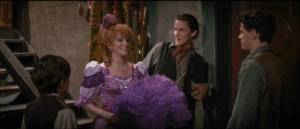
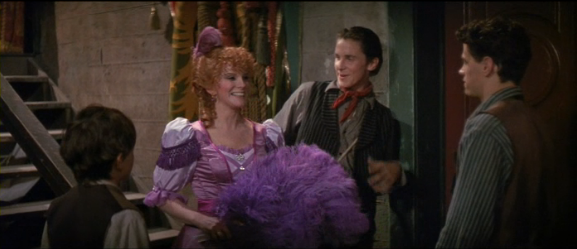
Jack introduces David and Les to Medda, a friend of his, who protects them from Warden Snyder

Jack introduces David and Les to Medda, a friend of his, who protects them from Warden Snyder

As the newsies head out to their task, Joseph Pulitzer sits in his office, angered over the horrible headline in his publication. He and his team are trying to come up with a way to put more money in his pocket. Meanwhile Jack, David, and Les are sidetracked at a boxing match, where they soon have to flee when Jack’s appearance catches the attention of Warden Snyder, who calls Jack “Sullivan” and threatens to take him back to “the Refuge.” The three take shelter in Irving Hall, where Jack tells the two why Synder was chasing him – Jack escaped from the refuge, which is a jail for kids. They are soon discovered in Irving Hall by the owner, singer Medda Larkson, a friend of Jack’s who lets them stay until Snyder is done looking for them. Jack then reveals why he’s called “cowboy” – he longs to move to Santa Fe, where his parents are supposedly looking for a ranch. That evening, David and Les head home, with Jack accompanying them. He meets David’s family and joins them for dinner, and immediately falls for David’s sister, Sarah. David reveals to Jack that he had to start working to support his family, as his father was injured and lost his job as a result, as he had no union to protect him. David and Jack soon become best friends, finally understanding each other.

The next morning, the newsies are dismayed to find that Pulitzer’s grand solution to get more money is to charge the newsies more for their papers. Inspired by his talk with David about his father, Jack believes that the best course of action for the newsies is to go on strike, beginning the formation of a newsboys union. David tries to talk him out of this, but is soon roped in as the advisor to Jack’s plans, with Jack attempting to gather all the newsboys in New York. With Jack as the voice of the people, and David as the brains of it all, the strike is effectively on. Jack’s first action is to bring the demands of the newsboys to Pulitzer himself – unfortunately, this does not go well. They soon catch the attention of reporter Bryan Denton, who takes Jack, Les, and David to lunch to discuss their plans, advising them that they need to make their story worth being in the papers.
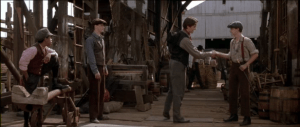
Jack, David, and Boots head to Brooklyn to meet with famous newsie Spot Conlon, who has reservations about the strike

Jack, David, and Boots head to Brooklyn to meet with famous newsie Spot Conlon, who has reservations about the strike

The other newsies are sent out as ambassadors to gather the other newsies in the city, and Jack, Boots, and David head to Brooklyn to convince influential newsie Spot Conlon to join. Spot is not convinced that Jack’s newsies are going to follow through on their threat of strike, even though David claims that Spot is the key to creating a real newsboy union. When they prove that they won’t run at the first sign of danger, Spot may be convinced to join. The boys prove that they are in it for the long haul when they trash the distribution center, but at a price, as their friend, the crippled Crutchy, is taken by the Delancey Brothers and beaten, then taken to the Refuge. Jack and David head to the Refuge late at night to break Crutchy out, but Crutchy refuses to go, as his already injured leg is worse from the beating. When the newsies attempt to trash the distribution center again, members of the Irish Mob are there to greet them. Fortunately, Spot Conlon stays true to his word, with Spot and the Brooklyn newsies assisting Jack and his boys. The newsies have another victory in their strike, and Denton takes a picture after their triumph. Jack then decides that to get the attention of the other papers, the newsboys will have a rally with every newsboy across the city.

With his picture in the paper, Snyder identifies Jack, and heads to the Newsboys’ Lodging House to find the runaway, but the newsboys cover for Jack and keep him safe. Snyder then heads to Pulitzer directly, using his information on Jack to get the police to charge in at the raid and grab Jack. After Snyder’s appearance at the Lodging House, Jack runs to David’s apartment and sleeps in the stairway outside Sarah’s room. The two share breakfast on the roof, with Sarah visibly upset when Jack talks about how he’s ready for the strike to end and he can leave for Santa Fe. The rally is held at Irving Hall, which is soon crashed by Snyder and the police, who arrest several newsies, including Jack. At the trial, the truth about Jack comes out: his real name is Francis Sullivan, with his father a convicted criminal currently in prison, and his mother passed away. Jack is sent back to the Refuge until the age of 21, and the newsies gather to hear from Denton that none of the newspapers reported on the rally, nor will they cover any strike news. Denton then says he’s been reassigned, and is leaving New York. With so many blows, the newsies fall into depression, and David takes over leadership, trusting no one but the newsies from now on.
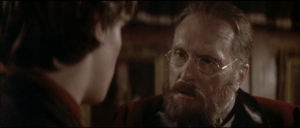
Pulitzer threatens Jack that, should he not work for him, David and his family will suffer

Pulitzer threatens Jack that, should he not work for him, David and his family will suffer

David plans a rescue of Jack from the Refuge, but sees that he is taken to Pulitzer’s, who offers Jack a chance for a new life, so long as he starts selling papers again. When Jack refuses, Pulitzer threatens David and his family, which has Jack agreeing in order to save his friend. The newsies are dismayed and angered when they see that Jack has crossed over the picket line, with David especially hurt by the betrayal. Jack redeems himself when he protects Sarah, Les, and David from the Delancey Brothers. Having broken his agreement with Pulitzer, Jack now firmly rejoins the newsies union. The group then heads to Denton’s, where he reveals that all of the children working in New York are listening to the newsies, and they plan to print their own paper, revealing the truth to all of New York, secretly using one of Pulitzer’s old presses to print their paper.

The newsies wait nervously for the child workers of the city to arrive to strike, and when they do, they arrive by the hundreds, shouting for the world (and the World) to hear. Jack is then called in to see Pulitzer, who demands that Jack give the name of the person who printed the Newsies Banner. When Jack reveals that Pulitzer owns the press on which it was printed, Pulitzer is speechless. He is powerless against all of the children of New York, and Jack heads back to the crowd, announcing their victory. The kids from the Refuge are free, and Snyder is imprisoned for fraud, as he would steal the funding meant for the children and put it in his own pocket. Crutchy reveals that Governor Theodore Roosevelt stormed in and demanded that things at the Refuge be set right. Denton then tells Jack that Roosevelt has offered Jack a ride to the train station to head to Santa Fe. Jack heads to the train station, leaving a heartbroken David, Les, and Sarah. Things quickly return to normal, with the kids resuming their duties as newsies, when Jack suddenly returns, admitting that he now knows where he belongs.
March 15

March 15, 1998 – The Animated Children’s Series PB&J Otter Premieres on Playhouse Disney

PB&j

“PB&J! Yay!”

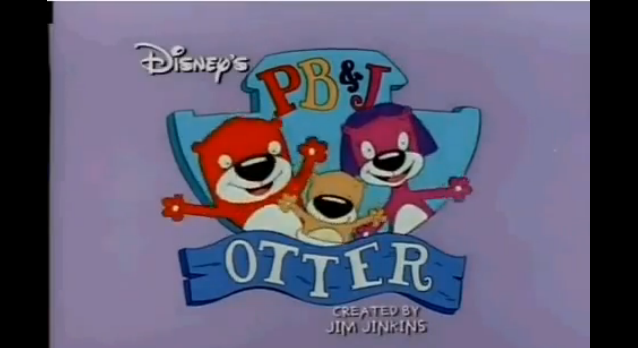
On March 15, 1998, the animated children’s series PB&J Otter premiered on Playhouse Disney, with the first episode comprised of two segments: “Bye, Bye PB&J” and “Babbleberry Day.” The series is about a family of river otters, with three children named Peanut, Jelly, and baby Butter, and their adventures. The series was created by Jim Jinkins (known also for creating the show Doug) and was produced by David Campbell. The show was also produced in a collaboration with the Harvard University Cognitive Studies Group, whose job was to make sure each episode had a positive educational message in its core. The show ran for three seasons with 65 episodes spanning from 1998 through the fall of 2000. Currently, the show is being broadcast in reruns on Disney Junior. The show starred Adam Rose as Peanut, Gina Marie Tortorici as Butter, Jenell Slack as Jelly, Chris Phillips as Ernest Otter, and Gwen Shepherd as Opal Otter.

March 1

March 1, 1994 – Music from Disney’s Aladdin Wins Four Grammys

Aladdin (Original English Soundtrack) 1

“A whole new world, a dazzling place I never knew…”

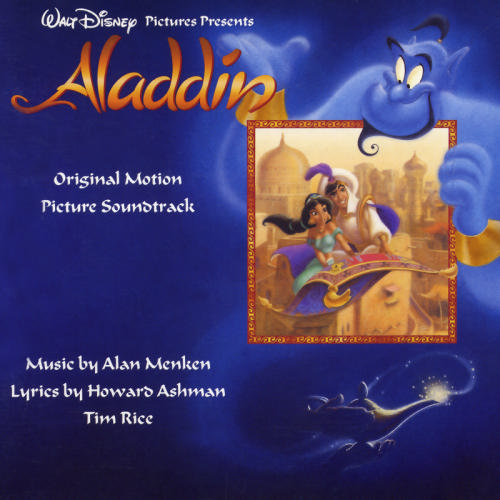
On March 1, 1994, the 36th Grammy Awards were held in Radio City Music Hall in New York City. The music from the hit feature film Aladdin, particularly the song “A Whole New World” received four out of its six nominations. Written by Alan Menken and Tim Rice, “A Whole New World” won Best Song Written for Visual Media, Best Instrumental Composition Written for a Motion Picture or for Television, Best Pop Performance by a Duo or Group with Vocals (the pop ending track sung by Peabo Bryson and Regina Belle), and Song of the Year, beating Neil Young’s “Harvest Moon,” Jim Steinman’s “I’d Do Anything For Love (But I Won’t Do That),” Sting’s “If I Ever Lose Faith In You,” and Billy Joel’s “The River of Dreams.” The soundtrack was also nominated for Best Song Written for Visual Media with Alan Menken and Howard Ashman’s “Friend Like Me.” Peabo Bryson and Regina Belle’s pop version of “A Whole New World” was nominated for Record of the Year, but lost to Whitney Houston’s “I Will Always Love You.”