RSS Feed

Tag Archives: Disney Park

February 19

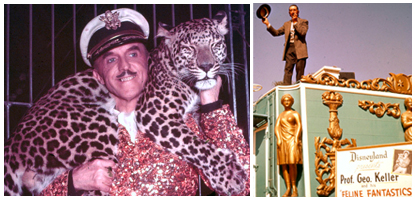
February 19, 1956 – Keller’s Jungle Killers Performs at Disneyland

02191956_WDA_TDIDKeller

“George J. Keller…demonstrates for the first time the unarmed subjugation of a group of African lions, tigers, leopards, mountain lions, jaguars, black panthers, and a cheetah.”

On February 19, 1956, the circus attraction Keller’s Jungle Killers performed in the short-lived Holidayland area of Disneyland. Occupying the circus tent that once housed the Mickey Mouse Club Circus, the attraction was hosted by George Keller, a former artist and teacher at the Bloomsburg State Normal School, who left education in the early ’50s to perform with his animals full time. These “jungle killers” included lions, tigers, and leopards. The attraction lasted until September 7, 1956.

February 13

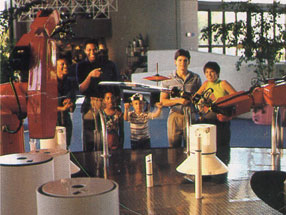
February 13, 1988 – The Expo Robotics Demonstration Opens in Epcot

communicorerobots

“The intricate movements of the robotic arms amazingly performed various programmed tricks.”

On February 13, 1988, the Expo Robotics demonstration opened in Epcot’s Communicore West area. Expo Robotics was an expansion of the already popular Bird and the Robot exhibit in World of Motion’s Transcenter. The demonstration featured several large robotic arms that performed a variety of programmed tricks, including drawing faces of guests and airbrushing Disney characters on t-shirts that were eventually sold. The demonstration also featured lively circus music to create the jolly atmosphere. The attraction eventually closed on October 3, 1993.

February 9

February 9, 1996 – The Disney Institute Experience Opens at Walt Disney World

hero-about

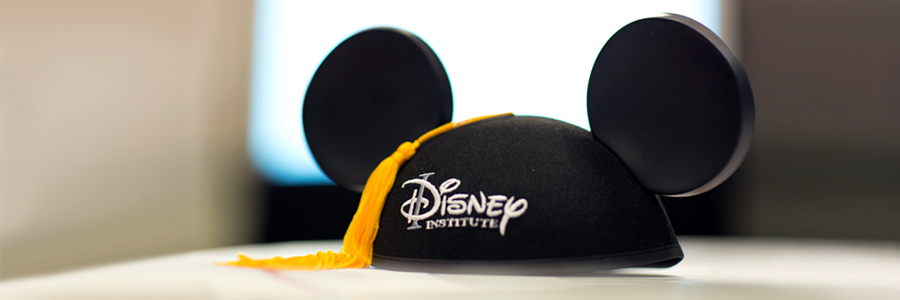
“For over two decades Disney Institute has been helping transform organizations through custom solutions grounded the time-tested success and insights from The Walt Disney Company

On February 9, 1996, the learning center The Disney Institute opened at Walt Disney World. Opened by Michael Eisner, the idea of the vacation experience was to provide guests a selection of over 80 interactive programs in eight categories: Entertainment Arts, Performing Arts, Story Arts, Design Arts, Culinary Arts, Lifestyles, Gardening & the Great Outdoors, and Sports & Fitness. The experience was held at the Disney Village, which included facilities for all of the programs, which included animation studios, culinary studios, and a 225-seat amphitheater. By the summer of 2000, the focus of the Disney Institute shifted from casual guests to programs that accommodated corporate offices and guests, teaching professional development. The last guests for the old version of the Disney Institute stayed at the resort on February 11, 2002, and was replaced by the Saratoga Springs Resort, a part of the Disney Vacation Club. Although there is no permanent location for the Disney Institute, it still operates, providing seminars and workshops in the following: Leadership Excellence; Selection, Training, & Engagement; Quality Service; Brand Loyalty; Creativity & Innovation; and Business Excellence.

February 4

February 4, 1984 – The Exhibit Backstage Magic Opens in Epcot

commjulie

“Join your hostess Julie and her electronic sidekick I/O for a tour through Epcot’s Computer Central, the computer hub of Epcot Center.”

On February 4, 1984, the Epcot exhibit Backstage Magic opened in Epcot’s Communicore East. It replaced the Astuter Computer Review (1982 – 1984), and ran until October 1, 1993. It was hosted by a woman named Julie and her sidekick I/O, which stands for Input/Output. The attraction explained to guests how the Audio-Animatronic characters in the park work through the use of computers. Its closing was part of a major closing of Communicore, which reopened again in 1994 as Innoventions.

February 2

February 2, 1992 – The Dixie Landings Resort Hotel Opens in Walt Disney World

DixieLandingsLogo

“Discover a place where simple pleasures flourish and Southern hospitality abounds.”

On February 2, 1992, the Dixie Landings Resort Hotel opened in Walt Disney World. Using the theme of the Old South, the resort was a moderately-priced hotel, featuring 2,048 rooms. It contained a souvenir shop and restaurants, located in Colonel’s Cotton Mill, which was built to resemble a steamship. The souvenir shop was called Fulton’s General Store, and the restaurant contained at the resort was Boatwright’s Dining Hall. On April 1, 2001, the resort was combined with the Port Orleans Resort, and was renamed the Port Orleans: Riverside; the restaurant and souvenir shop kept their names and were not changed.

February 1

February 1, 1947 – Imagineer, Former Senior Vice President of Creative Development, and Disney Legend Tony Baxter is Born

TonyBaxter_Collection_550

“The names on those windows gave the world a very magical kingdom, but more importantly, created a yardstick by which everything that’s followed Disneyland has been measured…to be included with them here at Disneyland is, to me, the ultimate honor.”

On February 1, 1947, Tony Wayne Baxter was born in Los Angeles, California. Baxter was interested in Disney from a young age, fortuitously growing up at the time and place where Disneyland opened and flourished. At age 17, he began working at the park as an ice cream scooper at Carnation Plaza Gardens. After peeking behind the scenes of the Pirates of the Caribbean attraction, he ran into Imagineer Claude Coats, who offered to give Baxter a tour of the then-unfinished ride. His love for Disney attractions continued through college, where he created a design for a Mary Poppins-themed ride for a course project. This project was brought to the attention of WED (now known as WDI – Walt Disney Imagineering), and they offered him an in-depth look at Imagineering. After college, Baxter was given a job in WED, and his first project was the Walt Disney World version of the 20,000 Leagues Under the Sea attraction, where he served as the field art director. After this, Baxter helped develop some of the most loved attractions in the parks, the first being Big Thunder Mountain Railroad, opening in Disneyland in 1979 and designed by both Baxter and mentor Claude Coats.

In 1983, Baxter oversaw one of the biggest projects at the Disneyland – the remodeling of Fantasyland. A walk-through was added inside Sleeping Beauty’s Castle, and all the buildings were redesigned from a Renaissance theme to a Bavarian Village theme. In 1989, the attraction Splash Mountain debuted, with the initial idea for the attraction belonging to Baxter. He was also tapped to create attractions for the George Lucas partnership, which included Star Tours and Indiana Jones Adventure. Baxter is also credited for the Imagination pavilion in Walt Disney World’s Epcot park, the redesign of Disneyland’s Tomorrowland, restoration of the Disney submarines for Finding Nemo Submarine Voyage, renovation of Great Moments with Mr. Lincoln, revamp of Star Tours – The Adventure Continues, and the creation of Disneyland’s Fantasy Faire. 2013 became an important year for Baxter, as he not only announced that he would be stepping down from his role as Senior Vice President of Creative Development into a role of creative advisor and mentor, but he was awarded a window on Main Street, and honored as a Disney Legend.
January 31

January 31, 1992 – Professor Barnaby Owl’s Photographic Art Studio Facility Opens in Disneyland

4787478680_fdfda10bae_o

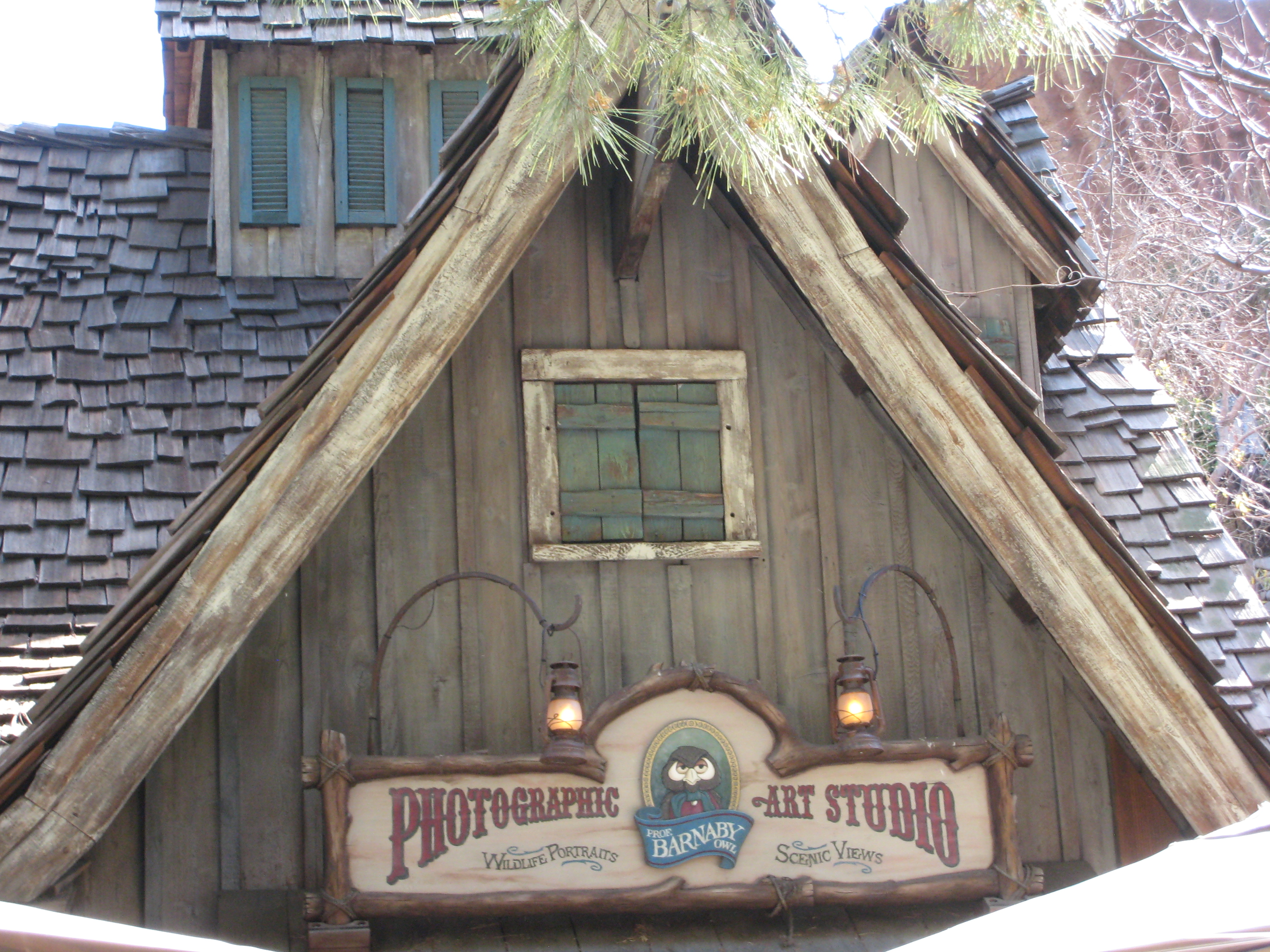
“Your custom photo is available at Professor Barnaby Owl’s Photographic Art Studio.”

On January 31, 1992, the photo facility Professor Barnaby Owl’s Photographic Art Studio opened at the exit of the Splash Mountain attraction of Disneyland. The facility sells souvenier photographs of guests while they ride the attraction, with the photos being taken when the ride goes down the final plunge. This is the first Disney attraction to offer this service; it has been replicated at the Walt Disney World and Tokyo Disneyland park, with the name changed to Splashdown Photos.

January 30

January 30, 1988 – The Nighttime Fireworks Show IllumiNations Begins in Epcot’s World Showcase

epcot-gallery-18

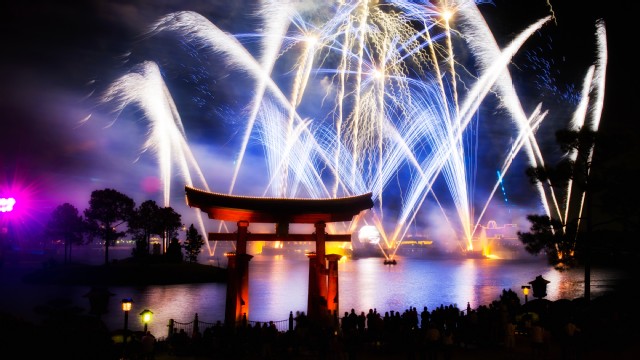
“Behold the past, present, and future of Earth at this stunning fireworks show that celebrates the spirit of humanity.”

On January 30, 1988, the nighttime fireworks show IllumiNations began its run in Epcot’s World Showcase area, replacing the Laserphonic Fantasy. This show, featuring fireworks, lasers, fountains, and music, was originally sponsored by General Electric, although General Electric ended its sponsorship in December of 2002. Each area of the World Showcase was individually showcased with music highlighting the country, along with a spectacular laser show. The show ended with a fireworks show and symphonic music before the Epcot park closed for the night. Variations of the show have been created: IllumiNations 25 celebrated the 25th Anniversary of Walt Disney World, and IllumiNations 2000: Reflections of Earth was introduced to celebrate the millennium. IllumiNations 2000: Reflections of Earth has continued since its introduction in 1999, although it has dropped “2000” from its title.

January 29

January 29, 2010 – IBM Reveals the SmarterPlanet Exhibit at Epcot’s Innoventions Area

planet_1_500

“SmarterPlanet presented by IBM offers visitors to the park a ‘behind-the-scenes’ glimpse of how technology is helping solve the world’s most complex problems – from reducing road traffic and city crime to improving food safety and local water supplies.”

On January 29, 2010, the new Epcot Innoventions exhibit SmarterPlanet, sponsored by IBM, was revealed with a special grand opening event. The exhibit itself has several hands-on kiosks where guests play several match games to reveal societal and technological methods of changing the world into a “smarter planet,” from unplugging appliances not in use, to food systems that track food temperature during the process of shipping. In partnership with Walt Disney Imagineering, IBM also features an exhibit called Runtime: guests are turned into avatars through smart technology and make their way through a game based on IBM’s timeline of achievements. Guests are also able to email a version of the game to their personal computers, continuing their adventure after they’ve left the park. The exhibit was introduced at the grand opening by IBM General Manager Gary Cohen, who explained that the objective of SmarterPlanet’s creation was “for guests to walk away understanding how forward-thinking solutions can solve our greatest societal problems, and the increasing role technology will play in improving the quality of life for people across the world.”

January 26

January 26, 1994 – The Disneyland Attraction Roger Rabbit’s Car Toon Spin Opens

Roger_Rabbit's_Car_Toon_Spin

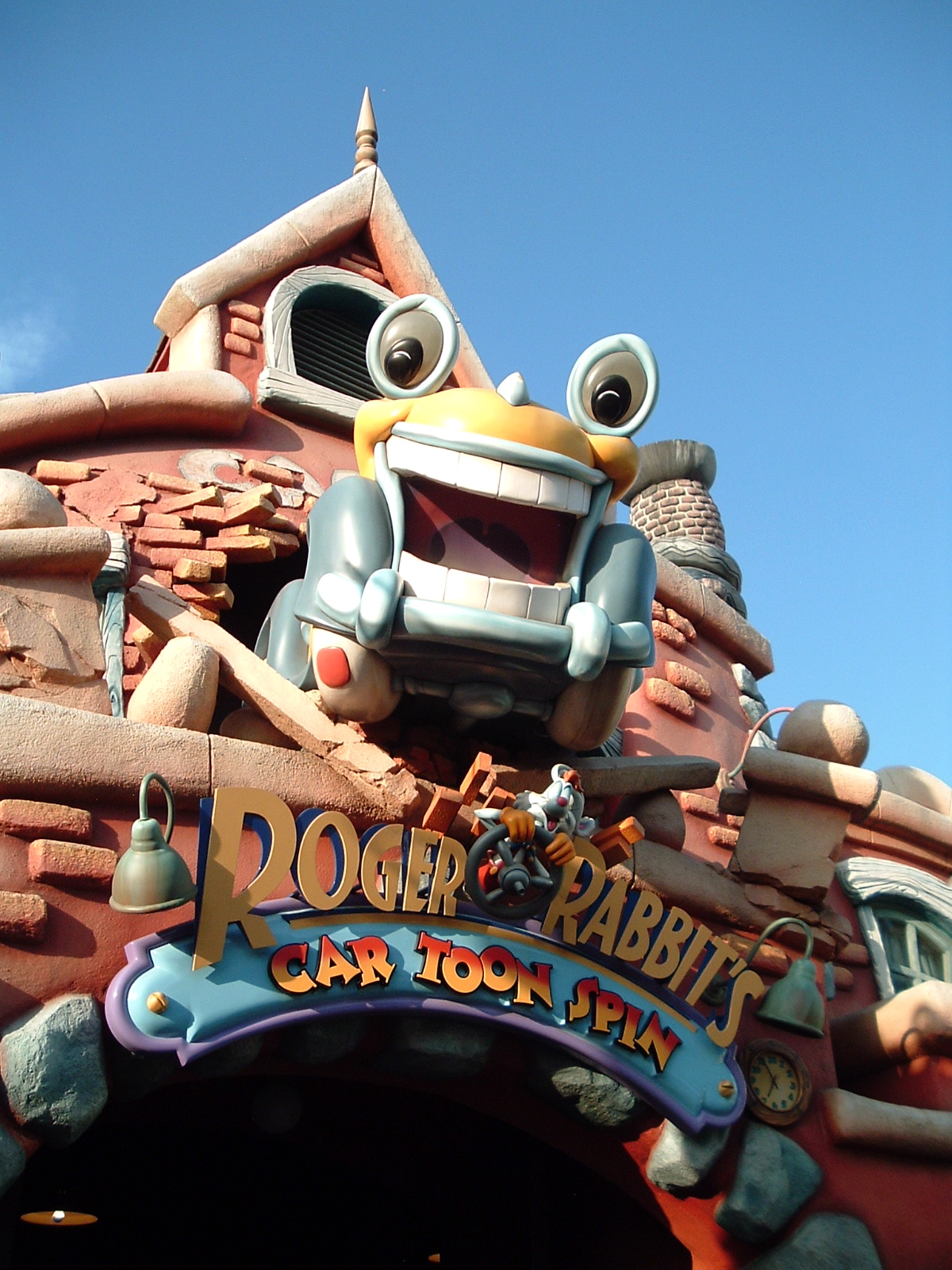
“Steer and spin a runaway taxicab through the wacky streets of Toontown as you follow the adventures of Roger Rabbit.”

On January 26, 1994, the Mickey’s Toontown attraction Roger Rabbit’s Car Toon Spin opened. It is notable for being the first dark ride to be built at Disneyland in about ten years. Based on the film Who Killed Roger Rabbit?, guests are taken through the streets of Toontown while riding in Lenny the Taxicab, exploring a back alley while working to avoid the toxic concoction Dip being poured by the villainous weasels. Guests have the ability to steer their cab a full 360 degrees so they can gain control through the ride, even riding the attraction backwards if they would like. The attraction features 17 Audio-Animatronic characters, 59 props, and 20 special effects. A version of this attraction was opened in Tokyo Disneyland on April 15, 1996.