RSS Feed

Tag Archives: Animator

October 22

October 22, 1991 – The 1991 Class of Disney Legends is Inducted

DL_MB

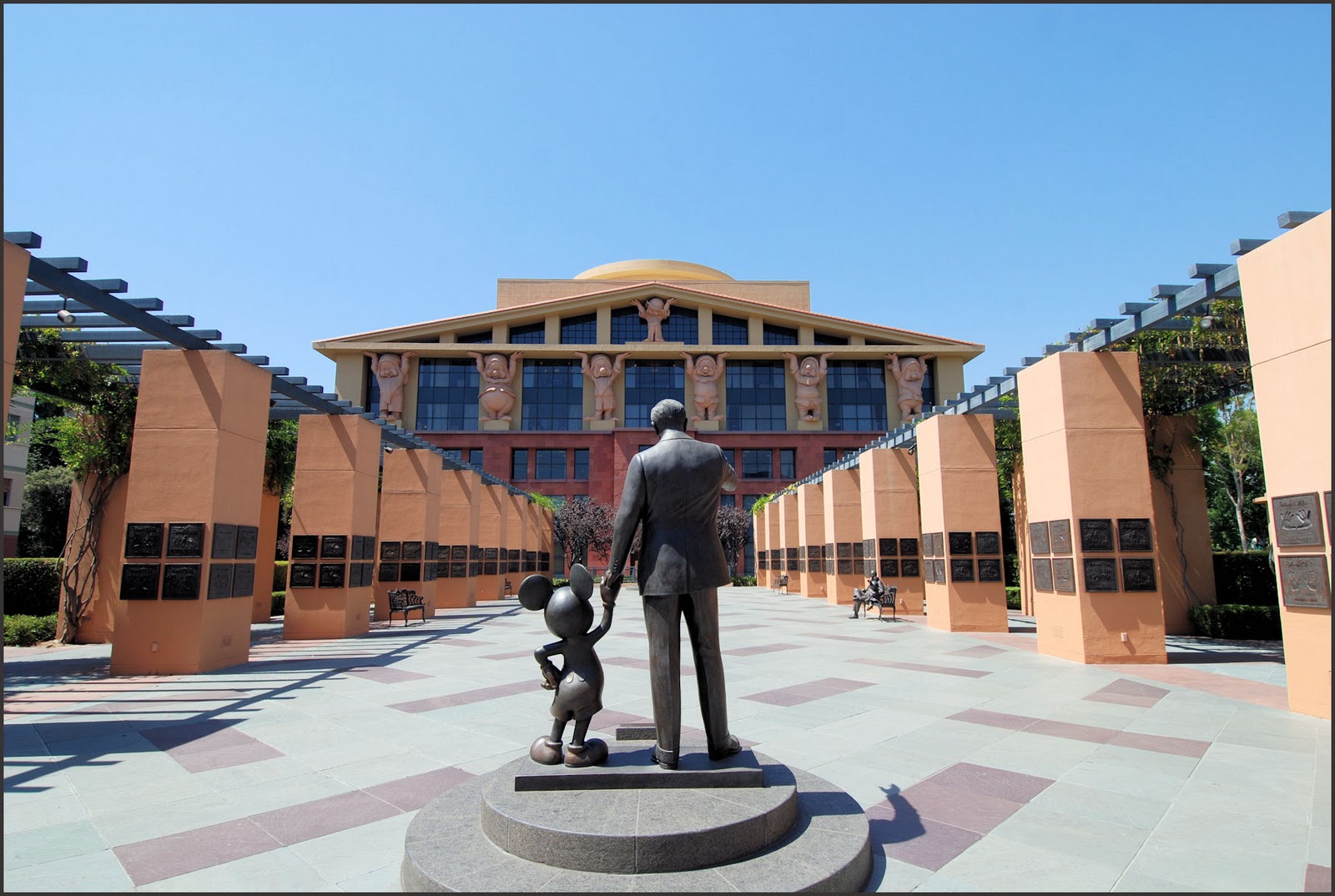
“Disney Legends honor the many individuals whose imagination, talents and dreams have created the Disney magic.”

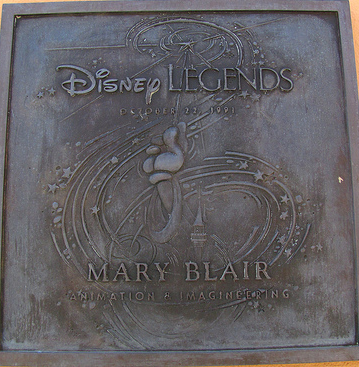
On October 22, 1991, the 1991 class of Disney Legends was inducted, giving nine talented men and women the distinction from all ranges of Disney. They included Ken Anderson (Animation and Imagineering), Julie Andrews (Film), Carl Barks (Animation and Publishing), Mary Blair (Animation and Imagineering), Claude Coats (Animation and Imagineering), Don DaGradi (Animation and Film), Sterling Holloway (Voice), Fess Parker (Film and Television), and Bill Walsh (Film & Television). Blair, DaGradi, and Walsh were awarded posthumously.

July 27

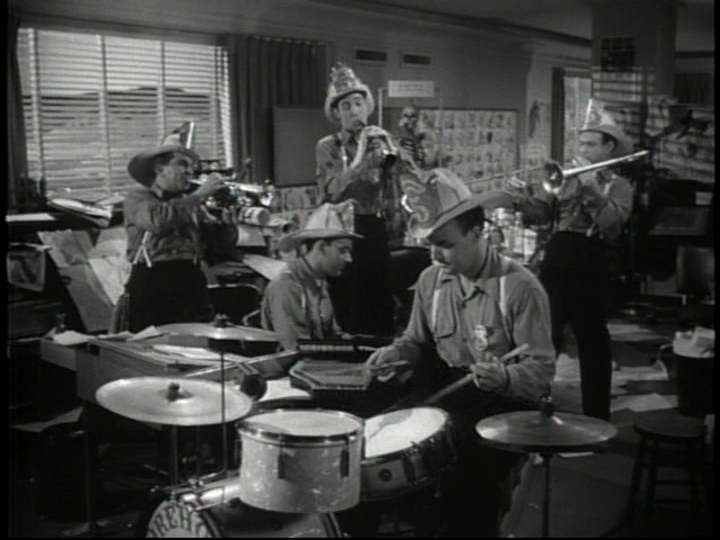
July 27, 1962 – The Firehouse Five Plus Two Records at the Golden Horseshoe

vlcsnap-2014-07-27-20h56m24s104

“The happiest band I have heard in a long time.”

On July 27, 1962, the Dixieland jazz band Firehouse Five Plus Two recorded their performance at the Golden Horseshoe in Disneyland. The band was made up of several Disney employees, including leader Ward Kimball, Frank Thomas, Harper Goff, Danny Alguire, Clarke Mallery, Monte Mountjoy, and Ed Penner. This would be the first of two performances recorded and later released on albums through the Good Time Jazz Records label.

June 26

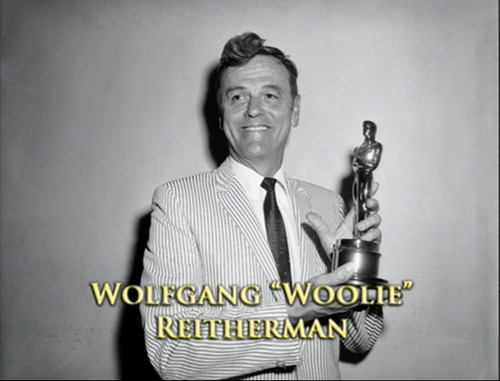
June 26, 1909 – Animator, Member of Disney’s Nine Old Men, Director, and Disney Legend Wolfgang “Woolie” Reitherman is Born

WolfgangReitherman

“I just felt [animation] was a twentieth century art form, probably the most unique of anything that had appeared on the art horizon for decades since perspective. I was just fascinated because you could move those things. You can’t move a painting.”

On June 26, 1909, Wolfgang Reitherman was born in Munich, Germany. His family moved to California when Reitherman was an infant. Fascinated with airplanes from a young age, he attended the Pasadena Junior College to study aircraft engineering, and later got a job at Douglas Aircraft as a draftsman. Reitherman changed his career path in 1931 to study his other passion of art, enrolling in the Chouinard Art Institute, studying watercolor. As fate would have it, Reitherman met an instructor who taught at the Disney Studios, and in 1933, Reitherman joined the company in the animation department. When World War II began, Reitherman served in the Air Force, earning the Distinguished Flying Cross for his services in Africa, China, India, and the South Pacific. He returned to the studio after the war, and contributed to more than 30 Disney short films throughout his career, including Water Babies and Donald in Mathmagic Land. Reitherman also contributed to several feature animated films, including Snow White and the Seven Dwarfs, Cinderella, and One Hundred and One Dalmatians.

Reitherman’s first foray into directing came with the animated feature film Sleeping Beauty. In 1961, Reitherman was named co-director of the film One Hundred and One Dalmatians alongside Hamilton Luske and Clyde Geronimi. In 1963, Reitherman was named the director of the film The Sword in the Stone, a first for an animator in the studio’s history. He would continue to serve as an animator of Disney features, which include The Jungle Book, The Arisocats, Robin Hood, and the cartoon feature Winnie the Pooh and the Blustery Day. A trademark in Reitherman’s films was the reuse of animation, as evidenced in Robin Hood’s “Phoney King of England” scene, which borrowed heavily from Snow White and the Seven Dwarfs. In 1981, Reitherman retired from the Disney Studios, having dedicated nearly 50 years of his life. Unfortunately, Reitherman died in a car accident on May 22, 1985, in Burbank, California. As a tribute to his life and his work at Disney, he was honored as a Disney Legend in 1989.

May 8

Posted on

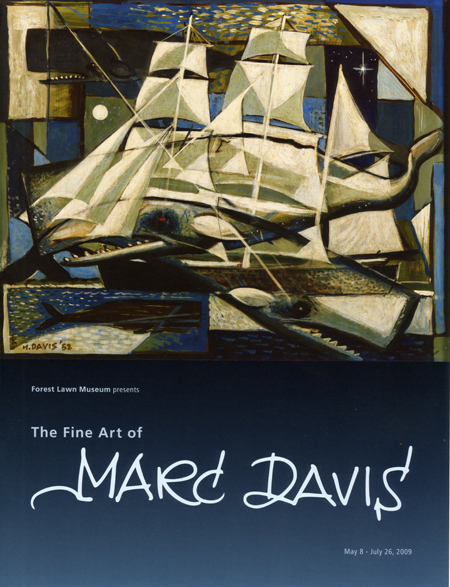
May 8, 2009 – The Forest Lawn Museum Presents “The Art of Marc Davis” Exhibit

marc_davis1

“I only wish Marc could be here to see it.” – Disney Legend and Wife of Marc Davis, Alice Davis

On May 8, 2009, the Forest Lawn Museum, located in Glendale, California, hosted an exhibit called “The Art of Marc Davis,” featuring the works of Disney Legend and member of the Nine Old Men, Marc Davis. The exhibit featured work Davis did outside of Disney, mainly comprised of Greek mythology, ships, and harlequins. The exhibit was a long time dream for Davis’ wife Alice, as many people were unaware of the body of work Davis had outside of the studio, which he worked on in the evenings as he watched television. The show was held until July 26, 2009.

March 13

March 13, 1960 – Animator, Storyboard Artists, and Disney Legend Joe Ranft is Born

vlcsnap-2014-03-13-16h11m59s180

“Joe was really a major part of Pixar’s soul. He was one of the key players who made all the films what they are.” – Director Pete Doctor

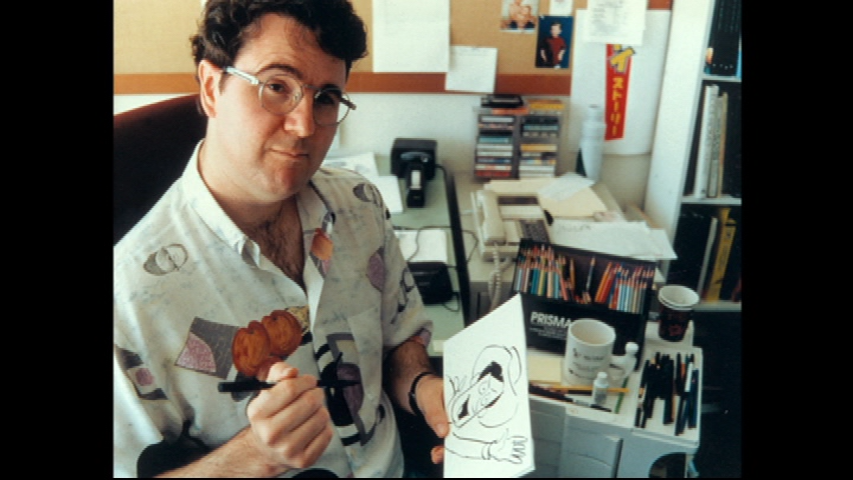
On March 13, 1960, Joseph Henry Ranft was born in Pasadena, California, and grew up in Whittier. He had a strong interest in movies, magic, and performing, all things that would impact his career. In 1978, Ranft enrolled in the California Institute of the Arts, where he studied Disney-style animation alongside future collaborators John Lasseter and Brad Bird. In 1980, Ranft accepted a job offer from Disney, and earned a quick reputation as an outstanding story artist. He contributed to the story of several films, including Oliver and Company, Who Framed Roger Rabbit, Beauty and the Beast, The Lion King, and Fantasia 2000. In 1991, Ranft began working for Pixar, working on the story for their first computer-animated feature film, Toy Story. His knack of performing and impressions got him hired as the voice of Heimlich in the studio’s second film, A Bug’s Life; he would continue writing and performing on Toy Story 2, voicing Wheezy the penguin, and had writing credits for Monsters, Inc. and Cars. Unfortunately, Ranft was killed in a car accident on August 16, 2005, leaving behind a legacy of storytelling and a reputation as a “story giant of our generation,” as relayed by director Henry Selick. Ranft was named a Disney Legend in 2006.

February 3

February 3, 1986 – Pixar Animation Studios is Founded

vlcsnap-2014-02-03-05h09m14s140

“The best scientists and engineers are just as creative as the best storytellers.” – Steve Jobs

On February 3, 1986, the Pixar Animation Studios was founded by Ed Catmull, Alvy Ray Smith, and Steve Jobs. Its history goes back to 1979, when Ed Catmull was recruited by George Lucas to head Lucasfilm’s new Computer Division. In 1983, after being fired by Disney, Jon Lasseter was brought on to the graphics group of the Computer Division as an “interface designer,” with the goal of having Lasseter bring the group one step closer to the dream of creating a computer animated film. Working together, the group created the short film The Adventures of Andre & Wally B, which was shown at the computer graphics conference SIGGRAPH to critical acclaim for its groundbreaking software developed to create the squash-and-stretch and motion blur techniques. The group also created the Pixar Image Computer, used mostly in government and medical communities (although Disney purchased a number of computers for what would later become the Computer Animation Production System, or CAPS). However, although this software and computer were the most powerful and impressive of their day, Lucas’ interest in the company waned, as he didn’t want to run a company selling software. Catmull and Smith gained Lucas’ blessing to spin off the company and call it Pixar, and found an investor in entrepreneur Steve Jobs, who invested $10 million into the struggling group.

In 1987, Pixar’s short film Luxo Jr. became the first 3D computer animated short film to be nominated for an Academy Award, and the lamp became the symbol of the company; in 1989, Pixar would win an Academy Award for their short film Tin Toy. To keep the company afloat while still working toward their dream, Pixar did commercial work for companies like Tropicana and Trident Gum. Pixar was then able to work on a collaborative effort with Walt Disney Studios, helping develop CAPS further, and Pixar also developed RenderMan, which became an industry standard in computer graphics. Despite all these technical advancements, the company was not able to make a profit, and Jobs contemplated selling it, with Microsoft being one of the potential buyers. Lasseter pitched an idea to the Walt Disney Studios about Pixar creating a 30 minute holiday special based on the award winning short Tin Toy; Disney thought that the short had a potential of being a full-length feature film, and gave Pixar the chance of reaching their dream. The film, Toy Story, became a spectacular success, grossing over $360 million at the box office. Since then, Pixar founded their studio in Emeryville, California, in 2000, and in 2006, was purchased by Disney. Pixar has had an unprecedented string of hits unlike any studio in history, with hit films including a bug’s life, Monsters, Inc., Finding Nemo, The Incredibles, Cars, Ratatouille, WALL-E, Up, and Brave.
October 25

October 25, 1904 – Animator and Disney Legend Bill Tytla is Born

vlcsnap-2013-10-25-19h19m42s136

“Whatever [Bill Tytla] animated had the inner feelings of his characters expressed through very strong acting. He did not just get inside Stromboli, he was Stromboli and he lived that part.” – The Disney Villain

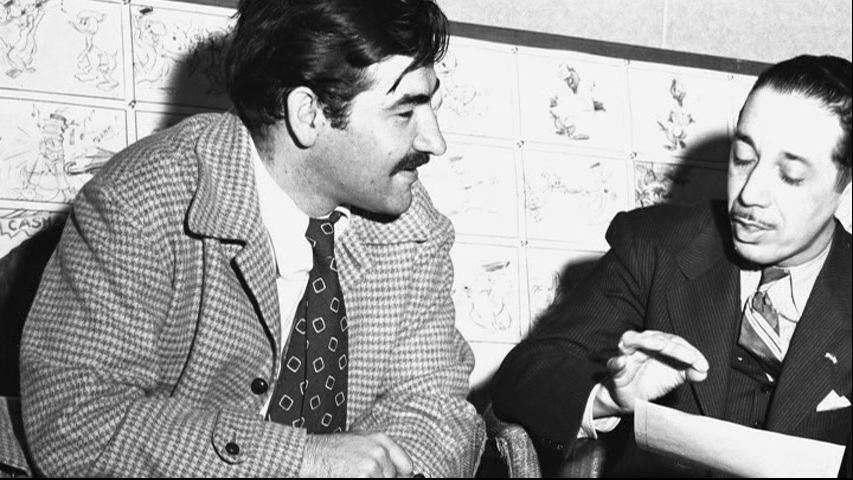
On October 25, 1904, Vladimir Peter Tytla was born in Yonkers, New York, the son of Ukranian immigrants. Having shown a talent for art at an early age, it was after seeing a filmstrip of Gertie the Dinosaur by famed cartoonist and animator Winsor McCay that he was inspired to go into animation. At the age of 16, Tytla was hired by the Paramount Animation Studio to letter cards. He later worked at Paul Terry’s animation studio, then enrolled in the Art Students League; in 1929, he traveled to Paris to study painting. On his return, he continued working for Terry Studios, but when his friend Art Babbitt moved to California to work for Disney, he followed his friend soon after and joined the studio in 1934 on a trial basis. Tytla soon showed his great animation skills on three shorts: The Cookie Carnival (gingerbread boy and girl, as well as the angel food cake and devil’s food cake rivalry), Mickey’s Fire Brigade (Clarabelle Cow), and Cock o’ the Walk (the rooster, his first “heavy” role at the studio). Seeing great potential in Tytla and Babbitt, Walt Disney gave them more responsibility, and a greater salary, making the two the highest paid artists in the studio. For the first full-length feature Snow White and the Seven Dwarfs, Tytla worked with Fred Moore to create the personality of each of the dwarfs. After the success of Snow White, Tytla was given the role of Stromboli in the second film Pinocchio. His skill with animation and understanding characters made Stromboli one of the most powerful and frightening villains in Disney films. However, Tytla’s best and most-known role was that of Chernabog in Fantasia, which was said to have been based on Bela Lugosi, although Wilfred Jackson was the live-action reference for the character that Tytla actually used. He would also animate Yen Sid in The Sorcerer’s Apprentice sequence of the same film.

Tytla wished for a change in his roles, and requested the title role in the upcoming film, Dumbo. He got the job, and based the character on his infant son, Peter. Around the same time, a strike was brewing at the Studio, and Tytla, along with Art Babbitt, joined the strike, feeling sympathy for those assistant and production crew members being paid low salaries. Fortunately, he finished his scenes in the film before he joined the picket line. After the strike ended, he rejoined the studio, but the atmosphere had changed significantly. In 1943, due to several factors – including a bout of tuberculosis and a desire to live with his family back on his Connecticut farm – Tytla resigned from the studio, a decision he regretted for the rest of his life. He continued to work in animation for the Terry Studio, and Tempo Productions, but always tried to rejoin the studio. Tytla passed away on December 30, 1968, at age 64. He was named as a Disney Legend in 1998.

October 18

October 18, 1990 – The 1990 Class of Disney Legends are Inducted

Legends02

“Any mechanical things you had to do, what you said was, ‘Call Roger, he’ll know how to fix it.’ Without [Roger Broggie], Disneyland wouldn’t have happened.” – Michael Eisner, then CEO of the Walt Disney Company

On October 18, 1990, the new 1990 class of Disney Legends were inducted at the special ceremony at the Disney Legends Promenade. Among those inducted were Roger Broggie (Imagineering), Joe Fowler (Attractions), John Hench (Animation and Imagineering), Richard Irvine (Imagineering), Herb Ryman (Imagineering), and Richard and Robert Sherman (Music). Irvine and Ryman were the only ones awarded posthumously; since the ceremony, Broggie, Fowler, Hench, and Robert Sherman have passed away. Broggie was known as Disney’s original Imagineer, beginning work in 1939 at the company as a precision machinist. Fowler, a retired ship builder, was invited personally by Walt Disney to lead construction of Disneyland. Hench began at Disney as a sketch artist in 1939, and moved to the Imagineering department in 1954; he was also awarded an Academy Award for his special effects work on the live-action film 20,000 Leagues Under the Sea, and was Mickey Mouse’s official portrait artist. Irvine helped create what is now known as Walt Disney Imagineering, creating leading a team of Imagineers to create Disneyland. Ryman created the preliminary sketches of the park, and was able to turn Walt Disney’s ideas into drawings from which the Imagineers could work. The Sherman Brothers were well known for creating some of the most memorable songs for Disney films, and are best known for their work on the classic film Mary Poppins.

October 9

October 9, 2006 – The 2006 Disney Legends are Inducted at the Walt Disney Company Headquarters

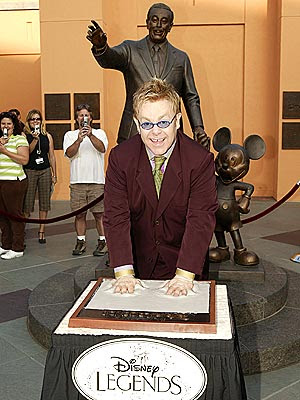
The 2006 Disney Legends Elton John

“As we continue the tradition this year, we also mark a special milestone as we welcome our 200th Disney Legend” – President and CEO Robert A. Iger

On October 9, 2006, the 19th Disney Legends ceremony took place at the Walt Disney Company Headquarters, with 12 new Legends inducted from several different fields, including music, journalism, and business. The inductees included Sir Elton John, news anchor Peter Jennings, animation story artist Joe Ranft, voice actor Paul Frees, Imagineer Don Edgren; background artist Al Dempster, founder of Walt Disney Records Jimmy Johnson, and actors Tommy Kirk, Kevin Corcoran, Tim Considine, David Stollery, and Ginny Tyler. Jennings, Frees, Johnson, Dempster, and Ranft were all awarded posthumously. Presiding over the ceremony was President and CEO Bob Iger, Chairman Dick Cook, Roy E. Disney, and Executive Vice President and Imagineering Ambassador Marty Sklar.

October 8

October 8, 1907 – Animator and Disney Legend Art Babbitt is Born

vlcsnap-2013-10-08-19h57m36s251

“Art said we only scratched the surface of what animation can do.” – Animator Greg Duffell.

On October 8, 1907, Arthur Harold Babitsky, better known as Art Babbitt, was born in Omaha, Nebraska. He and his family moved to Sioux City, Iowa, while he was still young; after his father suffered a paralyzing accident at work, Babbitt moved to New York to provide for the family, beginning his career at the Terrytoons Studio for Paul Terry. It was there that he met fellow future Disney Legend Bill Tytla, and the two applied for, and won positions, at the Disney Studios in California. Babbitt began as an assistant animator, but was soon promoted. One of the crowning achievements from the early part of his career at Disney was his animation of the drunken Abner Mouse in the Silly Symphony The Country Cousin, which won an Academy Award. Babbitt was given the plum assignment of animating the Wicked Queen in the studio’s first full-length feature, Snow White and the Seven Dwarfs. He was then given the role of directing animator and task of animating the character of Gepetto in Pinocchio, a film he regarded as one of the finest features ever created during the Golden Age of Animation. Babbitt is also credited with the creation of the character Goofy and bringing him to stardom with the addition of Goofy’s unique clumsy manner. Babbitt’s place at the studio was jeopardized with his participation in the Animator’s Strike of 1941. Babbitt was sympathetic with the artists, in-betweeners, and other less-well paid employees that wished for form a union. After Disney fired Babbitt for being a “troublemaker” due to his part in the union, the strike began the very next day, with Babbitt being named as one of the leaders. Babbitt’s involvement caused a rift between Disney and himself, one that never really healed. After the strike ended, Disney was forced to re-hire Babbitt, although Babbitt would end up fired several times. For these instances, Babbitt took his case against Disney all the way to the Supreme Court of the United States. However, Babbitt soon left the studio to join UPA instead. In 1991, Roy E. Disney contacted Babbitt and ended the feud between the studio and the animator, and when Babbitt passed away in 1992, former rivals Frank Thomas and Ollie Johnston gave touching tributes at his funeral. Babbitt was named as a Disney Legend in 2007.