RSS Feed

Tag Archives: 1940s

December 26

December 26, 1947 – The Pluto Short Film Pluto’s Blue Note is Released to Theaters

vlcsnap-2013-12-26-20h01m58s31

“’Twas a moment like this, do you remember?”

On December 26, 1947, the Pluto short film Pluto’s Blue Note was released to theaters. It features the song “You Belong to My Heart” from the 1945 animated feature film The Three Caballeros. The short was directed by Charles Nichols, with story by Milt Schaffer and Jack Huber.

The birds are singing on a lovely spring day, but are soon interrupted by the sound of Pluto trying to join them in their tweeting. However, Pluto’s singing is rather awful, as the birds point out before they fly away. Pluto then decides to sing along with a bee’s buzzing, but once again is informed that his singing is terrible. Suddenly, Pluto hears the sound of a strange tune coming from the music store across the street. Entranced by the tune, Pluto starts dancing along. When he starts singing with it, however, the store owner pulls the radio away from the howling dog. Pluto sneaks inside the store to listen to the radio, and accidentally turns on a record player, with his tail acting as the needle. When he opens his mouth, the music from the record player comes out, and Pluto is overjoyed at this development.

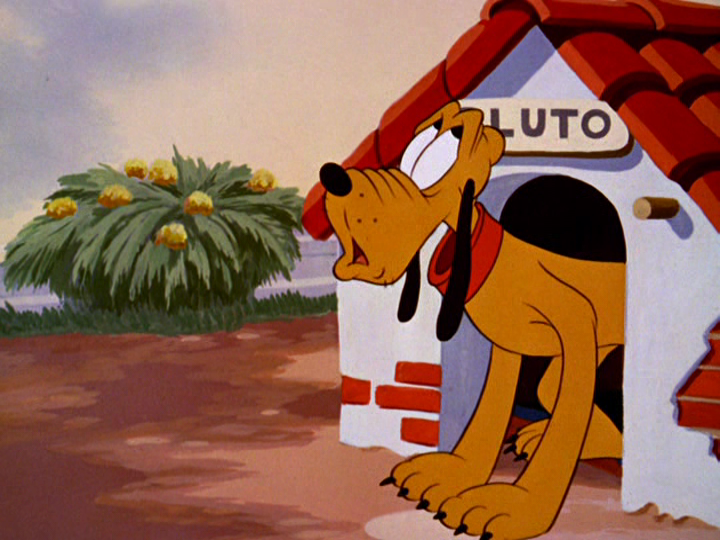
Pluto begins his crooning, thanks to the record player hidden in his doghouse

Pluto begins his crooning, thanks to the record player hidden in his doghouse

Pluto then gets an idea, and when the birds come back, he uses the trick to pretend that he can sing with a beautiful voice. The female dogs of the neighborhood start screaming with joy when they hear his “singing,” and Pluto hams it up for the audience. Near the end of the performance, his ruse is almost exposed when the record starts skipping, but Pluto manages to quickly fix it and finish the song, with all the female dogs fainting from his crooning. The short ends with Pluto giving a smile to the audience.

December 8

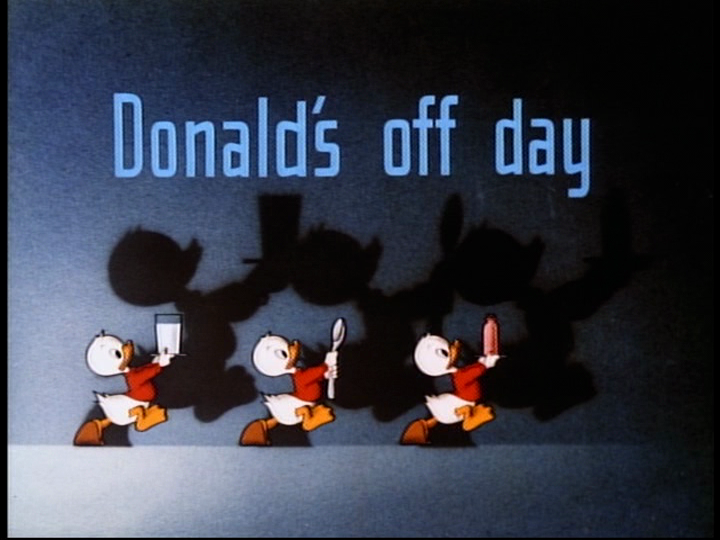
December 8, 1944 – The Donald Duck Short Film Donald’s Off Day is Released to Theaters

vlcsnap-2013-12-08-18h52m50s210

“Are you a well man? You may think so, but you probably need a doctor. Call Dr. Quack at Maine-13-uh-oh, or you may be a dead duck.”

On December 8, 1944, the Donald Duck short film Donald’s Off Day was released to theaters. It was the first short directed by Jack Hannah, who would go on to direct over 90 short films. The story was written by Bill Berg and Dick Shaw.

The sun is rising over the hill, shining through Donald’s window while someone is singing for the duck to get out of bed. His alarm then goes off, but he still doesn’t move from his bed, until the alarm clock falls over. He excitedly shoots out of bed to perform his morning exercises before getting ready for his big golf day. He rushes by the nephews and excitedly steps out, only to be greeted with a sudden storm. Dejectedly, he turns around and heads back inside, but stops when the storm suddenly disappears. As he marches off again, the storm returns, and Donald throws his hat down angrily, railing at the rain.

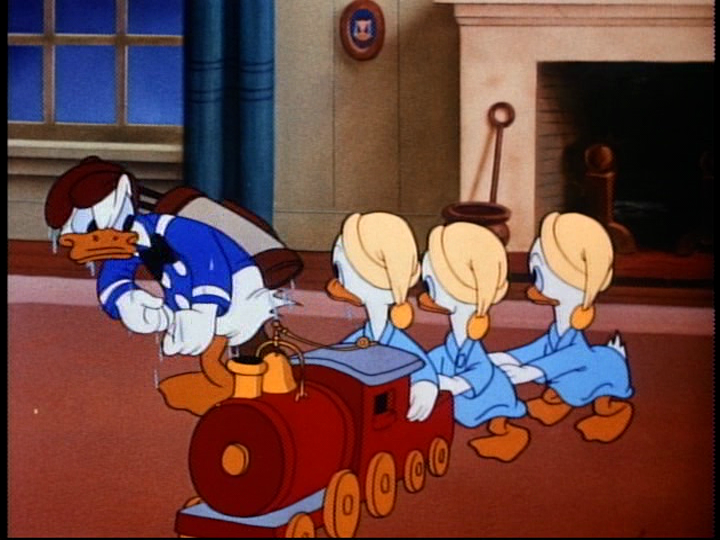
Donald storms back into the house, ready to unleash his frustration on his nephews

Donald storms back into the house, ready to unleash his frustration on his nephews

Donald goes back inside and starts yelling at his nephews, sending them to their room. He then sits by the radio, eating licorice, when he decides to pull out a book on diseases and their symptoms. Coincidentally, an ad for a Dr. Quack starts to play on the radio, warning Donald that he may need a doctor. He starts to flip through the book, and starts seeing symptoms for random diseases (a coated tongue, for instance, forgetting that he did just eat licorice). The nephews see Donald worrying, and decide to play a prank on him, making him believe he really is unwell. Donald, thinking he is unable to see, starts wandering around blindly before collapsing on the floor. The nephews put him on the couch and start attending to his needs before continuing their prank with a squeak toy which Donald believes to be his heart.

Donald, convinced he’s dying, pulls his nephews close and gives him his will, which bequeaths them his precious golf clubs. As Donald lies panicking, he suddenly notices that what he thought was his heart is the squeak toy, and catches his nephews in the act. He storms after them, recalling all they did to torment him, and as the nephews cower in the corner, awaiting his rage, the sun suddenly begins to shine. Forgetting his anger, Donald runs for his golf clubs and sprints outside, although he is struck by lightning the moment he steps out the door.

December 3

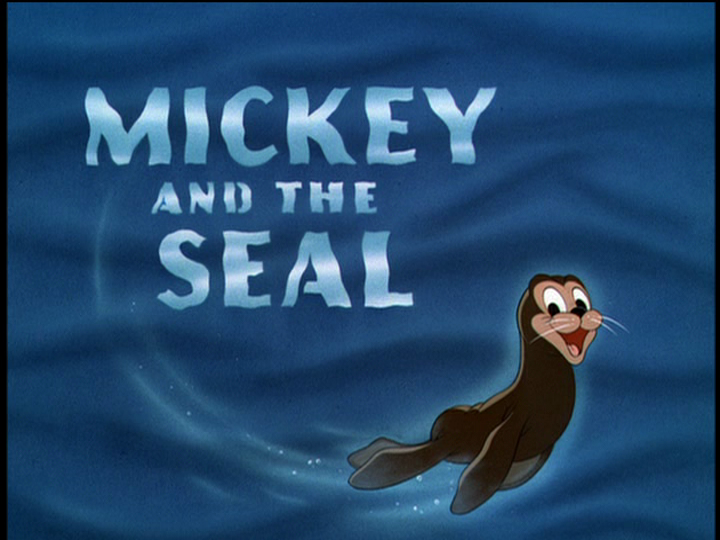
December 3, 1948 – The Mickey Mouse Short Film Mickey and the Seal is Released to Theaters

vlcsnap-2013-12-03-16h18m38s63

“Look who followed me home, Pluto!”

On December 3, 1948, the Mickey Mouse short film Mickey and the Seal was released to theaters. The short was nominated for an Academy Award, but lost to the Tom & Jerry short film The Little Orphan. The short was directed by Charles Nichols, with story by Nick George and Milt Schaffer.

The short begins in the seal park, where Mickey is feeding fish to the barking seals. He throws one into the seal pen, which is scarfed up by the smallest seal of the bunch, who performs tricks for Mickey in order to get more fish. When Mickey announces he has no more fish for the day, the baby seal decides to hide inside Mickey’s picnic basket, hoping to find more fish in Mickey’s home. Mickey takes the basket home, and is greeted by Pluto. Pluto is rather upset that there’s no food in the basket left for him, and he sulks until the basket starts to bark. The baby seal jumps out of the basket, scaring the poor dog, and Pluto tries to warn Mickey, who has started preparing a bath. Unfortunately, Mickey thinks Pluto is just messing around, and scolds him before ordering him outside.

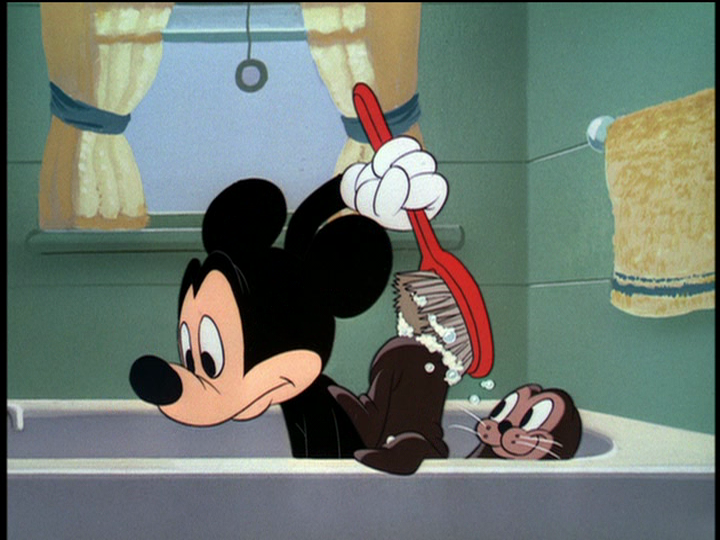
Mickey notices something is wrong when he is scrubbing something, but it's not his back

Mickey notices something is wrong when he is scrubbing something, but it’s not his back

The seal has started exploring Mickey’s home, and when he discovers the bathtub, he decides to jump right on in. Mickey then enters the tub and starts washing, unaware that the seal is in the tub. He soon notices something is up when the seal starts using his scrub brush on his head. Pluto tries to alert Mickey in the bathroom window, but Mickey just pulls down the shade. Mickey soon discovers the seal in his tub, but instead of being angry, he protects the seal from an angry Pluto. Mickey jokes that they’ll keep him for a pet, but instead decides to return him to the seal park. As Mickey and Pluto walk away, the seal explains to his friends all about his adventures in Mickey’s house. When Mickey arrives home, he is surprised to find all of the seals in his bathroom, using the tub. Pluto glares at Mickey, but all Mickey can do is smile sheepishly.

November 28

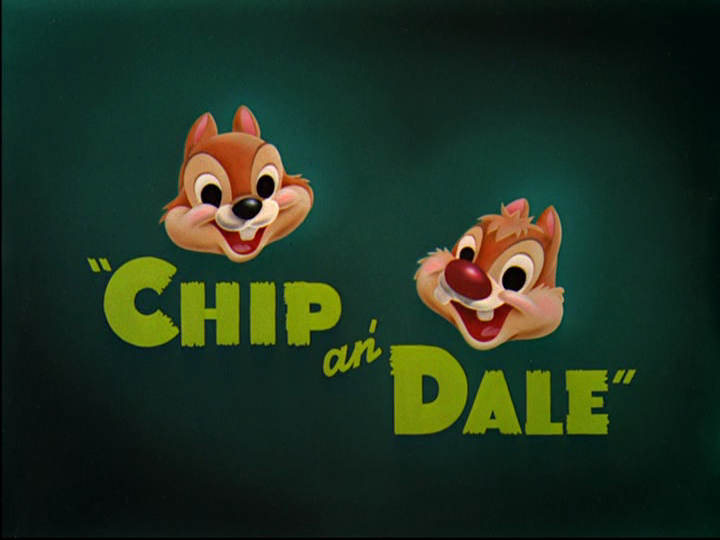
November 28, 1947 – The Donald Duck Short Film Chip an’ Dale Premieres in Theaters

vlcsnap-2013-11-28-08h22m53s6

“Doggone freezing weather. A guy never gets a chance to sleep around here.”

On November 28, 1947, the Donald Duck short film Chip an’ Dale premiered in theaters. This short is the first time the two chipmunks have been named, and also marks the first time they are Donald’s adversaries. The short was nominated for an Academy Award, but lost to Warner Brothers’ Tweetie Pie. The short was directed by Jack Hannah, with story by Dick Kinney and Bob North.

A snowstorm is raging outside, and inside his cabin, Donald is trying desperately to stay warm. He notices that the snow has come down his chimney and put out his fire. Out of firewood, he decides to go out with his axe and chop down a nearby dead tree, unaware that Chip and Dale live inside with their stores for the winter. The chipmunks watch as Donald takes off with their home, and follow him into his cabin. They sneak past him to reclaim their nuts, but are unable to grab them before Donald starts the fire. Once again, they try to sneak past him, and decide to put out the fire themselves.

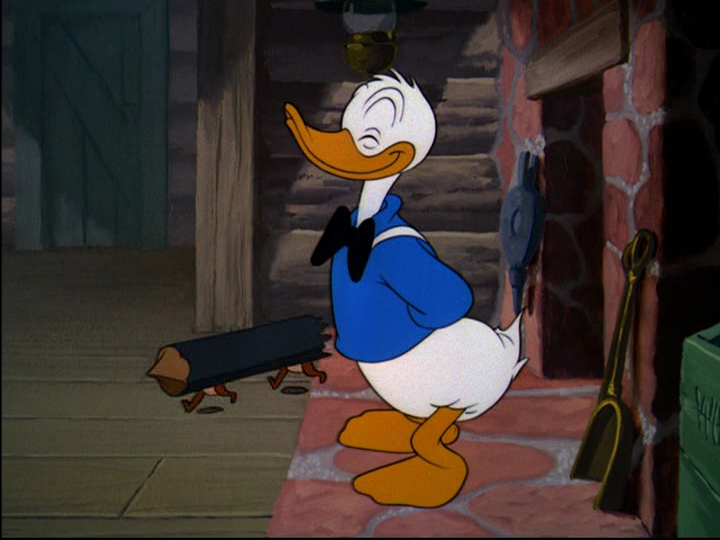
As Donald enjoys the fire he's made, he's unaware that the two chipmunks are taking away the log

As Donald enjoys the fire he’s made, he’s unaware that the two chipmunks are taking away the log

As Donald thinks he’s enjoying the fire, he suddenly notices the log walking right in front of him. He lets them walk out the door, taking the log as they go, and slams the door behind them. The chipmunks take another approach of dropping snowballs down the chimney, putting out the fire. Donald traps the two in a snowball and sends them flying down the roof before starting his fire again. Chip gets the idea of rolling a snowball down a steep hill on a clear collision course with Donald’s cabin. When Donald opens the door, the giant snowball sends him flying into his backdoor, encased in snow. The two chipmunks walk happily away with their log, but not before Dale is able to give Donald a well-placed kick in the rear.

November 22

November 22, 1940 – The Goofy Short Film Goofy’s Glider is Released to Theaters

vlcsnap-2013-11-22-19h17m17s82

“I’m brave! But I’m careful.”

On November 22, 1940, the Goofy short film Goofy’s Glider was released to theaters. It is the second Goofy short released. The short was directed by Jack Kinney.

The short begins with Goofy voraciously reading a copy of “How to Fly.” He excitedly puts the book away and, believing he can fly, attempts to take off in a homemade glider with his legs sticking out. He starts skipping towards the gate, and breaks into a run. He is unable to takeoff, however, as he flies straight into the gate. He then tries to pull his glider along as if he is flying a kite, and as he climbs up the rope to his glider, the glider sinks lower and lower, until he is submerged into a nearby pond. His next attempt involves Goofy riding a bicycle, and the glider takes off without him. Goofy crashes the bike and attempts to chase after his glider around the barn. The glider snags onto his suspenders, and pulls Goofy up into the air before they both crash into the ground.

Goofy tries again, this time with the catapult method. He climbs into the glider, but not before putting on a parachute pack. He climbs into the glider, and as he lets the catapult go, the glider is left behind while Goofy is catapulted into the air. He jumps down, and counts to ten to pull the string, but reaches the ground before he finishes the count. He then ties rollerskates to his feet, hoping they will give him enough speed to fly with the ramp he has built. He is able to go into the air with his glider, unaware that he is flying upside down. He flies through the barn and crashes, landing in a well. His last attempt involves gasoline, TNT, gunpowder, and a cannon. He is sent speeding through the air, circling around the world. The short ends with everyone singing a flying song along with Goofy.

November 11

November 11, 1946 – The Donald & Goofy Short Film Frank Duck Brings ‘em Back Alive is Released to Theaters

vlcsnap-2013-11-11-18h59m15s243

“Wanted – wild men. That ought to get me a wild man.”

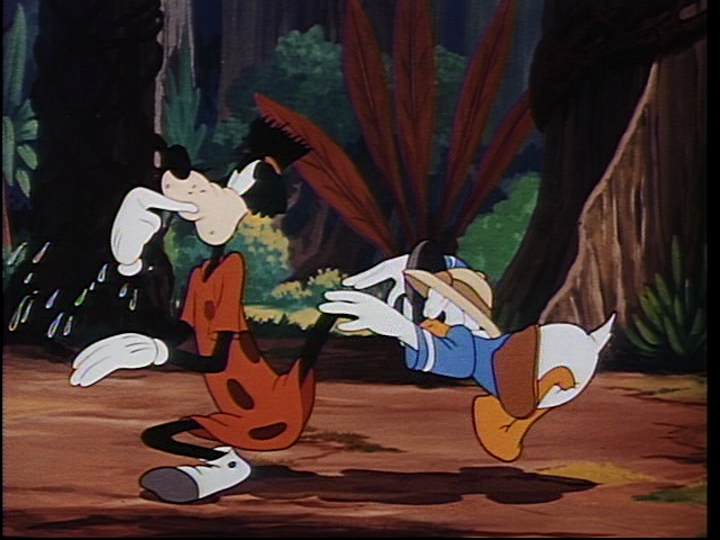
On November 11, 1946, the Donald & Goofy short film Frank Duck Brings ‘em Back Alive was released to theaters. This is the fifth short of the series starring Donald and Goofy, with six released overall. The short was directed by Jack Hannah, with story by Dick Kinney.

The short begins in the jungle, where “wild man” Goofy is swinging on the vines gracefully, performing various tricks. He soon spies a boat in the nearby river, and watches as it parks on the river’s edge. Donald, going under the guise of Frank Duck, posts up a sign on a nearby tree, announcing that he’s looking for wild men to join the circus. Goofy then decides to leap from the tree with a knife, ready to attack Frank. Unfortunately, as he falls, the rest of the attachments on his Swiss army knife fall out, and as he fixes it, he face-plants deep into the jungle floor.

Frank tries to retrieve the contract, but is unable to grab it before Goofy devours it

Frank tries to retrieve the contract, but is unable to grab it before Goofy devours it

Frank asks Goofy to sign the contract, but as he doesn’t know how to sign, he just scribbles on the dotted line before emptying the pen’s ink onto the paper and eating it like a sandwich. Frank tries to retrieve the contract, but is pushed back by Goofy’s leg. Frank is unable to chase after Goofy, and instead tries to bribe him with food. Goofy is finally tempted by a strawberry shortcake, and falls into Frank’s trap, catching him in a cage. As Frank carries the wild man away, the cage breaks off from its bottom, and Goofy is free, unbeknownst to Frank. Frank then sails away, realizing a bit too late that he’s lost his wild man, and hurries back to catch him again. Goofy takes to the vines again, but ends up tangling himself on a vine and tree branch. Unfortunately, Frank is still unable to catch him, and the chase continues through the jungle. Frank chases Goofy into a lion’s den, and both are soon pursued by the lion. Goofy escapes in Frank’s boat, and Frank is left to become the wild man of the jungle.

November 4

November 4, 1949 – The Pluto Short Film Sheep Dog is Released to Theaters

vlcsnap-2013-11-04-16h31m47s204

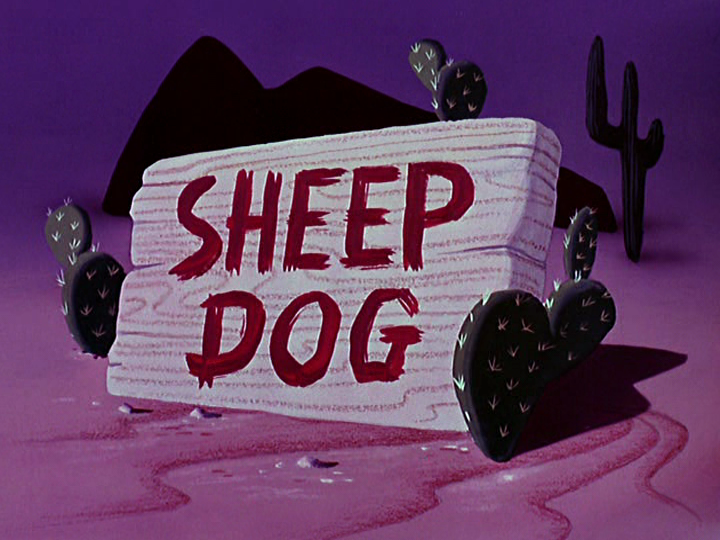
On November 4, 1949, the Pluto short film Sheep Dog was released to theaters. It was directed by Charles Nichols, with story by Eric Gurney and Milt Schaffer.

Pluto is herding his lambs back into their pen for the night, when he hears the cry of a coyote. He makes sure everything is secure before settling down for the night. Meanwhile, the coyote Bent-Tail and his cub are sneaking by, hoping to steal the lambs without Pluto noticing. The cub has a hard time listening to his father, as he is anxious to devour the lambs. Bent-Tail has to reign in Pluto, as the cub thinks Pluto could be a tasty meal as well. As the two sneak past Pluto, Bent-Tail gets the ides to disguise his son as a lamb so he can infiltrate the flock. The cub is able to pull a sleeping lamb to the fence, but wakes the lamb up. The lamb beats up the cub, which starts a chain reaction that ends with Pluto waking up and chasing the coyotes away from the pen.

As another measure of security, Pluto disguises himself as a lamb and settles down next to the flock. The coyotes try again, and the cub pulls Pluto away, thinking he is a giant lamb. Pluto pretends to keep sleeping, and once he is pulled out from under the gate, he chases after Bent-Tail, leaving the cub alone with the rest of the lambs. Pluto is sent on a wild goose chase, which leads back to the farm, where a giant fight breaks out. Bent-Tail manages to make it out with a lamb, and he races up the canyon and back to his cave. Unfortunately, he has only managed to pick up his disguised son, and howls with dismay.

October 5

October 5, 1949 – The 11th Disney Animated Feature Film, The Adventures of Ichabod and Mr. Toad, is Released to Theaters
vlcsnap-2013-10-05-17h16m12s116

“If you were asked to choose the most fabulous character in English literature, who would it be?”

On October 5, 1949, the 11th Disney animated feature film, The Adventures of Ichabod and Mr. Toad, was released to theaters. This was the sixth and final package film released by the studios, until 1977’s The Many Adventures of Winnie the Pooh. The two stories featured in this film were based on The Legend of Sleepy Hollow by Washington Irving, and The Wind in the Willows by Kenneth Grahame; the former was narrated by Bing Crosby, while the latter was narrated by Basil Rathbone. Due to the studios financial situation at the time, expenses were kept down on the film by reusing animation from earlier shorts and films, including the 1937 Silly Symphony The Old Mill. The two parts of the film were originally released separately when released on home video, but were finally combined into the complete feature once again starting with the laserdisc release in 1992. The film was directed by Jack Kinney, Clyde Geronimi, and James Algar, with story by Erdman Penner, Winston Hibler, Joe Rinaldi, Ted Sears, Homer Brightman, and Harry Reeves.

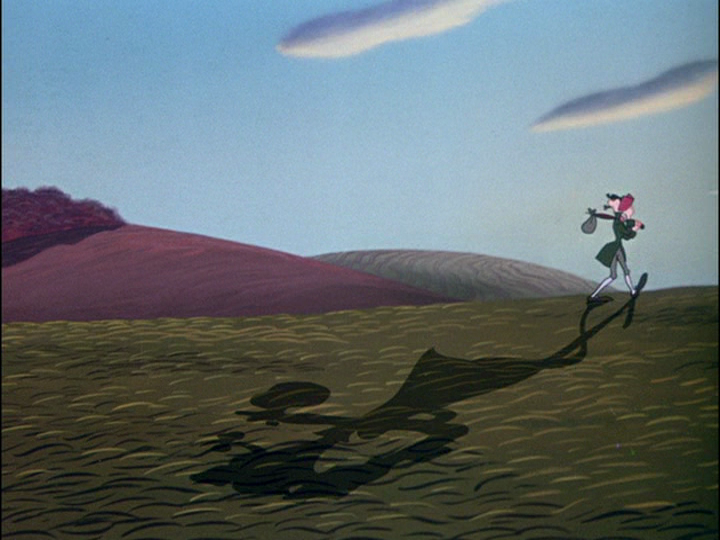
The film opens in a library, with the Basil Rathbone taking the audience through a list of fabulous characters in English literature, before introducing his choice: J. Thaddeus Toad, Esquire. Toad was an incurable adventurer, who only had three friends looking out for him: MacBadger, Mole, and Rat. This certain story begins with Mole being late for tea with Rat, when there is a knock at the door for Rat. He receives a special letter from MacBadger, who requests their presence at Toad Hall. Believing that Toad is once again up to trouble, they arrive to find a frazzled MacBadger, who had been working to put Toad’s affairs in order, as his adventures are driving Toad close to bankruptcy. MacBadger convinces the two of them to stop Toad from his new folly: parading around the countryside with a yellow gypsy cart and a horse named Cyril. When Rat and Mole try to convince Toad to give up his reckless behavior, Toad attempts to flee, when he comes across his new mania: a motor car.
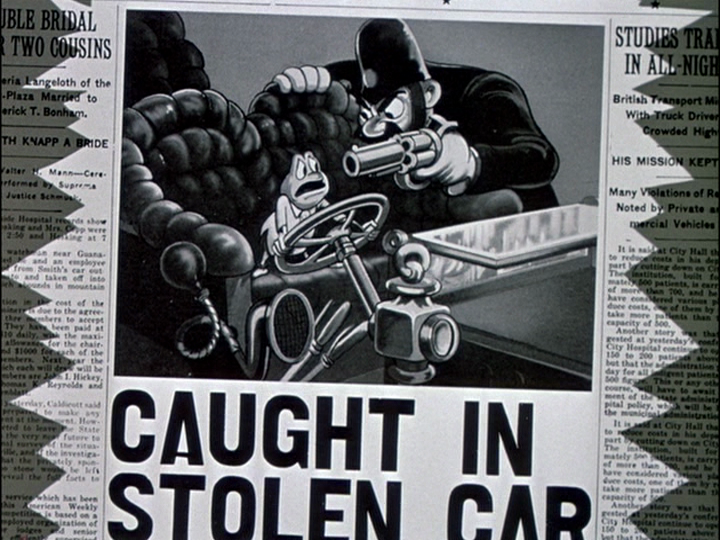
After a drastic attempt to feed his new mania, Toad is found and arrested for driving a stolen car

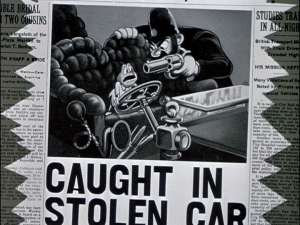
After a drastic attempt to feed his new mania, Toad is found and arrested for driving a stolen car

Rat and Mole take Toad back to Toad Hall and lock him in his room, keeping him there until the mania passes. That night, Toad sneaks out of the window and steals a motor car, and is promptly arrested. He is taken to court, where he defends himself. Cyril testifies that Toad headed to his place that night, and the two were walking when they saw the motorcar. It parked at a nearby pub, where the weasels driving the car exit. Toad goes inside the pub to buy the car from the weasels, not knowing that the car has been stolen. To pay for the car, he drew up a paper that signed over the deed to Toad Hall. The bartender arrives, tells the court that Toad tried to sell him a stolen motorcar, and Toad is promptly arrested. Around Christmas, Toad is seen serving his sentence in the Tower of London, and vows never to attempt such reckless behavior again. Cyril arrives to help Toad break out of jail, and soon the alarm sounds that Toad has escaped. The police are sent out all over London to find Toad, who is dressed as an old woman. He then boards a train and steals it, attempting to flee. He then jumps the train and lands in the river, but is weighed down by the ball and chain around his ankle.

Rat and Mole are the only people in England that remember Toad fondly, and are surprised to find Toad at their door. When there’s a knock at Rat’s door, Toad asks Rat to hide him, but they find MacBadger at the door. He tells them that Toad Hall has been taken over by the bartender, named Winkie, and the weasels; Winkie had lied on the stand, and Toad is completely innocent. MacBadger comes up with a plan to get the deed from Winkie to prove Toad’s innocence to the court. The four enter Toad Hall stealthily, and while Mole manages to grab the deed from the sleeping Winkie, their plot is foiled by a weasel watchman. A chase ensues around the hall for the deed, and the four manage to make it out of the Hall with the deed. Toad is exonerated, and he vows to be a new Toad, but this doesn’t last, as he shows off his new mania at the end: the airplane.
Bing Crosby narrates while introducing the story of the peculiar schoolteacher, Ichabod Crane

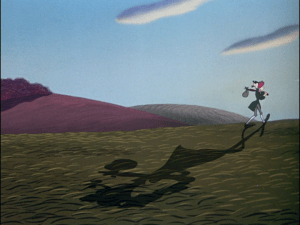
Bing Crosby narrates while introducing the story of the peculiar schoolteacher, Ichabod Crane

Bing Crosby then introduces the character of schoolmaster Ichabod Crane, who he describes as a “scarecrow eloped from a cornfield.” A group of men known as the Sleepy Hollow Boys are seen hanging out at the nearby pub, led by Brom Bones, and they notice Ichabod heading into town. Ichabod’s only weakness is food, and treats those students with great cooks for mothers with favor. He also improves his social standing by joining several societies, including the women’s choral society, where he plays the piano. Brom, who liked to cause mischief, decides to play pranks on Ichabod, although Ichabod doesn’t really mind. However, when Ichabod sets his eyes on Katrina van Tassel, daughter of the richest farmer in the county, Brom ups his pranks, seeing him as his rival.

Katrina invites Ichabod personally to a party at her father’s home for Halloween, and he is excited at the prospect of being Katrina’s beau, much to Brom’s annoyance. Brom then comes up with a plan to get Katrina away from dancing with Ichabod, but Ichabod is able to reclaim Katrina. No matter what Brom does, he is unable to best Ichabod for Katrina’s affections. At midnight, the guests begin to tell ghost stories. Brom realizes that this is his chance, as Ichabod is one of the most superstitious people he knows, believing in the existence of ghosts and spirits. Brom then tells the story of the Headless Horseman, which spooks Ichabod terribly. On his way home, he tries to calm himself by whistling, but is scared by the simplest of things in the woods. At one point, he hears the clattering of another horse’s footsteps, but soon realizes it’s just reeds hitting a log. Nearly driven mad with his worries, he and his horse laugh at his folly, until they hear maniacal laughter nearby, and spot the actual Headless Horseman. Ichabod tries to flee to the bridge, which the Horseman is unable to cross; although Ichabod crossed the bridge, the next morning, all that the townspeople could find was Ichabod’s hat near the bridge, and a shattered pumpkin. Soon after, Brom and Katrina were married, and the townspeople had a new legend.
September 22

September 22, 1944 – The Pluto Short Film First Aiders is Released to Theaters

vlcsnap-2013-09-22-17h55m20s86

“Now, don’t you two get into any trouble while I’m gone.”

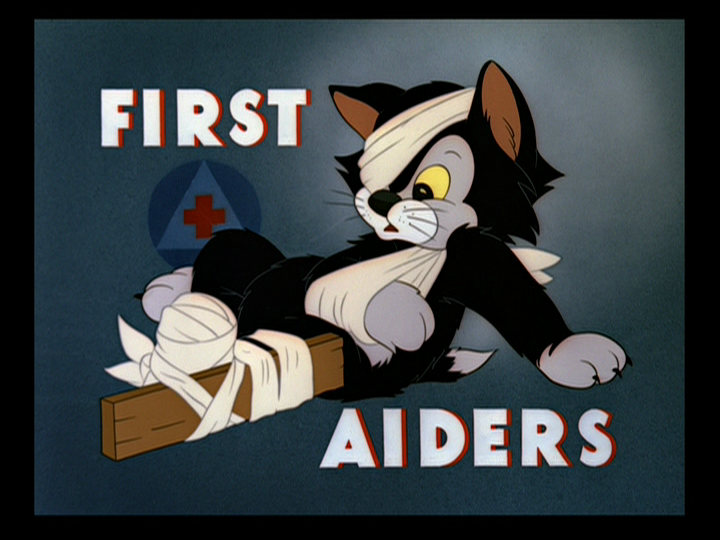
On September 22, 1944, the Pluto short film First Aiders was released to theaters. This short features an appearance of Figaro the cat from Pinocchio; thanks to his popularity, he would also have three shorts in a series of his own. The short was directed by Charles Nichols, with story by Harry Reeves and Rex Cox.

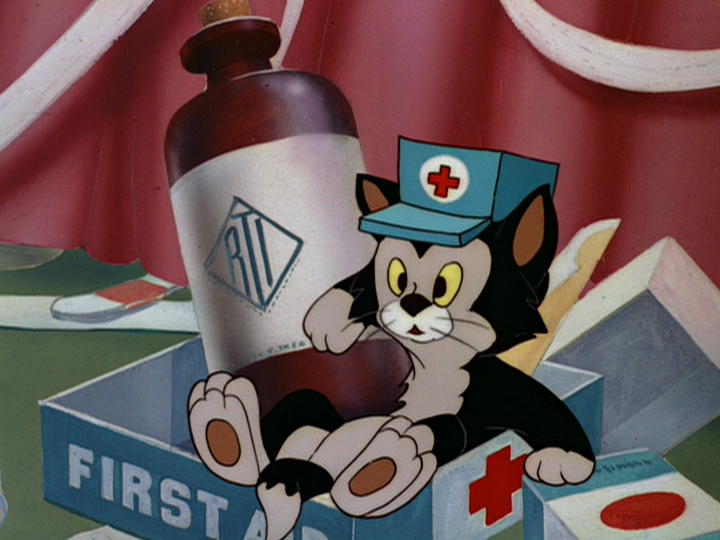
Minnie is reading a first aid manual, trying to create a cravat bandage on her own eye. Pluto uses his own ears to bandage himself as he hears Minnie read out the directions. Minnie’s efforts on herself fail, however, and she asks Figaro and Pluto if one of them would like to help her. Pluto volunteers, as does Figaro, although Pluto is able to push the kitten away into a wash bucket. Minnie then blames Figaro for the mess, and starts to work with Pluto, asking him to hold a bandage. The bandage rolls from Pluto’s mouth, and Figaro chases after the strip, attempting to bring it back to Minnie. As Pluto and Figaro play tug-of-war, Figaro is sent flying across the room into the first aid kit. Minnie once again blames Figaro for the mess.

Figaro gets thrown into the first aid kit, and is blamed for making a mess

Figaro gets thrown into the first aid kit, and is blamed for making a mess

Minnie then attempts to learn about artificial respiration with Pluto as her partner. Pluto lets out large amounts of air as she does so, and accidentally ends up with a cork from a nearby bottle of smelling salts in his mouth. He breathes in the smelling salts uncomfortably, but is unable to breathe out due to the cork. As Figaro laughs at Pluto’s predicament, the cork finally bursts out from Pluto’s mouth, hitting the kitten in the backside. As Minnie’s practice continues, she starts using splints and bandages. As she has him completely splinted, she has to go out and get more bandages. She asks the two to stay out of trouble, and Figaro angelically agrees until Minnie close the door. The kitten then begins to taunt Pluto, who is barely able to stand as he is in the splints. Figaro continues his torture, although he ends up getting beaten up slightly. As they escape outside, Pluto is able to break free of the splints, and the two chase each other around the house. Minnie returns from the store and, seeing Pluto is hurt, begins to use her first aid skills to tend to the dog. Figaro laughs from the stairs, but ends up falling into the splint, bandaged tight. The two end the short making nice, only because Minnie asked them.

September 4

September 4, 1942 – The Goofy Short Film How to Play Baseball is Released to Theaters

vlcsnap-2013-09-04-09h04m42s7

“Baseball: the great American game, the national pastime of millions, both young and old.”

On September 4, 1942, the Goofy short film How to Play Baseball was released to theaters. The short was produced in 12 weeks, coinciding with the release of MGM’s The Pride of the Yankees. It was directed by Jack Kinney.

The short begins with a short introduction of the game, including equipment and the field. Goofy then is seen as a baseball player, with the narrator explaining Goofy’s outfit. Goofy then acts as the pitcher, winding up his arm for the pitch enough to bring him off the ground; he then lands all knotted up and unable to pitch well. The opposing team comes up to bat, and the player rubs dirt all over himself as he prepares for the pitch. The pitcher then throws a curve ball, and the batter, no matter what he does, is unable to hit the ball. The pitcher then throws what’s known as a “spinner,” which saws through the bat and lands in the catcher’s mitt. The pitcher next tries a slow ball, slowing down his speed in a comedic fashion. Try as he might, the batter is unable to hit the ball, tiring himself out quickly.

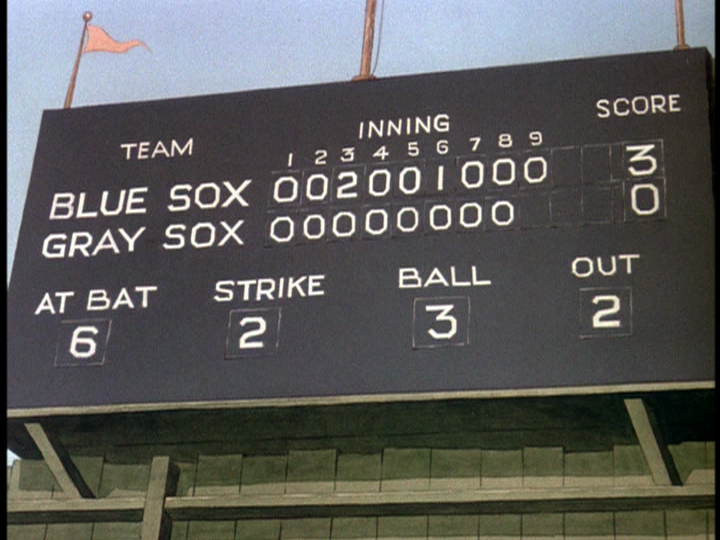
At the last inning of the World Series, the Blue Sox are leading, three to nothing

At the last inning of the World Series, the Blue Sox are leading, three to nothing

The World Series arrives, and the two teams playing are the Blue Sox and the Gray Sox, with the Blue Sox winning 3 to 0 in the ninth inning. The Gray Sox player hits the ball on the third base line and makes it safely to first base, although he trips over several bats and other pieces of equipment on his way there. He then starts to lead on first base, and finds himself caught between first and second while the ball is in motion, but is able to make it to second base. The pitcher then hits the batter, giving the batter a free trip to first base. The next batter bunts the ball, and several Blue Sox players chase after it, only to bump into each other and knock themselves out. The bases are loaded, and the pitcher is losing his nerve. The Gray Sox player hits the ball hard enough the tear the ball apart, and the score is tied as the batter runs for home. As both team members hit home base, it’s up to the umpire to make the call, and he calls the Gray Sox player out, which leads to an all-out brawl between the two teams.