RSS Feed

Tag Archives: Short film

September 5

September 5, 1930 – The Mickey Mouse Short Film The Chain Gang is Released to Theaters

vlcsnap-2013-09-04-20h02m37s58

“Shut up, you!”

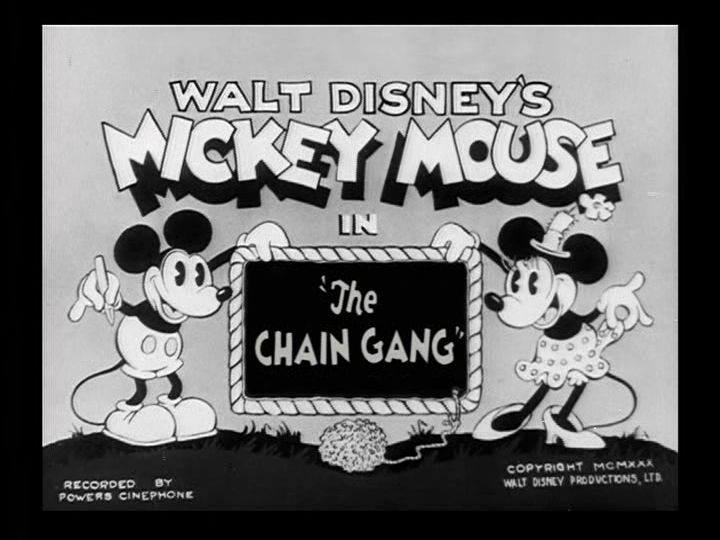
On September 5, 1930, the Mickey Mouse short film The Chain Gang was released to theaters. This short is notable for being the first appearance of the character that would become Pluto, although he wouldn’t have a name until the 1930 short The Picnic, where he would be called “Rover;” the character wouldn’t be called Pluto until the 1931 short The Moose Hunt. The short was directed by Burt Gillett.

A chain gang is being lead through the prison by Warden Pete, with Mickey bringing up the end of the line, singing along to the morose tune. The warden then tells Mickey to shut up, and Mickey does so, shaking in fear. The chain gang then has to break rocks with mallets, and do so in a musical fashion. When the warden falls asleep, Mickey pulls out a harmonica and begins to play. The other inmates join in as best they can with makeshift instruments and singing, and soon everyone is dancing about. One rather ill-tempered prisoner accidentally wakes the warden, who screams out in a panic that there’s a prison riot, and inevitably starts said riot.

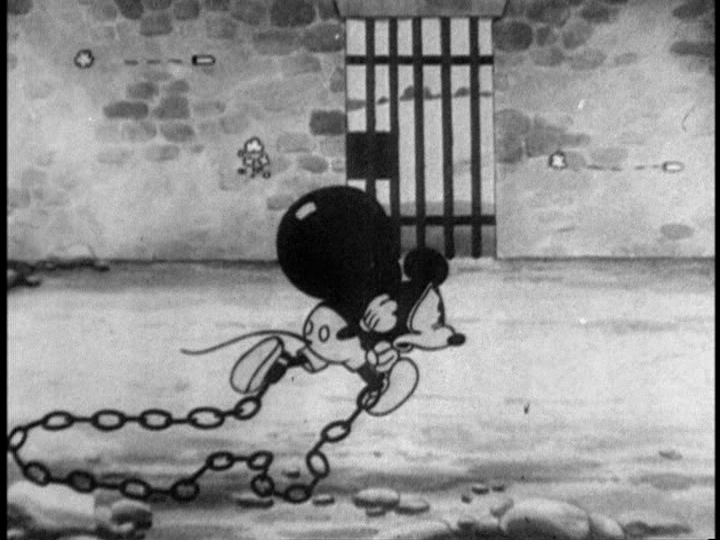
Mickey grabs his ball and chain and tries to escape amongst the confusion of the riot

Mickey grabs his ball and chain and tries to escape amongst the confusion of the riot

As gunshots are flying about the prison, Mickey tries to escape, and is able to leap over the prison wall. A guard spots him, and two bloodhounds are sent out to find him. Mickey ends up tripping and falling into a river, but the dogs are soon right on his tail. Mickey then tries to take a nearby cart, but is only able to take the horses once they are freed from the cart. As he is thrown from the horses off a cliff, he falls through a building, and finds he is once again behind bars.

September 4

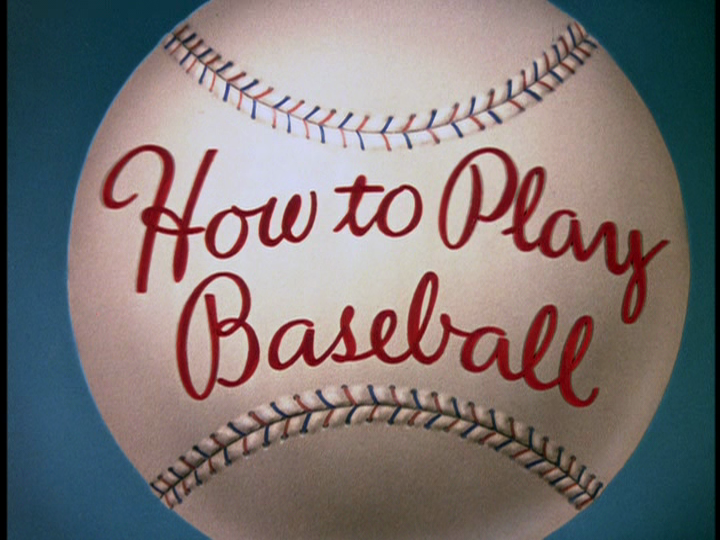
September 4, 1942 – The Goofy Short Film How to Play Baseball is Released to Theaters

vlcsnap-2013-09-04-09h04m42s7

“Baseball: the great American game, the national pastime of millions, both young and old.”

On September 4, 1942, the Goofy short film How to Play Baseball was released to theaters. The short was produced in 12 weeks, coinciding with the release of MGM’s The Pride of the Yankees. It was directed by Jack Kinney.

The short begins with a short introduction of the game, including equipment and the field. Goofy then is seen as a baseball player, with the narrator explaining Goofy’s outfit. Goofy then acts as the pitcher, winding up his arm for the pitch enough to bring him off the ground; he then lands all knotted up and unable to pitch well. The opposing team comes up to bat, and the player rubs dirt all over himself as he prepares for the pitch. The pitcher then throws a curve ball, and the batter, no matter what he does, is unable to hit the ball. The pitcher then throws what’s known as a “spinner,” which saws through the bat and lands in the catcher’s mitt. The pitcher next tries a slow ball, slowing down his speed in a comedic fashion. Try as he might, the batter is unable to hit the ball, tiring himself out quickly.

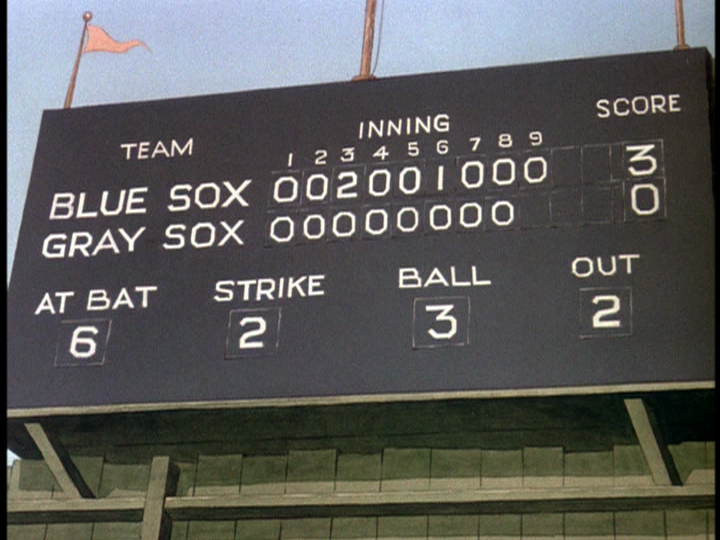
At the last inning of the World Series, the Blue Sox are leading, three to nothing

At the last inning of the World Series, the Blue Sox are leading, three to nothing

The World Series arrives, and the two teams playing are the Blue Sox and the Gray Sox, with the Blue Sox winning 3 to 0 in the ninth inning. The Gray Sox player hits the ball on the third base line and makes it safely to first base, although he trips over several bats and other pieces of equipment on his way there. He then starts to lead on first base, and finds himself caught between first and second while the ball is in motion, but is able to make it to second base. The pitcher then hits the batter, giving the batter a free trip to first base. The next batter bunts the ball, and several Blue Sox players chase after it, only to bump into each other and knock themselves out. The bases are loaded, and the pitcher is losing his nerve. The Gray Sox player hits the ball hard enough the tear the ball apart, and the score is tied as the batter runs for home. As both team members hit home base, it’s up to the umpire to make the call, and he calls the Gray Sox player out, which leads to an all-out brawl between the two teams.


September 1

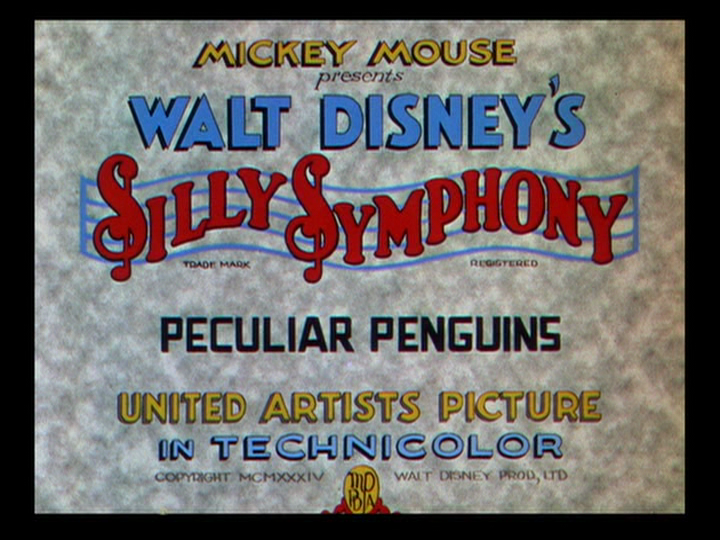
September 1, 1934 – The Silly Symphony Peculiar Penguins is Released to Theaters

vlcsnap-2013-09-01-23h38m11s59

“There’s a place called Penguin Island in the cold Antarctic Sea, where there’s 50 million penguins in a penguin colony.”

On September 1, 1934, the Silly Symphony Peculiar Penguins was released to theaters. It was directed by Wilfred Jackson.

Set on a penguin island in the middle of the Antarctic Sea, two penguins named Peter and Polly are seen getting ready for a date. Peter prepares a snow cone for Polly, which she accepts happily, giving him an Eskimo kiss for his trouble. This affection has causes Peter to turn cartwheels. After he does so, he spots fish in a nearby hole in the ice, and dives in to catch one. He eventually does and brings it back to Polly, who swallows it down happily, although they eventually find that she has eaten a puffer fish, which starts puffing up inside her. Finally, the fish escapes Polly and jumps back into the pond, but Polly reacts badly to this, slapping Peter and walking away before diving in the water and swimming away.

vlcsnap-2013-09-01-23h44m33s43

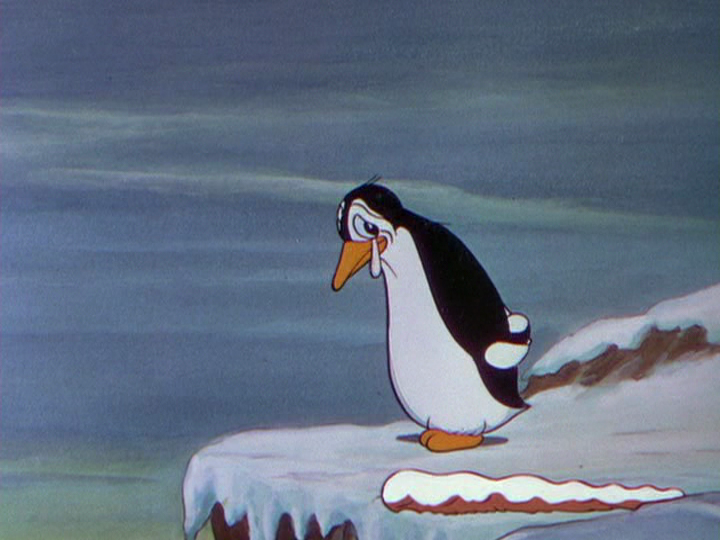
Peter tearfully watches as Polly angrily swims away after the puffer fish incident

Peter watches tearfully as Polly swims away, and is soon alarmed to see a shark following her. He calls out after her, but she will have none of it, and continues to swim away. The shark gains on her and attempts to devour her, but Polly swims away, although the shark continues to follow her. Peter dives into the water to rescue her, and beats him in the nose with a club just as the shark has Polly in his clutches. The shark then follows Peter through the water, hoping to have the penguin for a snack, but Peter uses the club to keep the shark’s mouth from chomping down. As Peter dives out of the water, he pulls on a root that releases a large boulder. The boulder is accidentally swallowed by the shark, and he sinks to the bottom of the ocean, unable to swallow anyone ever again. The short ends with Peter and Polly happily reunited, holding each other close as the sky shines with a rainbow.

August 30

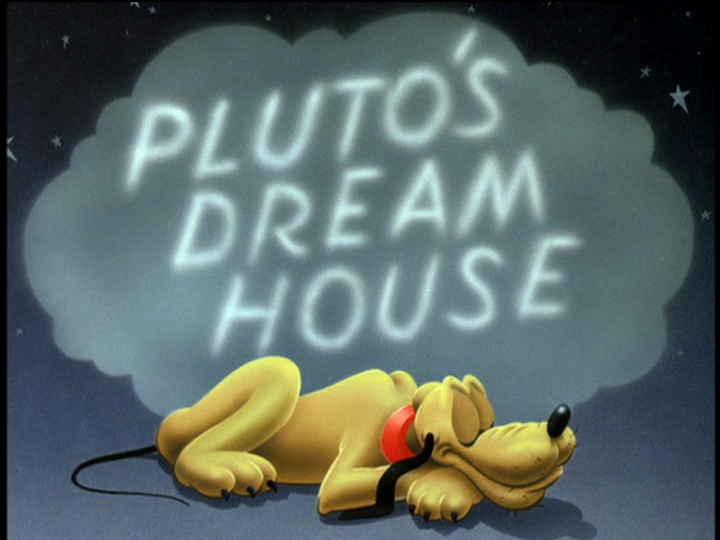
August 30, 1940 – The Mickey Mouse Short Film Pluto’s Dream House is Released to Theaters

vlcsnap-2013-08-30-19h38m18s190

“Man, if you don’t want nothin’, don’t rub us magic lamps!”

On August 30, 1940, the Mickey Mouse short film Pluto’s Dream House was released to theaters. This short is an example of dialect humor, which was a popular staple of entertainment in this time period, especially with radio programs. If one looks closely, you can see that Mickey and Pluto have been together a long time, as Pluto’s first doghouse was built in 1926 – two years before Steamboat Willie. The short was directed by Clyde Geronimi.

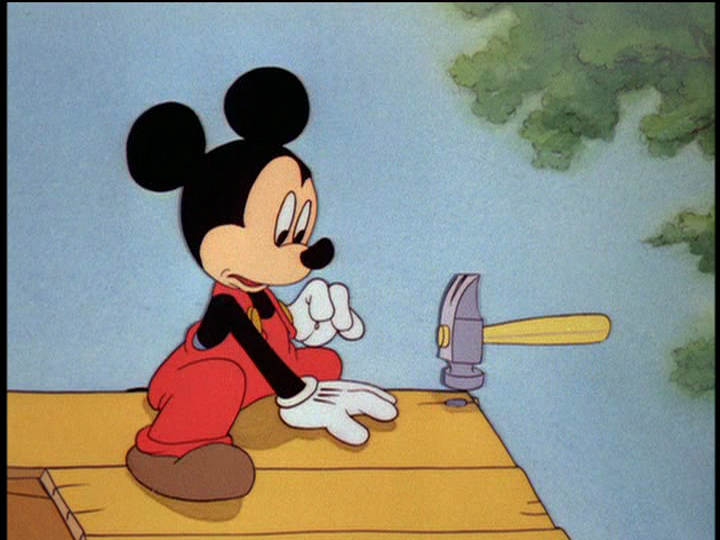
In Mickey’s backyard, Mickey and Pluto are studying the blueprints for Pluto’s new streamlined doghouse. Pluto looks over at his old house, which is falling apart rapidly. Mickey and Pluto then excitedly begin building. As Pluto digs, several things are pulled from the ground, including a magic lamp, which starts talking after Mickey rubs in. The lamp, after scaring Pluto, lets Mickey know that he will grant any wish Mickey asks. Mickey then asks for a doghouse for Pluto. The lamp sputters and spins, and a burst of magic comes out of his spout, causing all the tools to start work on the doghouse by their own accord.

Mickey watches as the hammer starts working by itself to build the doghouse

Mickey watches as the hammer starts working by itself to build the doghouse

Mickey watches in astonishment as the house is made, and Pluto is attacked by the tools when he gets a little too close to their activities. Finally, the hosue is created, all tricked out with neon lishgts and a diamond encrusted fire hydrant. The lamp then gives Mickey the idea to wish that Pluto had a bath, and Pluto is sent flying into a tub of water. After a while, Pluto begins to enjoy the bath. Mickey then sits and relaxes in the living room, but has trouble finding something to listen to on the radio. As the lamp scrubs behind Pluto’s ears, Pluto ends up slammed against the wall, hitting it hard enough to knock the radio over and break it. The lamp interprets the sounds from the broken radio as commands from Mickey, and starts beating Pluto up. As Pluto is being tortured, the audience then realizes that this has all been Pluto’s dream. When Mickey tries to wake the whimpering Pluto, the dog howls with fright and leaps into Mickey’s bed. Mickey laughs at his pet’s behavior as Pluto clutches his master tightly.

August 28

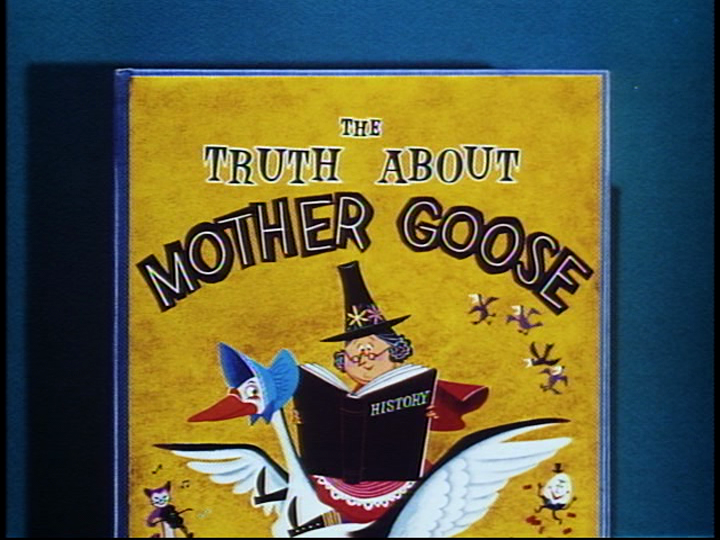
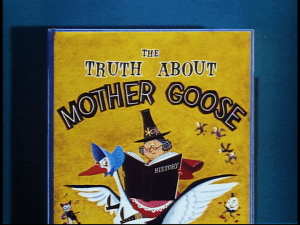
August 28, 1957 – The Special Short Film The Truth About Mother Goose is Released to Theaters
vlcsnap-2013-08-28-10h26m10s24

“What’s the truth about Mother Goose? Let’s clear up all the mystery. Her nursery rhymes from olden times are really part of history.”

On August 28, 1957, the special short film The Truth About Mother Goose was released to theaters. It was nominated for an Academy Award, but lost to Warner Brothers’ Birds Anonymous. It was directed by Woolie Reitherman and Bill Justice, with story by Bill Peet.

The short is narrated by three jesters and a voice-over narrator, with the jester singing their intention to give the history behind three popular nursery rhymes. They first begin with Little Jack Horner, which actually goes back to 16th century London. The real Jack Horner was the assistant to a city official, who was to deliver a Christmas present to Henry VIII. In this time period, in was a common practice to bake presents of great value into a pie. Knowing this, Jack pulled out from the pie a “plum,” which was a deed to a valuable estate. When Henry VIII found there was no gift, the city official was punished, and Jack ended up living in his stolen estate, although he may have been haunted by a popular rhyme that was gaining ground in London.
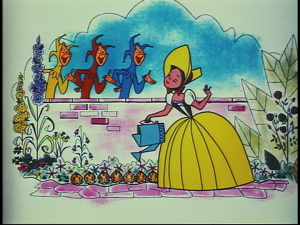
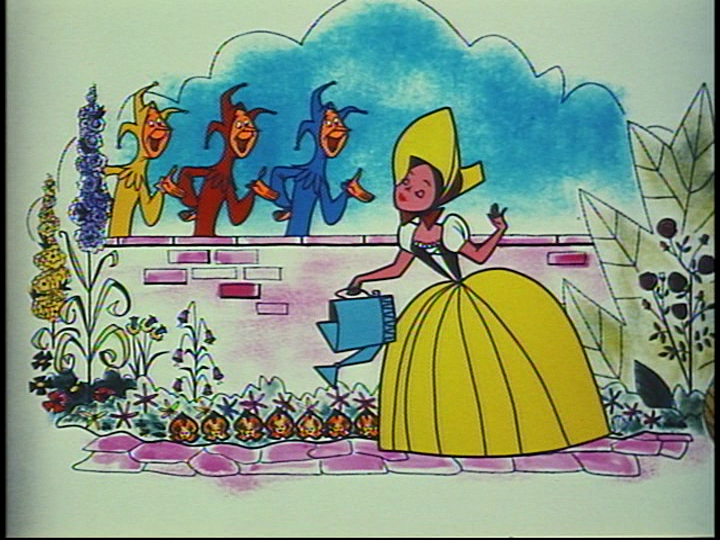
The jesters recite "Mary Mary Quite Contrary" before getting into the history of the rhyme

The jesters recite “Mary Mary Quite Contrary” before getting into the history of the rhyme

The next rhyme, Mary Mary Quite Contrary, is actually about the life of Mary Stuart, also known as Mary, Queen of Scots. She came from France to take over the Scottish throne, which was frowned upon by the Scottish court. The “silver bells” refer to Mary’s elaborately decorated attire, the “cockle shells” were a reference to her love of exotic foods, and the “pretty maids all in a row” were Mary’s ladies in waiting. The narrator then tells the tragic tale of Mary, who married Lord Darnley four years after her arrival in Scotland. Her marriage was unhappy, and when Mary found other lovers in a French poet and a court musician, these men were dispatched. She fell in love with the Earl of Bothwell, and after Darnley’s murder, she and the Earl were married. The Scottish people, outraged at Mary’s behavior, forced her to abdicate the throne, and imprisoned her in Lochleven. After a few months, the jailer’s son helped Mary to escape, and she organized an army to gain back the throne in Scotland, but was defeated. She then fled to England to seek refuge with her cousin, Queen Elizabeth I. Elizabeth soon became jealous of Mary, and was accused of being a traitor to the government. She was then executed, “quite contrary” until the end.

The last nursery rhyme discussed is London Bridge is Falling Down. Old London Bridge was built in 1176 to unite the two parts of London. It was finished in 1209, and a chapel was built over the central pier to sanctify it. Several beautiful buildings were also built on the bridge, and it was named a wonder of the world. Merchants would sell their wares on the lower floors of buildings on the bridge, with the upper stories of the buildings being sold as apartments. Celebrations of great moments in British history were also done on the bridge. Living on the bridge could also be hazardous, with the greatest hazard being fire; the worst fire was the Great Fire of London in 1666, when it broke out from the King’s bakery in Pudding Lane. The bridge would soon be rebuilt, but it never would return to its former glory. Its foundations were breaking from water and fire damage, and it was soon declared a public nuisance, ridiculed in rhyme. The bridge was given the declaration to be demolished on July 4, 1823. A new London Bridge would be built, which still stands today.
August 27

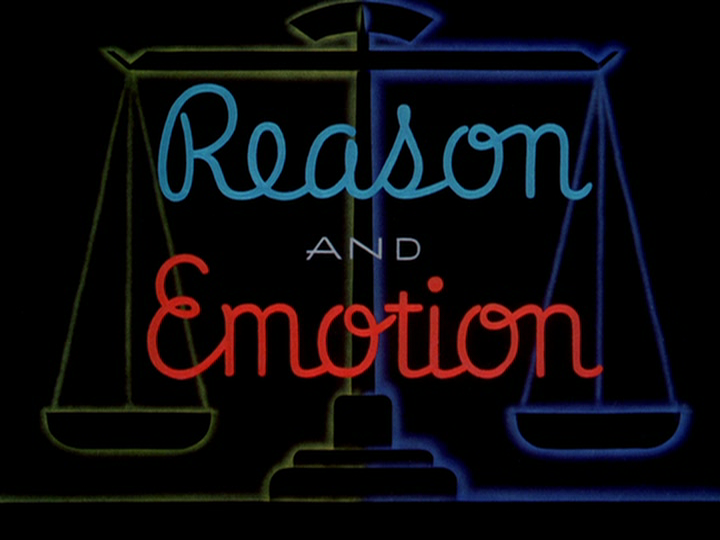
August 27, 1943 – The Wartime Short Film Reason and Emotion is Released to Theaters

vlcsnap-2013-08-26-20h59m19s50

“Each one of us is equipped with the ability to think, known as Reason, and the ability to feel, known as Emotion. Within the mind of each of us, these two wage a ceaseless battle for mastery.”

On August 27, 1943, the wartime short film Reason and Emotion was released to theaters. It was nominated for an Academy Award, but lost to The Yankee Doodle Mouse from Metro-Goldwyn-Mayer. The short was directed by Bill Roberts.

The short begins with an explanation of how each person has two abilities: Reason and Emotion. From birth, Emotion is the more powerful of the two, as Reason isn’t born yet. A baby is seen acting on pure Emotion, until Reason arrives to stop Emotion. The baby grows up, and Reason is in the driver’s seat of the man’s mind. When the man passes by and attractive woman, Emotion knocks out Reason and acts crudely toward the woman, earning a slap in the face. The attention then turns to the woman who, when Emotion takes over her mind, decides to eat as much as she can at the nearby café, with her figure ballooning quickly.

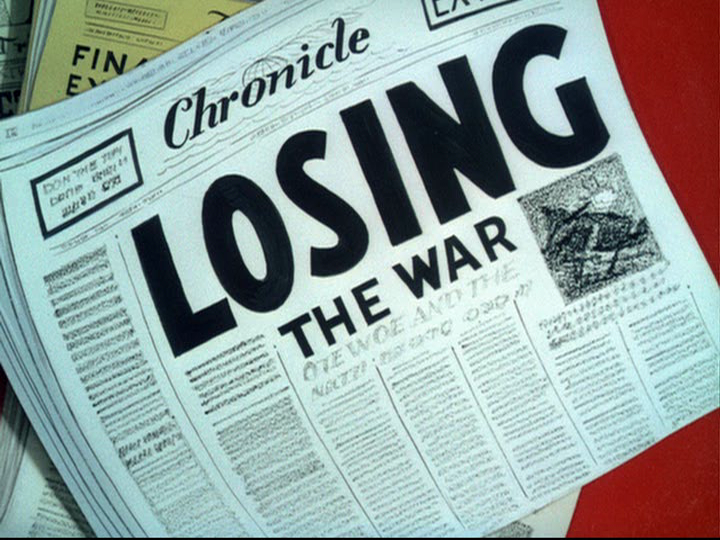
The narrator explains that, during this time of war, it is easy to let Emotion take control over Reason, thanks to headlines like this

The narrator explains that, during this time of war, it is easy to let Emotion take control over Reason, thanks to headlines like this

The attention then turns to the War, and how easily people can let their emotions get the best of them in such a stressful time. In the case of Mr. John Doakes, although he tries to keep himself informed of the current events, he is easily ruled by Emotion with all the rumors running around. The narrator then points out to Emotion that this is exactly what Hitler plays upon, using tactics of fear, sympathy, pride, and hate. The audience is then taken inside the mind of a Nazi, with Emotion completely manipulated by Hitler’s speeches. Although Reason knows better, Emotion enslaves Reason and leaves nothing but ruin in his wake. The narrator tells Reason and Emotion that they must work together to fight against all odds to defeat Hitler.

August 22

August 22, 1936 – The Silly Symphony Toby Tortoise Returns is Released to Theaters

vlcsnap-2013-08-21-20h50m56s88

“How ya doin’, Toby-Woby? I like a man that takes his time.”

On August 22, 1936, the Silly Symphony Toby Tortoise Returns was released to theaters. It is the sequel to the 1935 Silly Symphony The Tortoise and the Hare, and includes characters from other Silly Symphonies, including Practical Pig from Three Little Pigs and Jenny Wren from Who Killed Cock Robin? The short was directed by Wilfred Jackson.

The stadium is packed to see the fight between champion Max Hare and challenger Toby Tortoise. Jenny Wren sits in the front row of the fight, greeting the boys as they say hello. The fight begins, and Toby is naturally too slow to keep up with Max. Max teases Toby before making a mockery of the poor tortoise. As Toby approaches Max from behind, Max makes quick work of Toby before sending him flying out of the ring, straight into Jenny’s arms. Inspired by Jenny’s flirtation, Toby flies back into the ring and attempts to attack Max, but misses and knocks himself into a stupor, where he dreams he’s a sultan, surrounded by dancing Jenny Wrens. As the ref is about to call the match for Max, the bell rings, signaling the end of the round.

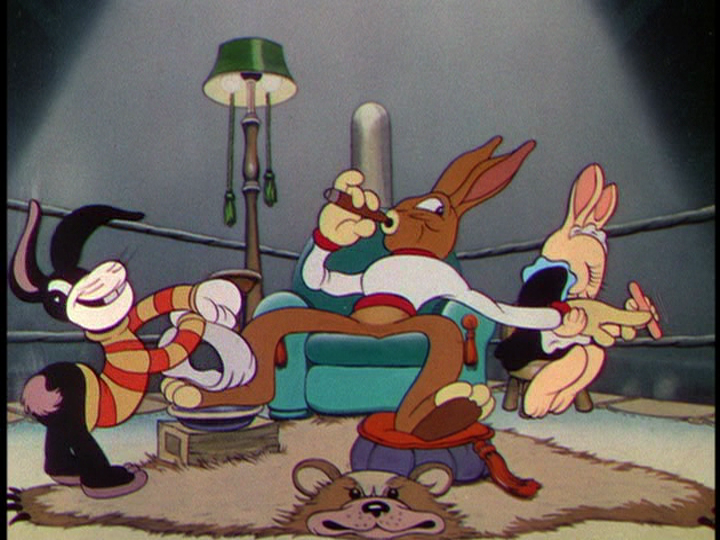
Max Hare lounges in the corner as he waits for the next round to begin

Max Hare lounges in the corner as he waits for the next round to begin

Max sits in the corner, lounging as he waits for the next round, and calls the ambulance over for Toby before turning into a punching whirlwind. As Max attacks, Toby is protected by his shell, and starts teasing Max. Max gets annoyed by Toby’s teasing, and reaches into the shell to attack him, but gets his hand caught in a mousetrap instead. The tables have turned, with Toby making a fool of Max. Max then places several fireworks into Toby’s shell and lights them up; as he is about to give Toby a knockout punch, Toby is sent skyward in a shower of sparkles. As he comes back to the ground, the fireworks send Toby spinning, which also allows Toby to give several key punches to Max’s face. Max tries to outrun Toby, but finds himself being beaten by the turtle no matter where he turns. One final rocket shoots out of Toby’s shell, which catches onto Max’s shirt and sends him flying out into the audience before shooting into the ambulance, which quickly drives away. Toby is declared the winner of the match, and the crowd cheers loudly.

August 19

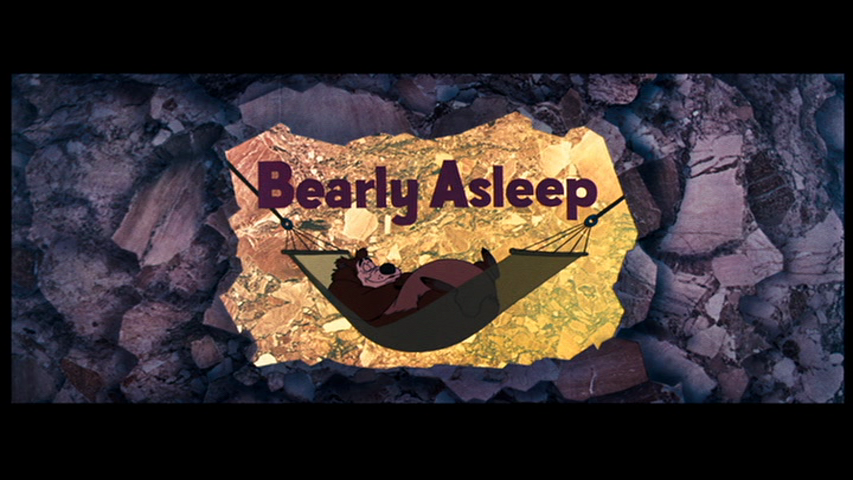
August 19, 1955 – The Donald Duck Short Film Bearly Asleep is Released to Theaters

vlcsnap-2013-08-19-10h11m28s164

“Yes, after we have bid farewell to the summer tourists, and the park is closed for the winter, it is time for our little bear friends to hibernate in their winter cave.”

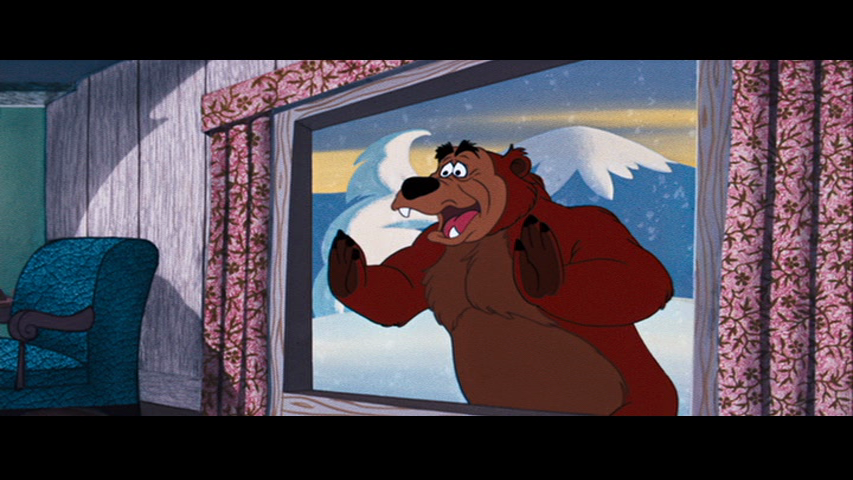
On August 19, 1955, the Donald Duck short film Bearly Asleep was released to theaters. This is the third of four shorts where Humphrey the Bear is the antagonist of Donald Duck; this is also one of the few Donald Duck shorts filmed in CinemaScope. It was directed by Jack Hannah, with story by Al Bertino and Dave Detiege.

Ranger Donald Duck is waving goodbye to the visitors as they leave the national park. The bears also wave goodbye to the visitors, until Donald calls them all to attention, as it is time for them to hibernate in their cave. Humphrey, however, has been lounging in a nearby hammock, and reluctantly joins the line when Donald kicks him. Donald allows Humphrey to grab a drink of water before joining the bears, then yelps that someone pinched him. Donald throws the glass at Humphrey, telling him to go to sleep, and mutters “I hate bears,” over and over again as he walks back to his cabin.

Humphrey is happy to find a place where he can spend his hibernation

Humphrey is happy to find a place where he can spend his hibernation

In the cave, Humprey starts annoying all the other bears with his fidgeting and snoring, and they kick him out into the snow. He finds a log to stay in, except that the rabbit living there kicks him out. He then finds what he thinks is another cave, but is nearly run over by a train running at full-speed. Finally, he comes across the ranger’s cabin and, spying the bunk beds, decides to find a way in. He pretends to sleepwalk into the cabin and crawl into one of the beds, but Donald is suspicious of his behavior, and places a lamp underneath the bed. As Humphrey becomes too warm, he “sleep-climbs” up to the top bunk, but Donald places the open flame of the lamp under the top mattress, and Humphrey leaps into the air in pain. Donald then uses a snowshoe to beat Humphrey out of the house before sealing all the exits.

As Humphrey gazes wistfully into the warm building, he finds that his nose is stuck to the glass of the window. He pulls the glass off as he tries to remove it from his nose, and ends up shutting himself back inside the house and placing the glass back in the window. Spying the snowshoe and its painful spike, Humphrey looks for a place to hide as Donald prepares for a shower. Unfortunately, Humphrey hides in the shower and ends up all wet. Donald finally finds Humphrey hiding and searches all over the house to catch the bear, trapping him in the oven. Donald then sends Humphrey flying out again, along with all other pieces of bear memorabilia. Seeing that Donald threw out a bear dressed as a baby, Humphrey dons the outfit and pretends to be a lost baby left in a basket in front of his old cave. The bears take him in, and his snoring once again keeps the entire cave awake through hibernation.

August 11

August 11, 1950 – The Pluto Short Film Food for Feudin’ is Released to Theaters

vlcsnap-2013-08-11-07h45m56s6

“Hey, Pluto!”

On August 11, 1950, the Pluto short film Food for Feudin’ was released to theaters. This is the third short where Chip and Dale play Pluto’s antagonists, as they were usually cast as the antagonists for Donald Duck. A high-pitched version of the Goofy Holler is also used in this short. It was directed by Charles Nichols, with story by Milt Schaffer and Dick Kinney.

On a beautiful fall day, Chip and Dale are gathering acorns for the winter. They have finally reached the level of nuts needed to last them the winter season, and settle down comfortably in their storage tree. Pluto is also in the park, trying to hide his bones. He tries to shove one of his bones in Chip and Dale’s tree, and when he does, the nuts are pushed up to the very top, nearly crushing the chipmunks. When they push the level down, the bone and every collected acorn begins spilling from the tree. Pluto and Chip end up slipping on the acorns and slam into Pluto’s doghouse. Dale, who had been laughing at Chip’s misfortune, also slips on an acorn, falling straight into Pluto’s mouth. Chip frees Dale, and Pluto chases them around the yard.

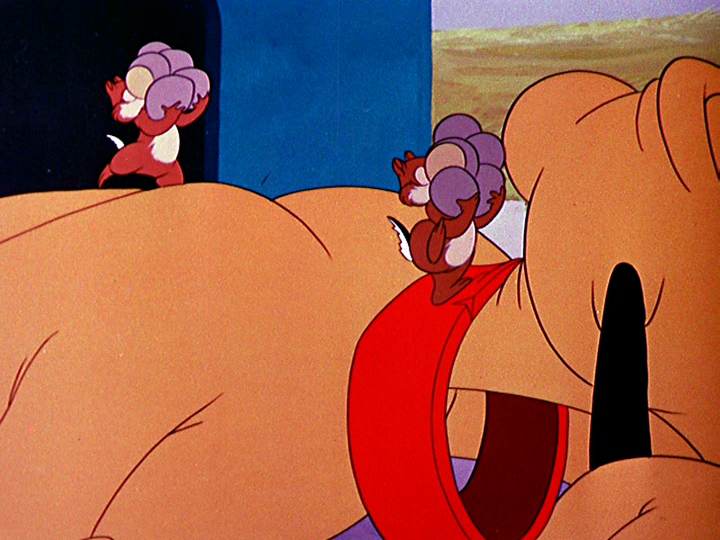
Chip and Dale are unaware Pluto has returned, even as they walk across him to get their acorns back to their tree

Chip and Dale are unaware Pluto has returned, even as they walk across him to get their acorns back to their tree

The chipmunks hide in a nearby garden, and spot all of their acorns in Pluto’s doghouse. As they begin to gather their acorns, they don’t notice that Pluto has returned and settled down for a nap. The two slip on Pluto’s collar, sending the dog chasing after them again. The pair hide in some nearby garden gloves, and after Pluto returns, they use the gloves to lull Pluto to sleep with a massage, only Dale gets caught in Pluto’s grasp. The two then start throwing a ball around to keep Pluto occupied, but they still aren’t able to take their acorns. The two then come up with a plan to tie Pluto to his doghouse, having him drag their acorns back to their tree as they continue to tempt him with the ball. After throwing the ball to send him the other direction, the two make quick work of filling the tree, but when Pluto comes back with the ball, he spots Dale peeking out from one of the gloves. Pluto and Chip struggle, with Pluto ending up wearing the gloves with the fingers all tied up. As Chip and Dale laugh and imitate how Pluto got stuck, the two also end up with their fingers knotted together. The three then have a good laugh at their misfortune.

August 10

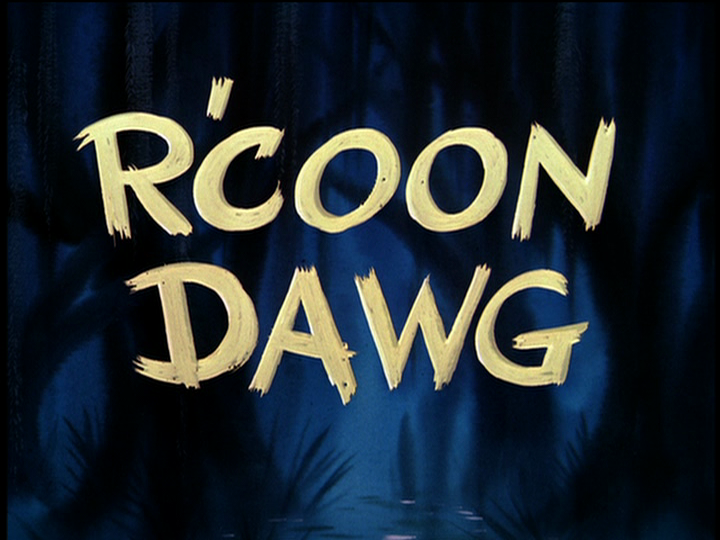
August 10, 1951 – The Mickey Mouse Short Film R’Coon Dawg is Released to Theaters

vlcsnap-2013-08-10-18h33m25s38

“Now, some hunters say that a dog sees with his nose. Well, sir, it’s a fact. And when he starts sniffin’ and a-snortin’, his old nose is a-pickin’ up a television picture that’s just a spittin’ image of old Mr. Coon.”

On August 10, 1951, the Mickey Mouse short film R’Coon Dawg was released to theaters. It was directed by Charles Nichols, with story by Ralph Wright and Al Bertino.

In a farm out in the country, a raccoon is seen traipsing about, but flees when he hears footsteps. Mickey then appears with a shotgun, searching for raccoons, with Pluto sleepily sniffing out the creature. Picking up the scent, Pluto pursues that direction, and Mickey quickly follows. The raccoon hears Pluto’s howling, and sets up some tricks to throw the dog from his path. Pluto falls for the first trick, and the second, but continues his chase through the woods. The raccoon quickly tries another plan to get the dog off his trail, but Pluto refuses to let the scent go. After chasing the raccoon into the water, his collar catches on part of a log, and Pluto starts to drown. The raccoon saves his life, but not before setting up another trick to throw the dog off the scent.

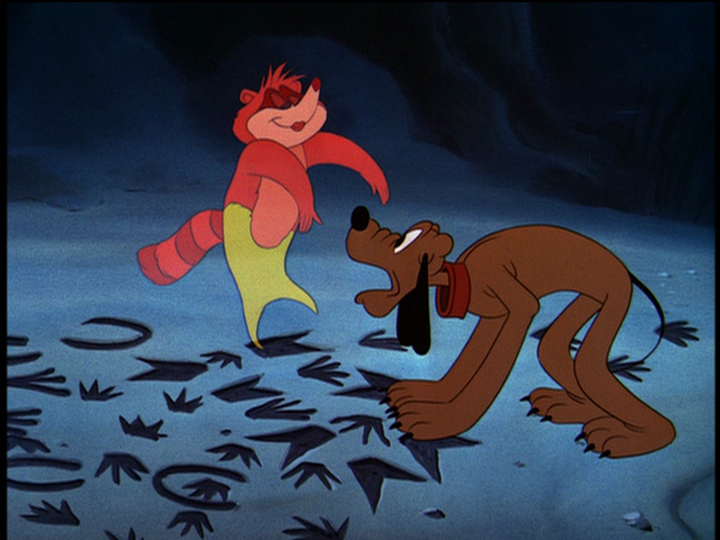
Pluto is momentarily thrown off by the trick the raccoon left for him

Pluto is momentarily thrown off by the trick the raccoon left for him

As Pluto reaches the bank, he is thrown off by prints from a fish, a frog, and a horse, among the raccoon prints. He spots the raccoon laughing at him from the tree, and the raccoon, seeing Mickey with his gun n the other side of the brush, realizes that he’s trapped. Thinking quickly, he steals Mickey’s coonskin cap, using it to pretend that it is a baby. As Mickey attempts to shoot the raccoon, Pluto grabs the gun with his teeth and pulls it away. Sheepishly seeing the raccoon “with child,” the two slink away, while the raccoon relishes in its victory.