RSS Feed

Tag Archives: Women

July 13

July 13, 1925 – Walter Elias Disney Marries Lillian Bounds

“We shared a wonderful, exciting life, and we loved every minute of it. He was a wonderful husband to me, and wonderful and joyful father and grandfather.” – Lillian Bounds Disney

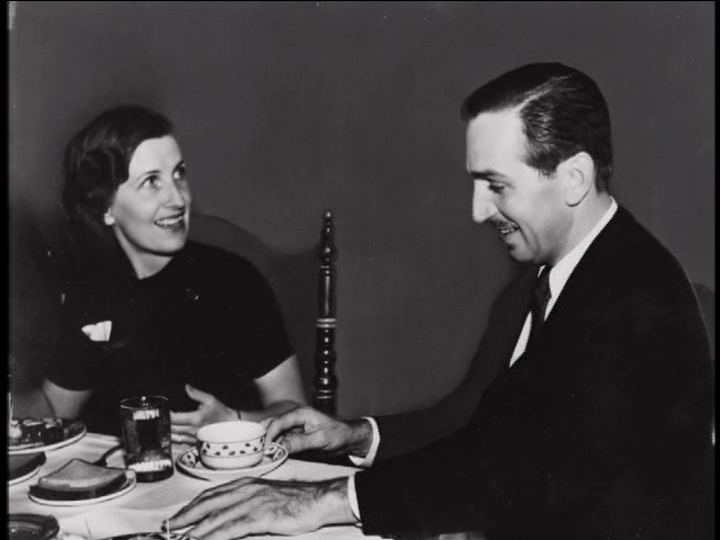
On July 13, 1925, Walt Disney married Lillian Bounds in a small ceremony at Bounds’ brother’s house, with Lillian wearing a lavender gown. They had a year-long courtship beforehand, with Walt coming by Lillian’s house often, long drives in his beloved Moon roadster, and dinner at Hollywood tearooms, and Walt proposed indirectly by asking Lillian to pitch in to either buy a new car or a ring; when Lillian said that she wanted the ring, Walt (with Roy’s help) bought a ¼ carat diamond on a platinum band surrounded by sapphires for seventy-five dollars. The couple remained married for 41 years, until Walt’s death in 196.

July 6

Posted on

July 6, 1938 –Actress Luana Patten is Born

On July 6, 1938, Luana Patten was born in Long Beach, California. A model since the age of 3, Patten was picked from hundreds of girls to star in the film Song of the South as Ginny, alongside Bobby Driscoll as Johnny. She would go on to become the first actress to sign a long-term contract with Disney, starring in several films with Driscoll, including Melody Time and So Dear to my Heart. In fact, she and Driscoll were the first long-term contract players at the studio. She also starred in the film Fun and Fancy Free with Edgar Bergen, Charlie McCarthy, and Mortimer Snerd. After taking a brief break to finish high school, Patten returned to the studio for a couple of films, her last role being Nora White in the 1966 film Follow Me, Boys. After leaving the studio, Patten continued to act until 1970, when she retired from the industry. She passed away at the age of 57 in 1996 from respiratory failure.

June 19

June 19, 1998 – The 36th Animated Feature, Mulan, is Released to Theaters
“A single grain of rice can tip the scale. One man may mean the difference between victory and defeat.”

On June 19, 1998, the animated feature Mulan was released to theaters. The story was based on a 2,000-year-old Chinese folktale, and a select group of Disney artistic supervisors spent a three-week trip in China to study the culture and landscape. It was the first feature film to be predominantly produced at the Disney Feature Animation Studio in Walt Disney World, Florida. The film was directed by Barry Cook and Tony Bancroft, and stars Ming-Na Wen as Mulan, with Lea Salonga providing Mulan’s singing voice, B.D. Wong as Shang, Donny Osmond as Shang’s singing voice, Eddie Murphy as Mushu, Miguel Ferrer as Shan-Yu, and Harvey Fierstein as Yao. The film is also notable for its casting choices overseas, namely Jackie Chan playing the role of Shang in the Chinese version.

The movie begins with an attack on the Great Wall of China by the Hun Army. One brave solider lights the signal, then tells Shan-Yu, head of the Hun Army, “Now all of China knows you’re here.” Shan-Yu smiles evilly, takes the flag of the Emperor, burns it, and says simply, “Perfect.” The Emperor declares that troops are needed to protect his people, and sends out a message for new recruits. Mulan, the main character, is then seen writing words on her arm while eating her breakfast before realizing she’s late for her morning chores. Her father is seen praying to the ancestors to help Mulan impress the matchmaker.
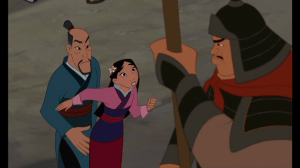
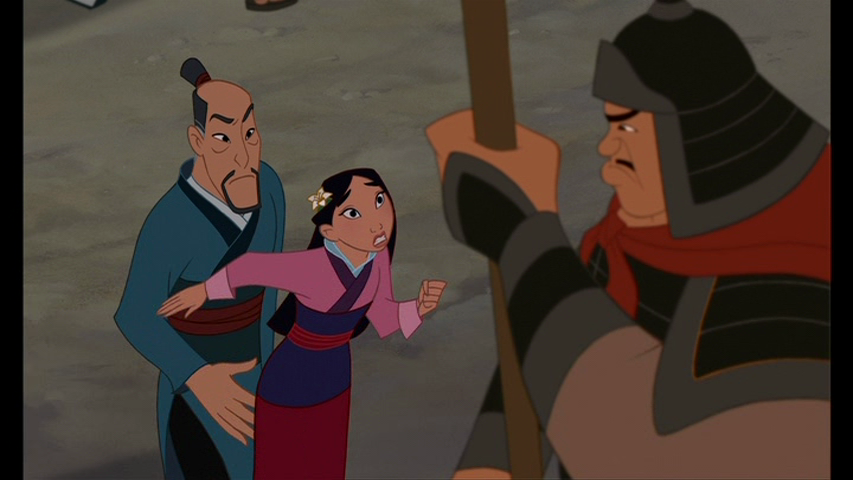
Mulan steps forward, begging the Imperial Army to spare her injured father

Mulan hurries into town, with her mother watching anxiously for her arrival. When Mulan arrives, there’s a great many things that need to be done to get her ready to see the matchmaker. She’s rather nervous, and worried about bringing her family honor. Unfortunately, Mulan starts off on the wrong foot with the matchmaker, and she only stumbles into more problems, concluding with her setting the matchmaker on fire. The matchmaker declares, in front of the entire village, that Mulan will never bring her family honor. At home, her father cheers her up by letting her know that the late-blooming blossom will be the most beautiful of them all. Soon after, the Emperor’s declaration that one man from every family must serve in the Imperial Army is announced, and Mulan’s father, who was injured the last time the Emperor needed soldiers, decides to go to battle. Mulan shames her father by asking for her father to be spared. Knowing her father will never survive if he goes, Mulan steals his armor and takes his place, riding off to the Imperial Army’s camp, even though she knows if she is discovered, she will certainly be killed.

The Fa family’s ancestors awaken, deciding which guardian should go to protect her. Mushu, a dragon that used to be a guardian but was demoted for his bad service, has to go awaken the Great Stone Dragon, but accidentally destroys it. Fooling the family into thinking it’s awakened, Mushu meets up with a cricket (one that the grandmother declared lucky), who tells him that they should go and rescue Mulan. Thinking it’s a good way to get back in the ancestors’ good graces, Mushu decides to make Mulan a war hero. Mulan isn’t so convinced that “a little lizard” can protect her, but Mushu convinces her that he can do the job. When they enter the camp, however, Mushu proves himself to be more of a problem than a help; Mulan ends up getting the entire camp in trouble.
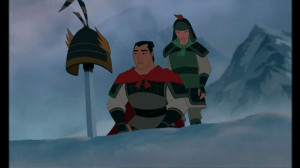
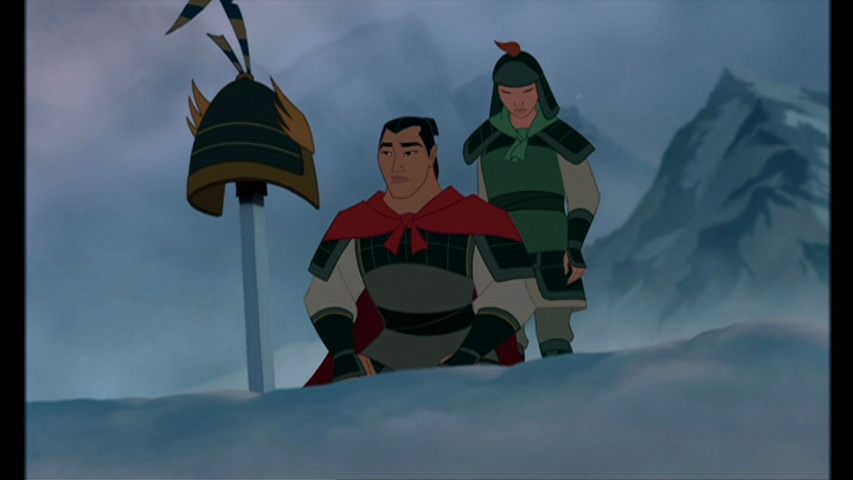
Shang’s troops make a grim discovery as they go through the pass

Shang trains his troops diligently, although the men are rather green to begin, and he reaches the conclusion at one point that Mulan (going under the name Ping) should go home. Determined to stay, Mulan proves her worth, and soon, the whole team is battle-ready. Mulan makes friends with Yao, Ling, and Chien-Po, who become her closest comrades. Mushu pretends to be an officer and gets the team sent out to meet the other Imperial Army troops. When they get to the pass, they find that the village there has been obliterated, including the Imperial Army section led by Shang’s father, the general. They then are caught in a surprise attack by the Huns, but Mulan saves the day by crushing the Hun Army with an avalanche. After she saves Shang from the fast-approaching snow, he realizes she’s been injured in her dealings with Shan-Yu, and a medical tent is set up for her. Unfortunately, her secret is discovered, and Shang is forced to kill her. He decides to spare her life, as she had saved his, and his debt has been repaid. Mulan is then deserted in the pass as the Army moves to the Imperial City.

As Mulan is left behind with her horse, Mushu, and the cricket, the four make the startling discovery that members of the Hun Army are still alive, including Shan-Yu, and are on their way to kill the Emperor. Mulan goes after them to warn Shang, but no one will listen to a woman. When the Huns surprise everyone with a sneak attack and kidnap the Emperor, Shang and his men are at a loss at what to do, but Mulan comes up with a plan: Ling, Chien-Po, and Yao dress up as concubines to infiltrate the palace. Shang joins their plan to help Mulan, and a fight ensues, with Mulan battling one-on-one with Shan-Yu. She manages to defeat and kill him with Mushu’s help, using the fireworks for the ceremony. The Emperor emerges, declaring, “I’ve heard a great deal about you, Fa Mulan. You stole your father’s armor, ran away from home, impersonated a soldier, deceived your commanding officer, dishonored the Chinese army, destroyed my palace, and…you have saved us all.” He gives her the sword of Shan-Yu and the crest of the Emperor in honor of her brave deeds, and everyone in attendance bows in respect. As Mulan leaves, Shang tries to say something profound, but can only say, “You fight good.” Disappointed, but relieved to go home, Mulan decides to return to her family. The Emperor tells Shang off for letting her go, telling him that “you don’t meet a girl like that every dynasty.”
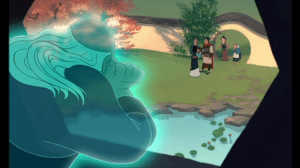
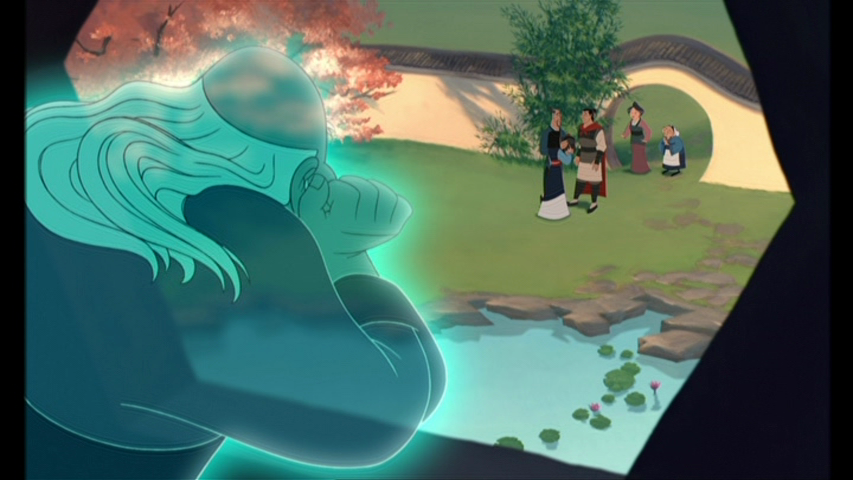
The ancestors watch as all is well with the Fa family

Mulan arrives home with trepidation, unsure at what her father’s reaction will be. He embraces her, just glad to see her home alive. Her grandmother isn’t so happy, wondering why her granddaughter couldn’t bring home a man, when Shang appears, looking for Mulan, under the guise of trying to return her helmet. Mulan asks if he would like to stay for dinner, and a romance appears to bloom between the two. Mushu is reinstated as a guardian, and all the ancestors wake up for a celebration.
June 7

Posted on

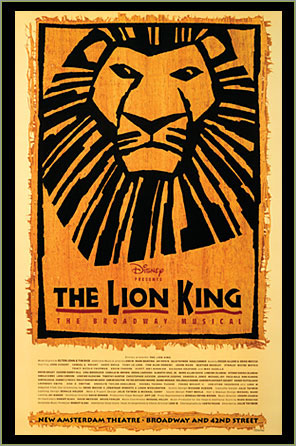
June 7, 1998 – The Lion King Wins Six Tony Awards

Image Credit: The Official Website for the Tony Awards

 “Tom [Schumacher] and I want to thank the Tony committee and the theater community for embracing this show and honoring us this way.” – Peter Schneider

On June 7, 1998, the 52nd Annual Tony Awards were held at Radio City Music Hall in New York. The Lion King musical walked away with six awards, including Best Musical, beating out Ragtime, Side Show, and The Scarlet Pimpernel. The Lion King also won Best Direction of a Musical for director Julie Taymor, Best Choreographer for Garth Fagan, Best Scenic Design for a Musical for Richard Hudson, Best Costume Design for a Musical for Julie Taymor and Michael Curry, and Best Lighting Design of a Musical for Donald Holder.

The musical, based on the animated film released in 1994, was a phenomenon when released on Broadway, smashing records and earning rave reviews. Julie Taymor, the director, was the first female to receive a Tony for Best Direction of a Musical. “Julie Taymor is a goddess; we’re eternally grateful for your courage, your passion, and the genius that is your gift,” Tom Schumacher announced upon receiving the Tony Award for Best Musical. Using her studies in pre-Bunraku puppetry in Japan, Taymor also helped to create the costumes for the musical, with a variety of masks and puppets used to portray the animals in the show; this unique design helped set the musical apart from the movie.

May 10

Posted on

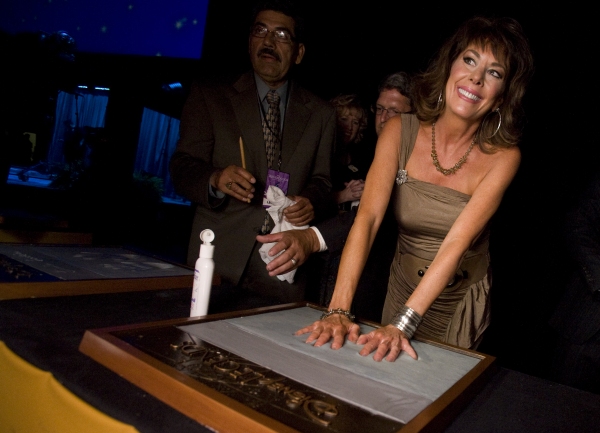
May 10, 1956 – Disney Legend Paige O’Hara is Born

Paige O’Hara at the Disney Legends Awards. Photo credit: broadwayworld.com

“I had been a Disney fanatic from the time I was little. As soon as I heard about [Beauty and the Beast], I called my agent and said, ‘I have to be seen for this…I knew [Belle] was my part. It was just one of those things you know.” – Paige O’Hara

Paige O’Hara, best known as the voice of Belle in the 1991 classic animated film Beauty and the Beast, was born on May 10, 1956, in Ft. Lauderdale, Florida. She made her first professional appearance in the Broadway revival of Showboat as the character Ellie May Chipley. Since then, O’Hara has gone on to star in the title role in The Mystery of Edwin Drood, and Ado Annie in the national tour of Oklahoma.

O’Hara auditioned five times for the part of Belle, and as the film became wildly successful, it thrust O’Hara into the spotlight. She continued to voice the character in two sequels: Beauty and the Beast: The Enchanted Christmas and Belle’s Magical World, as well as voicing the character in the Kingdom Hearts video games. O’Hara was also given a cameo in the 2007 film Enchanted as a character in a soap opera. O’Hara was awarded as a Disney Legend on August 19, 2011. “She was a first, in a lot of ways, for a Disney Princess,” O’Hara has remarked on her character, “and was ahead of her time in the film and for Disney. I think that’s why, almost 20 years later, people still love her.”

May 4

Posted on

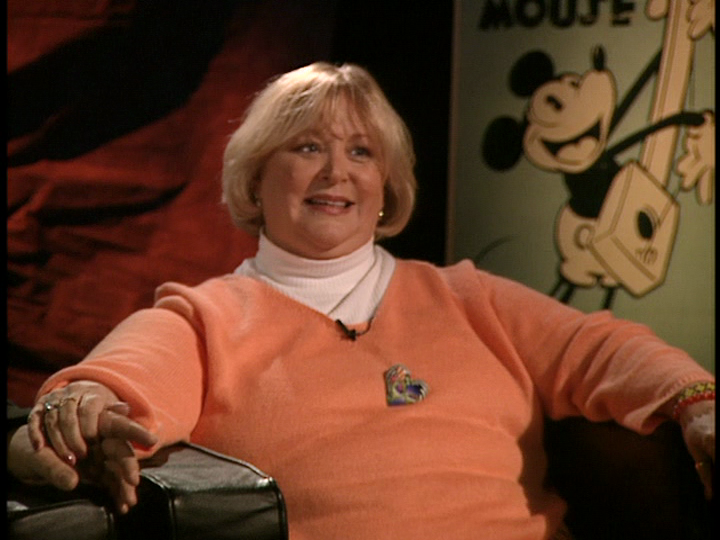
May 4, 1944 – Disney Legend and Current Voice of Minnie Mouse, Russi Taylor, is Born.

“When I was a little girl, I was with my mom and my brother and it was late at night at Disneyland. We had just come off the Mark Twain Riverboat and were getting some popcorn. I looked over and saw Walt sitting on a bench, so we introduced ourselves and shared our popcorn with him. At one point during our chat, he asked me what I wanted to do when I grew up, and I said, ‘I want to work for you!’ So he said, ‘Okay!’ – and now I do!” – Russi Taylor

Russi Taylor was born on May 4, 1944, in Cambridge, Massachusetts, and grew up wanting to work as a movie actress. However, she found the work tedious, and decided to try voice acting, as she had had a good ear for languages and accents ever since she was a child. She auditioned for the role of Minnie Mouse in 1986, and has held the role ever since – longer than any voice actress in the role.

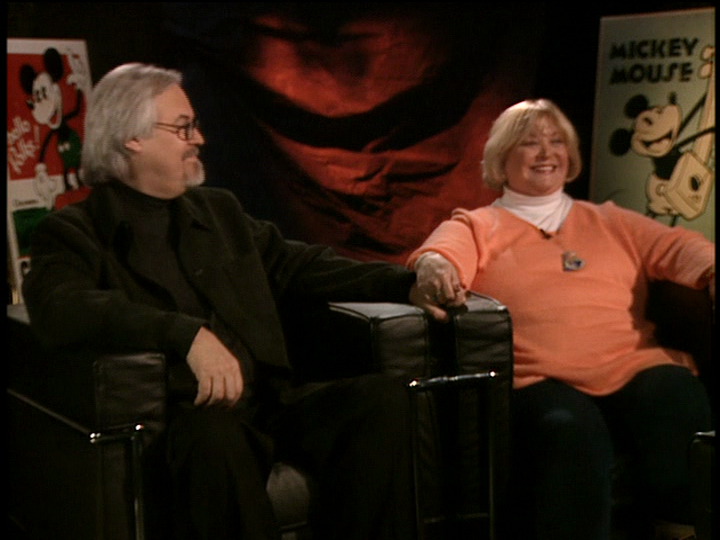
When Taylor was asked in an interview by Leonard Maltin how she got the role of Minnie, Taylor explained that Minnie hadn’t spoken in a long time, and when she was in Mickey’s Christmas Carol, the writers didn’t know that Minnie could speak, which was why she didn’t say anything. In 1986, they decided to give Minnie a comeback, and Taylor auditioned against almost 160 others for the role. She had prepared for the role by listening to Minnie from the cartoons in the ’30s and ’40s, and when asked to improvise as Minnie, Taylor performed the balcony scene from Shakespeare’s Romeo and Juliet.

Taylor (L) with husband, Wayne Allwine, the voice of Mickey Mouse

A prime example of life imitating art, Taylor married Wayne Allwine, the voice for Mickey Mouse, in 1991. They were working on a project for Radio Disney, and one night had dinner together, and soon became inseparable. “It was just a total friendship,” Taylor explained. “The next thing you knew, we were just sort of always together.” She remained married to Allwine until his death in 2009.

Taylor has a broad resume as a voice actress; for Disney, she voiced Huey, Dewey, Louie, and Webby in Ducktales, as well as Drizella and the Fairy Godmother in the Cinderella sequels. Taylor is also the voice of Martin Prince, twins Sherri and Terri, and Üter in The Simpsons, and was the voice of Baby Gonzo in the Muppet Babies series. Taylor was named as a Disney Legend, along with Allwine, in 2008, and continues to voice Minnie in many Disney projects.


April 5

April 5, 1965 – Mary Poppins Wins Five Academy Awards

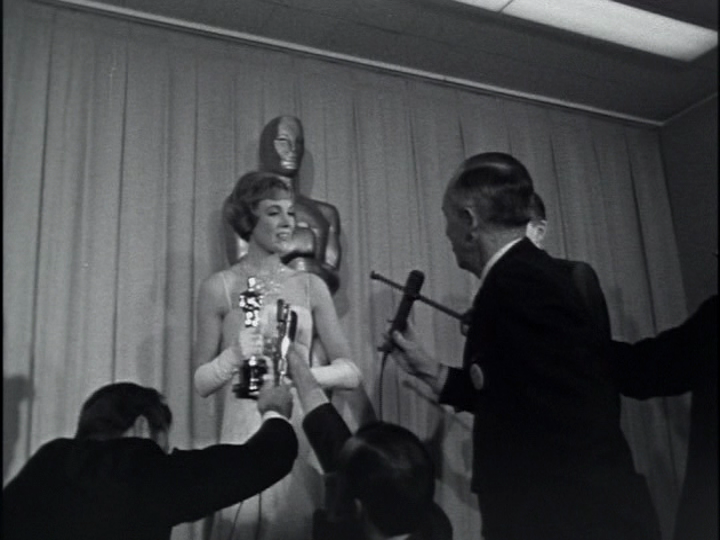
Julie Andrews after winning the Academy Award for Best Actress

“The press had made such a big deal out of it, and although I knew why I didn’t do My Fair Lady…and sure, I was sad about it, but I completely understood why I wasn’t chosen to do it…” – Julie Andrews

The 37th Academy Awards were held in Santa Monica, California on April 5, 1965. Of the 13 nominations it received – the most of that awards year – Disney’s Mary Poppins won five: Best Film Editing, Original Music Score, Best Song for “Chim Chim Cheree,” Best Visual Effects, and Best Actress for Julie Andrews.

Julie Andrews had been passed over for the lead in My Fair Lady at Warner Brothers. Time Magazine, outraged, wrote: “Someone, somewhere, made the decision to include Andrews out of the [film]. There is an evil and rampantly lunatic force at loose in the world and it must be destroyed.” Producer Jack Warner responded with, “No one in the sticks has ever heard from her,” and cast Audrey Hepburn as the lead role. Andrews remarked later that had she done My Fair Lady, she never would have been able to do Mary Poppins.

February 15

February 15 1899 – Birth of Disney Legend and Wife of Walt Disney, Lillian Disney

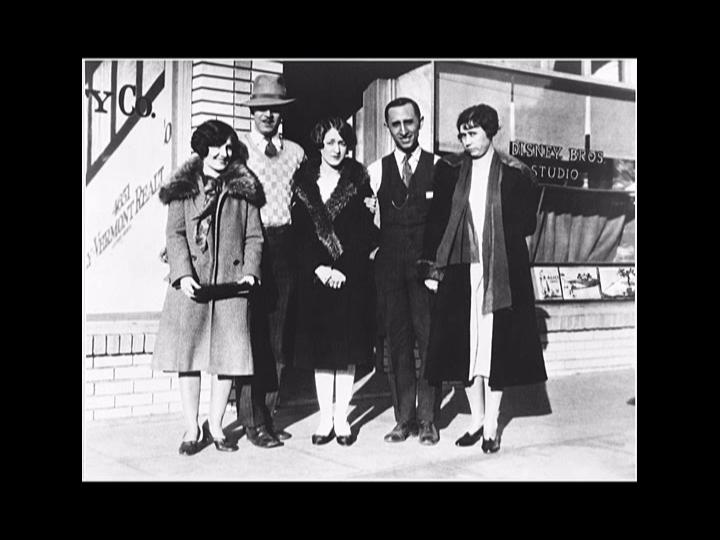
Lillian, far left, stands with Walt, his sister Ruth, Roy, and Roy's wife Edna, in a shot from 1925

“I think my dad fell in love with her almost immediately … she was an independent little lady.” – Diane Disney Miller

Lillian Bounds Disney, wife of Walt Disney, was born in Spalding, Idaho, in 1899 as the tenth and youngest child of the family. In 1923, she traveled to Los Angeles to visit her sister, and a friend of hers recommended her for a job at the Disney Brothers Studio as an ink and paint girl. There was one condition: “Don’t flirt with the boss,” her friend warned her. “He’s all business.” Lillian, however, had no intention of flirting with Walt; this was not a love-at-first-sight romance for either of them, for Walt was too consumed with the business, and Lillian was not impressed with the shabbiness of his clothes. She took the job due to its proximity to her sister’s house and the salary of fifteen dollars a week.

Walt would drive Lillian and another coworker home after long days at the studio. Lillian later said, “When Walt started dropping the other girl off first so he could talk to me, I knew he was interested.” She also admitted that during these rides home, she started to see Walt differently, looking at him “like he was a somebody.” One evening as he dropped her off, he informed her, “I’m going to buy a new suit. When I get it, would it be all right if I called on you?” Lillian said that it would, and when Walt got his new suit in celebration of a check for their films, he arrived at her house and asked her eagerly about the suit. They dated steadily after that, and on July 13, 1925, Walt and Lillian were married. From then on, Lillian worked at the studio only in times of emergency.

One of the major contributions attributed to Lillian involved Walt’s famous creation, Mickey Mouse. While the story of Mickey’s creation has been shrouded in legend and mystery, the one common factor is that Lillian came up with the name for the new character. Walt wanted to name the mouse Mortimer, but Lillian decided that the better name would be Mickey, and he agreed.

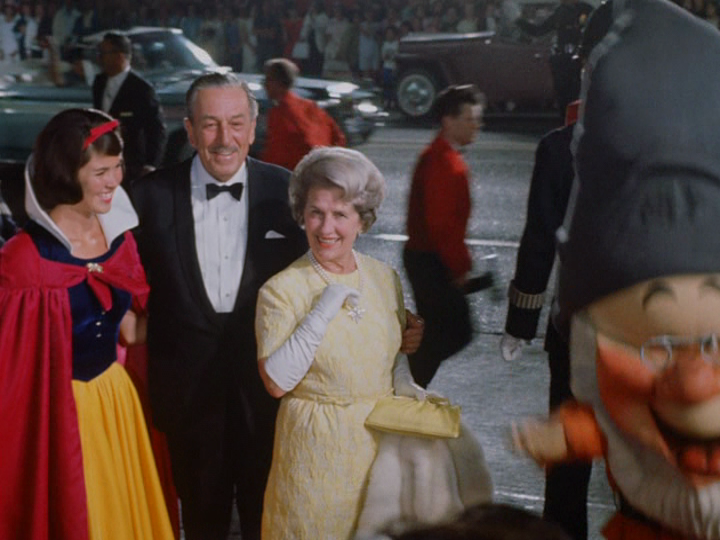
Lillian accompanying Walt to the premiere of Mary Poppins

Lillian was not one to meekly listen to Walt, nor was she one to care about what the press reported about him. Walt once told a reporter that Lillian didn’t care what reporters would say about him. “I keep reporters away from her,” he explained. “She’s given them the lowdown.” Perhaps the success to their long marriage was the fact that Lillian was never overly impressed by Walt and his accomplishments. She did worry when he worked long hours, but overall, she didn’t regard him as a genius, as most people did. Walt, however, would show her affection by either physical actions, such as wrapping an arm around her, or learning how to dance so they could dance together during social functions.

After Walt’s death, Lillian stepped in the public arena to lend support to the Florida Project, which would be renamed Walt Disney World in his honor. She attended the dedication ceremony in 1971, saying, “I think Walt would have approved,” when asked what Walt would have thought of the park. She continued her late husband’s support of education by providing financial gifts to the California Institute of the Arts, particularly to remodel a campus theater in 1993, which was renamed the Walt Disney Modular Theater. In 1987, Lillian announced a $50 million gift to build a symphonic hall for the Los Angeles Philharmonic Orchestra, now known as the Walt Disney Concert Hall. The building was designed by architect Frank Gehry and opened in 2003.

In 1969, Lillian remarried to John L. Truyens, but he unfortunately died in 1981. Lillian herself passed away on December 16, 1997, after suffering a stroke at the age of 98. She was named a Disney Legend in 2003, honoring all of her contributions in support of the company’s growth.

January 1

Welcome to 2012, the first post of the year as well as the first post of the blog! Of the many areas I could have spoken about today, I could not decide between these two. Read and enjoy!

January 1, 1904 – Birth of Disney Legend Grace Bailey

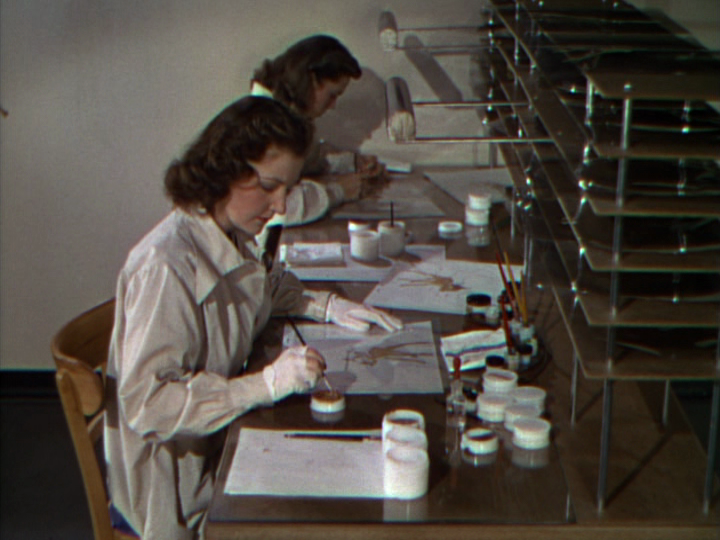
Disney Legend Grace Bailey Turner, born Elizabeth Grace Randall, is known for her work in the Ink and Paint department. She began working at Walt Disney Studios in 1932, rising through the ranks of the department to painting supervisor, then inking supervisor, and finally head of the department in 1954. She held this position until she retired in 1972, after 40 years of work with the company. She died on August 23, 1983, and was inducted posthumously into the Disney Legends on October 12, 2000.

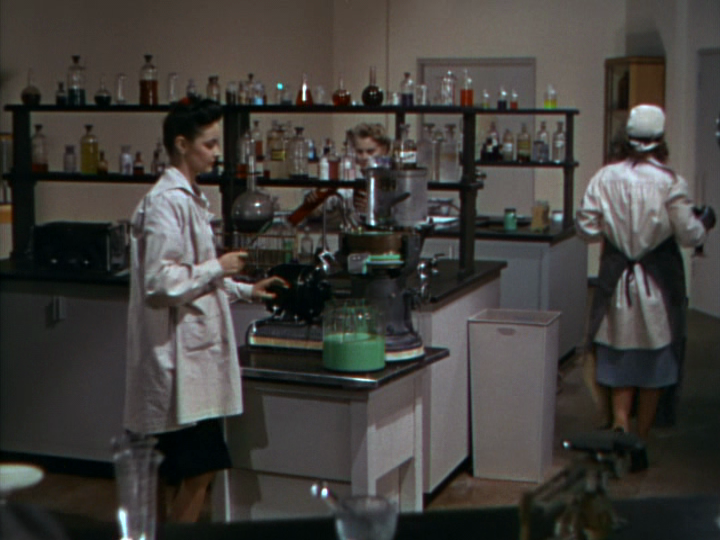
After the success of Flowers and Trees, Disney’s first Technicolor animated short, Bailey was tasked with the important duty of expanding the studio’s catalog of colors. Walt had made a deal with Technicolor to have exclusivity of the three-color process in animation for two years, and one can only imagine the challenges Bailey faced when dreaming up new colors. Betty Kimball, former Studio painter, said in an interview that “[e]verything was so unscientific back then. We were just creating, and it was fun.”

I was rather excited that my first post could be on Grace Bailey, for several reasons. Firstly, many people voiced complain that there are no important women in Disney’s history – my answer is that they’re not looking hard enough. Although the Ink and Paint Department was mostly, if not all, women, this does not mean their work was thought of as any less important. After watching scenes from The Reluctant Dragon, it’s easy to see that there was a lot of work that went into mixing and creating the new hues to bring animation to a higher level. The Ink and Paint department was highly important when it came to an animated film: inking could take about 12 months to learn properly, and one had to be very precise to preserve not only the animator’s original drawing, but also the emotion the animator wished to invoke.  To say that women did not have an important role, or that there were hardly any important women, seems to ignore all of the work these women did. Bailey was an important part of Disney history, and I’m proud to put her in the spotlight today.

January 1, 1943 – Release of Der Fuhrer’s Face to Theaters

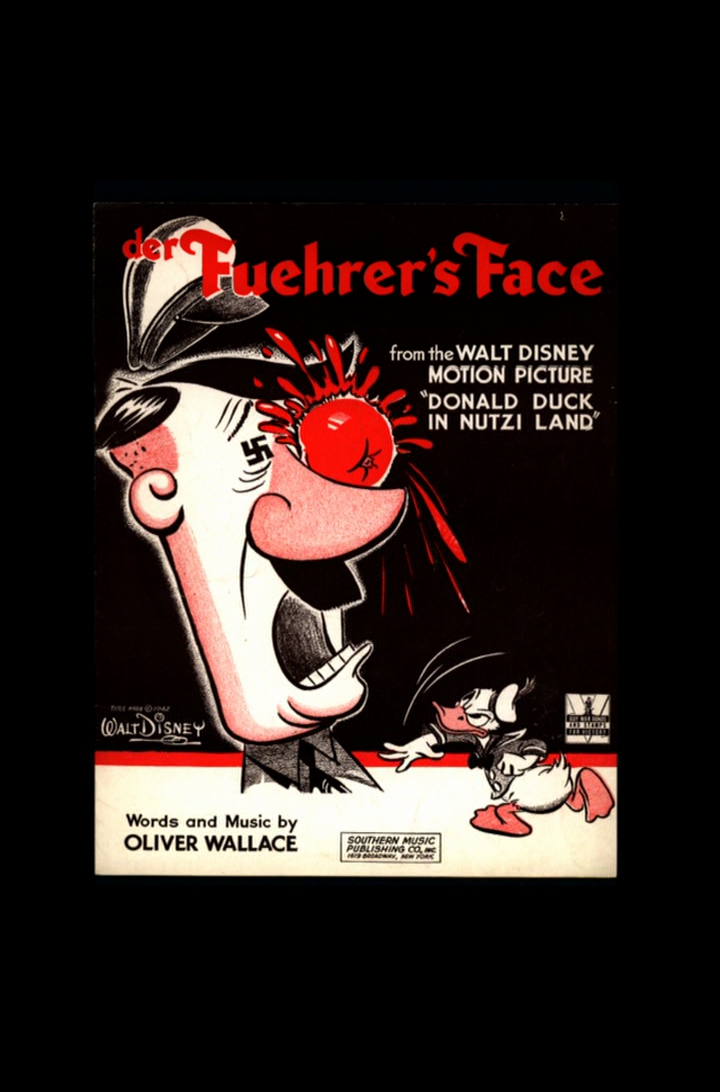
A prime example of homefront propaganda from World War II, Der Fueher’s Face was released to movie theaters on January 1st and was not only immensely popular, but it also won the Academy Award for Best Animated Short Film at the 15th Academy Awards. Directed by Jack Kinney, the short, in which Donald Duck has a nightmare that he resides in a country controlled by the Nazis, was originally called Donald Duck in Nutzi Land. The name was changed, however, when the title song for the short, written by Oliver Wallace, became a runaway hit after a record by Spike Jones was released (although the film preceded the record). According to Disney Legend Joe Grant, the short was inspired by the Charlie Chaplin film, Modern Times, especially the scene with Donald working on the belt line.

In this excerpt from the introduction to the short, film critic Leonard Maltin explains:

“It’s easy to see why the film was so popular. It’s very, very funny, reducing the serious tenets of Hitler’s Nazism to slapstick absurdities. And it gave audiences a chance to think, as Donald does, about the freedoms they might have taken for granted.”

As was common of propaganda films of the time, there are caricatures of Hirohito, Mussolini, and Nazi soldiers. This was a common tactic that is still seen today: the enemy is mocked to reduce the public fear and make the enemy less fear-inspiring. It was a good way to allow panicked Americans at that point a chance to laugh in the face of their fears.

One rumor that persisted about the film is that it was banned from being released to the public after the war. While the short was kept out of general circulation for many years because of its propagandistic content, it was released on the DVD set On the Front Lines in the third wave of Walt Disney Treasures, and was released again on the DVD set The Chronological Donald, Volume Two.

I find the work of the Disney Studios during WWII fascinating, from the propaganda shorts to the training films. All of these films helped Americans through their fear with laughter, and encouraged them to buy war bonds and support the troops through other methods. This short in particular conveys the message that Americans needed to be thankful for the freedoms they had and understand why they were fighting. America had been trying to stay out of the war until Pearl Harbor; these films helped rally the American Spirit.

One thing that also interests me about this short is the use of Donald Duck. Donald was an international star at this point, received well all over the world. Donald’s character works well for this kind of satire. His inability to keep from muttering under his breath as he deals with the insanity of Nutzi Land suits the story and creates a more humorous impact than if the usually cheerful, uncomplaining Mickey Mouse had been the main character. Audiences would have been sad to see our favorite mouse in Hitler’s clutches.

With grumpy, grousing Donald as the main character, Der Fueher’s Face allowed audiences to find humor in the face of fear.