RSS Feed

Monthly Archives: April 2013

April 20

April 20, 1945 – The Goofy Short Film African Diary is Released to Theaters
vlcsnap-2013-04-20-09h01m06s125

“November 23rd. After an uneventful voyage, we sighted Africa.”

On April 20, 1945, the Goofy short film African Diary was released to theaters. Goofy’s theme song, “The World Owes Me a Living,” makes an appearance in this short. It was directed by Jack Kinney, with story by Bill Peed.

The short opens on Goofy’s poorly written diary entry, dated November 23, when he first spots Africa. He lands there the next day at a spot known as the Ivory Coast, portrayed as  a set of piano keys. He gathers members for the safari, and they begin to explore the land, with the narrator still narrating Goofy’s entries. The next entry is February 11, and Goofy is seen with members of the crew, pitching camp near a watering hole. Animals appear at the water, including a zebra, hyena, and a warthog. Goofy also tries to get a drink from the water, but with much difficulty.
Goofy is ready to head out of safari

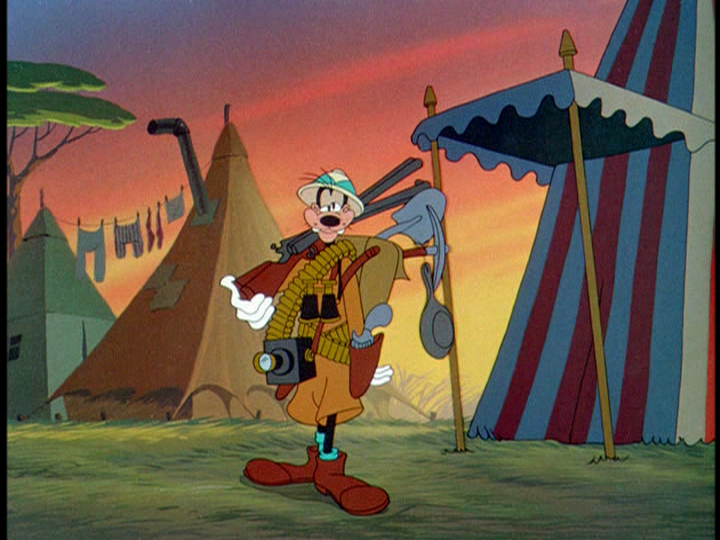
Goofy is ready to head out on safari

The sun rises over the camp, and Goofy heads out for a swim in the water; unfortunately, all of the water is gone, and Goofy swims in sand. After his “swim,” he returns to his tent to change for his adventure. On Friday the 13th, Goofy sets out with one member of the safari to go hunt for game. They run across a black rhinoceros, who becomes enraged at their appearance, and decides to attack. Goofy tries to defend himself with his shotgun, when he realizes he may not even have a permit to shoot a rhino, and frantically searches his paperwork. He finally finds the permit, but it is too late, as the rhino gets the shotgun attached to his nose and starts hitting Goofy over the head with it. Goofy does finally get the gun to go off, but it implodes, leaving the muzzle of the gun stuck to the rhino’s horn. The rhino continues to chase Goofy over Africa, and chases the entire safari out of Africa.
April 19

April 19, 2005 – The Album Disney Bossa Nova is Released Through Walt Disney Records

Bossa Nova

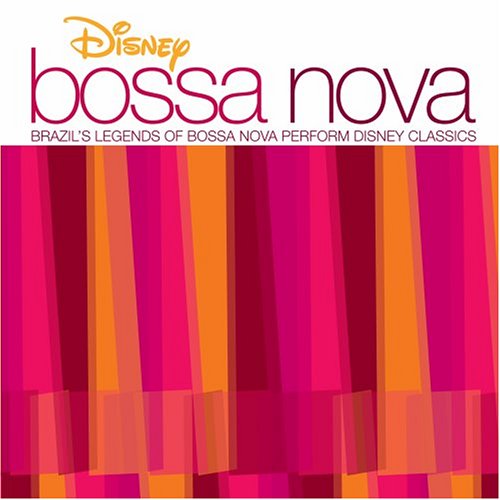
“Brazil’s legends of bossa nova perform Disney classics.”

On April 19, 2005, the compilation album Disney Bossa Nova was released through Walt Disney Records. Bossa nova itself is a fusion of samba and jazz, which peaked in popularity during the 1960s. The album had classic Disney songs performed by notable Brazilian bossa nova artists, including Marcos Valle, Miucha, Joyce, Bena Lobo, Ana Martins, Ivan Lins, Claudette Soares, Edu Lobo, Carlos Lyra, Wanda Sa, and Joao Donato.

April 18

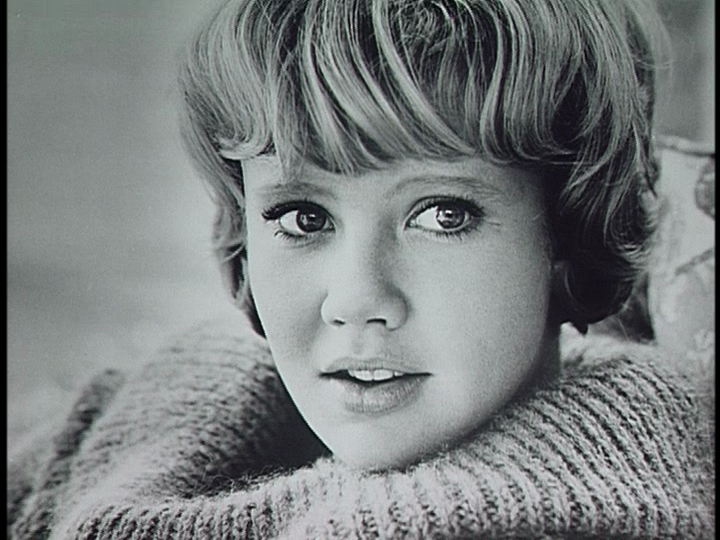
April 18, 1946 – Actress and Disney Legend Hayley Mills is Born

vlcsnap-2013-04-17-21h58m54s254

“Walt was very fond of Hayley Mills, as he should be, because she was a wonderful little  actress, and he wasn’t very impressed with most actors and actresses, but as a young girl he thought she had the charm that he wanted in pictures like Pollyanna .” – Matte Artist Peter Ellenshaw

On April 18, 1946, Hayley Catherine Rose Vivien Mills was born in London, England, to actor Sir John Mills and writer Mary Hayley Bell. At the age of 12, Mills played the lead role in the 1959 British crime drama film Tiger Bay. After seeing her performance, Lillian Disney suggested to her husband Walt that Mills would be perfect for the lead role in the upcoming live-action feature film Pollyanna. The role shot her to super-stardom, and she was awarded a special Academy Award  for Most Outstanding Juvenile Performance; she would be the last person to receive this award. She was then cast in the dual role of twins Susan and Sharon in the 1961 film The Parent Trap, which helped cement Mills’ star status. She had a song in the film written by the Sherman Brothers called “Let’s Get Together,” which became a hit song on the Billboard Charts, peaking at number 8. This song lead to the release of an album on the Buena Vista label, called “Let’s Get Together with Hayley Mills.” which had one other hit song, “Johnny Jingo.” She acted in four more films for Disney: In Search of the Castaways, Summer Magic, The Moon-Spinners, and That Darn Cat!.

 After her contract with Disney, she starred in the 1966 film The Trouble with Angels, then returned to England, hoping to break out of her girl-next-door image. She played a mentally challenged teenager in the film Sky West and Crooked, written by her mother and directed by her father. She then starred in the films The Family Way, Pretty Polly, Endless Night, and The Kingfisher Caper, after which she left the film business for a few years. She returned to UK series acting in 1981 in the television miniseries The Flame Trees of Thika, and made some other appearances in television work, including appearances in The Love Boat. In 1987, she starred in the Disney Channel series, Good Morning, Miss Bliss as the title character. The show was cancelled after thirteen episodes, and the rights were purchased by NBC, with the show being retooled as Saved by the Bell. Mills also reprised her roles as Sharon and Susan for three made-for-television sequels to The Parent Trap: The Parent Trap II, The Parent Trap III, and The Parent Trap IV: Hawaiian Honeymoon. In 1998, Mills was honored as a Disney Legend.

April 17

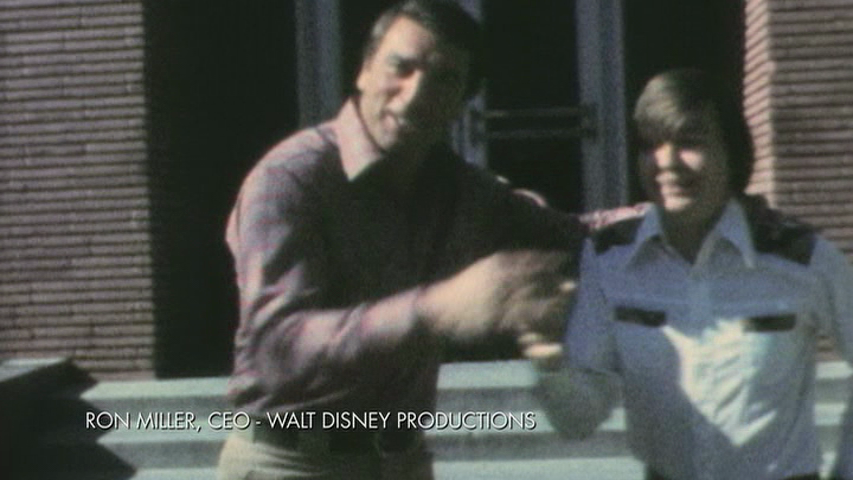
April 17, 1933 – Former President and CEO of The Walt Disney Company Ron W. Miller is Born

vlcsnap-2013-04-17-04h38m29s202

“I’m really very proud of having been a professional athlete. I think it teaches you to be competitive, to accept challenges, and to see things through.”

On April 17, 1933, Ronald William Miller was born in California. He attended the University of Southern California, lettering in football. It was there where he met Diane Disney, daughter of Walt, on a blind date. The two married in a small church ceremony on May 9, 1954. Soon ­after the wedding, Miller was drafted into the Army, but on his return, he played with the Los Angeles Rams as a tight end. During one game, when Walt was watching from the stands, Miller was hit hard enough to be knocked unconscious. Worried about the danger of the sport and his grandchildren, Disney offered Miller a job, which Miller accepted. He joined the company in 1957, with his first assignment as a second assistant on the 1957 film Old Yeller. He would soon move to the role of associate producer for Bon Voyage, Summer Magic, Moon Pilot, and A Tiger Walks. After this, he moved up to the role of co-producer on such films as The Monkey’s Uncle, That Darn Cat!, and Monkeys, Go Home! Miller had his first full producer credit on the 1968 film Never a Dull Moment, and served as an executive producer for 12 years. In 1980, Miller was elected president of the Walt Disney Company, and was also named CEO in 1983. During his term, the Touchstone label was created, with its first film being the hit Splash; Miller was also responsible for creating The Disney Channel and initiating the studio’s first attempts at computer animation, thanks to the film Tron. Unfortunately, Miller’s tenure was rife with corporate takeover attempts, and in 1984, Miller was ousted in favor of Michael Eisner and Frank Wells. He now spends his days at the Silverado Vineyards Winery, building its reputation.

April 16

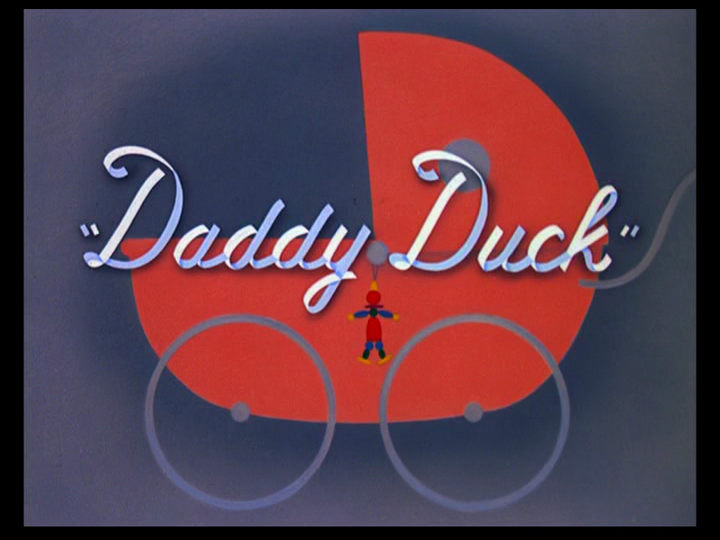
April 16, 1948 – The Donald Duck Short Film Daddy Duck is Released to Theaters

vlcsnap-2013-04-15-21h35m37s223

“You big, bad, nasty bear! Scaring my little baby! I gotcha!”

On April 16, 1948, the Donald Duck short film Daddy Duck was released to theaters. It was directed by Jack Hannah, with story by Jack Cosgiff and Bob McCormick.

Donald is at an adoption agency, ready to adopt a baby. He signs the paperwork, and is given a baby kangaroo named Joey, who takes to Donald immediately. The two hop home, and right off the bat, Donald has a hard time controlling Joey. Donald immediately tries to show that he’s the boss, and the adoption agency keeps calling to remind Donald what he should be doing, like giving Joey a bath. Donald tries to give Joey a bath, but Joey refuses, until he spies the pouch in Donald’s apron. He quickly tucks himself into the pouch, as Donald tries to coerce him into taking a bath. At the end of it all, Donald’s the one that ends up in the tub.

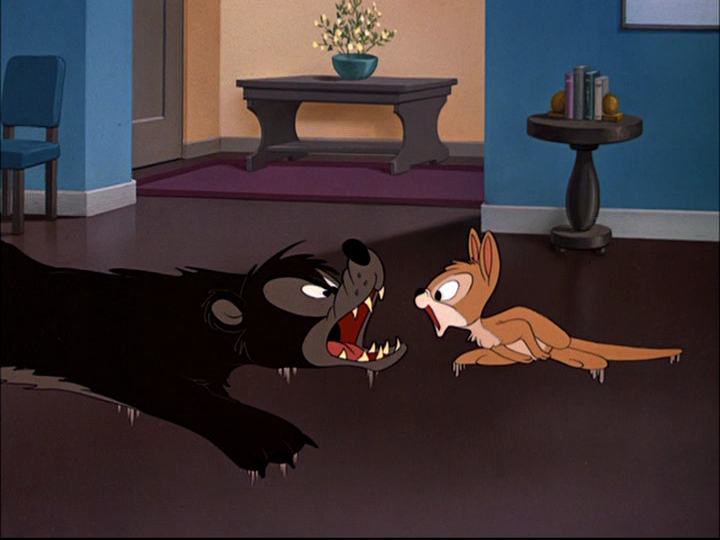
Joey is terrified after coming across Donald's bearskin rug

Joey is terrified after coming across Donald’s bearskin rug

The phone rings again, and Donald is given his next assignment. Joey, however, is having more fun with the waxed floor, when he runs across a bearskin rug. Terrified, he dives back into the apron pouch, and Donald tries to reassure him that the bear rug is no threat by pretending to beat it up. Donald then pretends to be eaten by the bear, and desperate to save his new father, Joey hops into action, grabbing a poker from the fireplace and poking the bear, then chasing after him with a baseball bat. Joey uses a chair to knock Donald out of the bear rug, sending the duck flying into Joey’s rocker. Joey then hugs Donald affectionately, glad that his dad is safe.

April 15

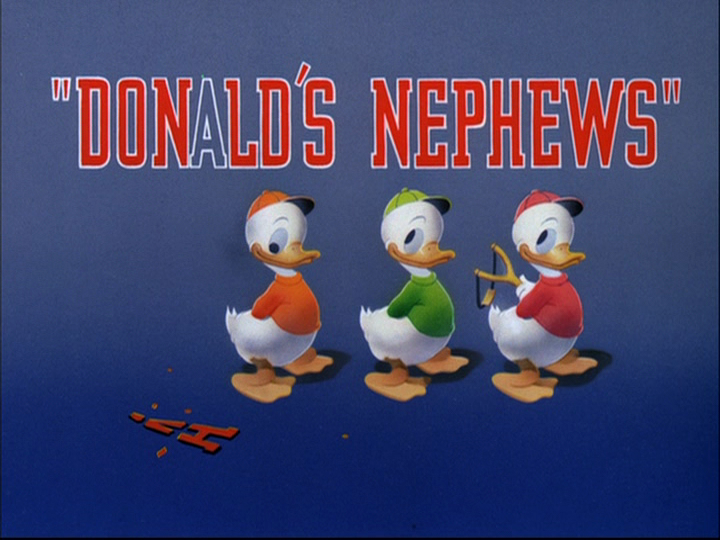
April 15, 1938 – The Donald Duck Short Film Donald’s Nephews is Released to Theaters

vlcsnap-2013-04-14-21h04m29s7

“Dear Brother, I am sending your angel nephews to visit you.”

On April 15, 1938, the Donald Duck short film Donald’s Nephews was released to theaters. This short marks the first on screen performance of Huey, Dewey, and Louie, sent to Donald by his sister Dumbella. The trio were created by Ted Osborne and Al Taliaferro, with their first appearance in a newspaper comic strip on October 17, 1937. The short was directed by Jack King.

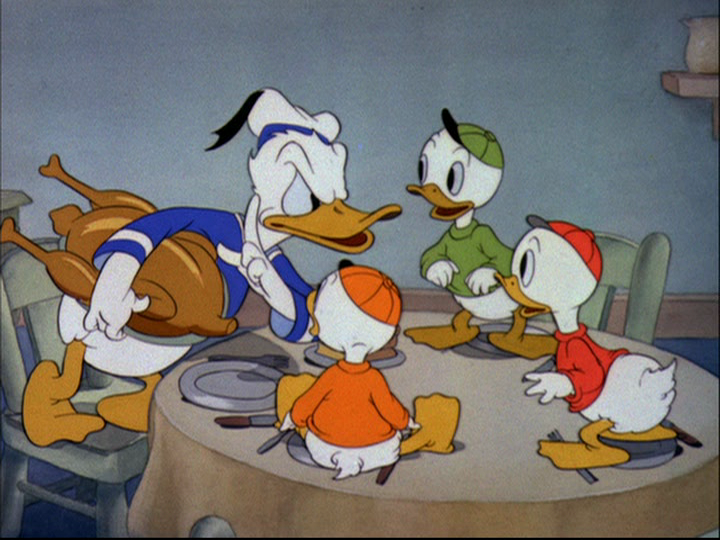
Donald reads the message from his sister that his nephews are visiting, with his sister “misinforming” him that they are three angels. The moment they arrive, however, they cause nothing but trouble, from sending Donald flying into a wall and riding their tricycles all over the house in a game of tricycle polo. Through their efforts of destroying the house, Donald comes across a book called Modern Child Training, and decides to use the lessons inside to tame his nephews. The first exercise is that music will tame them, and he goes over to his piano to play. The nephews pick up some other instruments and begin to play “Pop Goes the Weasel” along with Donald, but the joy is short lived, as they use the instruments to harass Donald further.

Donald attempts to regain control over his nephews at mealtime

Donald attempts to regain control over his nephews at mealtime

The book advises Donald to never lose his temper, much to their confusion. When Donald goes back to the piano, they continue to play their pranks on their uncle. He reads another lesson in the book that if the kids are quarreling, they must be hungry, and has them sit down for a meal. As he tries to say grace, the three nephews try to steal the food, with Donald getting more and more agitated. The book tells him that “if all else fails, arouse their sympathy.” Donald decides to do just that, and the nephews are alarmed to see their uncle cry. They apologize, and promise to be good boys, although they play another prank on him, replacing the filling of a pie with hot mustard. Donald cries out for water after eating the mustard pie, and the trio delights in soaking him in water and using the fire extinguisher before leaving his house. Dazed, Donald looks down at the book, with the page reading, “After all, little children are only angels without wings.” Donald throws a tantrum and rips the book into pieces.

April 14

April 14, 1969 – Winnie the Pooh and the Blustery Day Wins The Academy Award for Best Short Film

winnie-the-pooh-disneyscreencaps.com-2949

“Happy ‘Winds-Day,’ Piglet.”

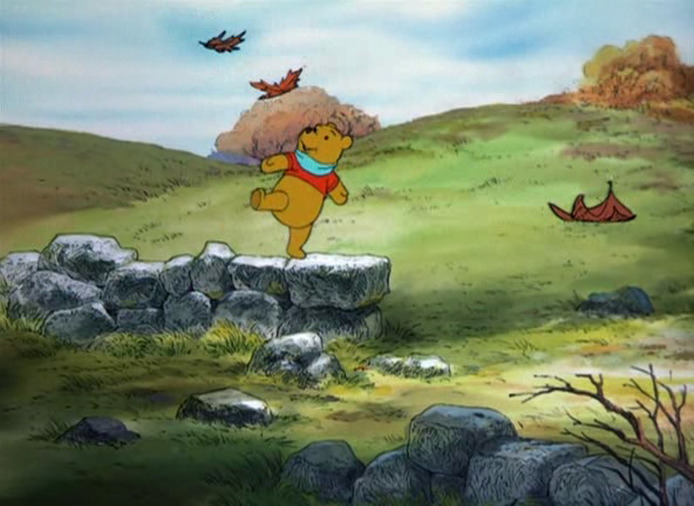
On April 14, 1969, the 41st Academy Awards were held in the Dorothy Chandler Pavilion in Los Angeles, California. The Disney short film Winnie the Pooh and the Blustery Day won the Academy Award for Best Short Film, beating The House That Jack Built by the National Film Board of Canada, The Magic Pear Tree by Murakami-Wolf Films, and Windy Day by Hubley Studios. The award was given posthumously to Walt Disney, who had passed away two years before the short’s release in 1968. It is also the only Winnie the Pooh short to win an award, although Winnie the Pooh and Tigger Too would be nominated in 1974. In 1977, these two short films and Winnie the Pooh and the Honey Tree were combined into the full-length feature film The Many Adventures of Winnie the Pooh.

April 13

April 13, 1954 – Animator Glen Keane is Born

vlcsnap-2013-04-13-09h37m27s2

“I am convinced that animation really is the ultimate form of our time with endless new territories to explore. I can’t resist its siren call to step out and discover them.”

On April 13, 1954, Glen Keane was born in Philadelphia, Pennsylvania to cartoonist Bil Keane (known for Family Circus) and Thelma Carne Keane. The family would soon move to Paradise Valley, Arizona. Inspired by his father’s work, Keane developed an interest in drawing from an early age. Keane applied, and was accepted, to the Califormia Institute of the Arts, where he worked under animation teacher Jules Engel in the Program in Experimental Animation. Keane joined Disney in 1974; his first assignment, alongside Ollie Johnson, was animating the characters Bernard and Penny for the 1977 animated feature The Rescuers. After this film, Keane animated Elliot in Pete’s Dragon, and the climactic showdown in The Fox and the Hound. In 1982, Keane and friend John Lasseter were inspired by the new film Tron, and the two collaborated on a 30-second test sequence based on Maurice Sendak’s Where the Wild Things Are. Although the sequence was not well received at the time, it has since been considered revolutionary for the time, thanks to its experimentation of digital and hand-drawn animated characters.

In 1983, Keane left Disney to become a freelance artist, working on the character of Ratigan in The Great Mouse Detective, and on sections of the animated film The Chipmunk Adventure. He rejoined Disney to work on the characters of Fagin, Sykes, and Georgette in Oliver & Company, and was soon named Lead Character Animator. For the 1989 film The Little Mermaid, Keane designed and animated the lead character Ariel. From the moment he heard Jodi Benson (voice of Ariel) sing “Part of Your World,” Keane knew he had to animate Ariel. “I got the video of the recording and watched Jodi sing, and it was…just seeing it in her eyes, she believed it just like I believed it in listening to it,” he said. “There was this connection, it was just, ‘I’ve got to make that character as real as it is in my head.’” Keane would work as a supervising animator for Aladdin, Beauty and the Beast, and Pocahontas, and returned to his role as lead animator for Long John Silver in Treasure Planet. In 2003, Keane was named as the director of the 50th animated feature film Tangled. However, due to personal health issues, he stepped down from the role of director, but remained on the film as executive producer and animating director. After 37 years at Disney, Keane retired from the Disney Animation Studios.

April 12

April 12, 1946 – The Pluto Short Film Pluto’s Kid Brother is Released to Theaters

vlcsnap-2013-04-11-20h20m46s19

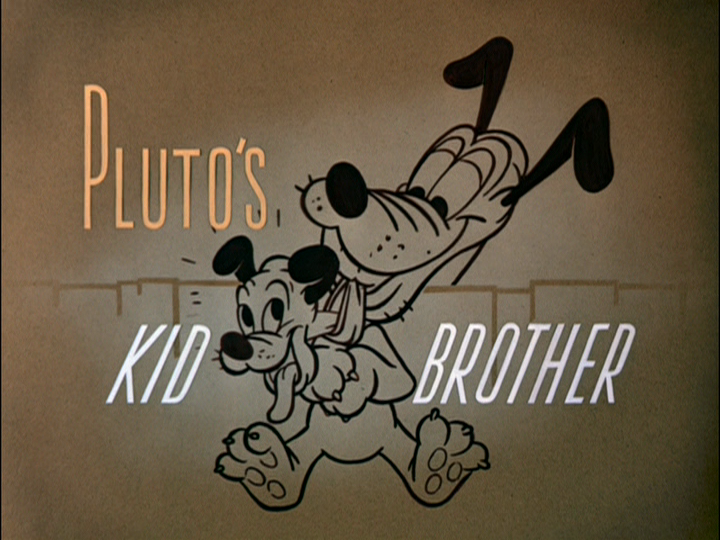
On April 12, 1946, the Pluto short film Pluto’s Kid Brother was released to theaters. This short is one of the few that contains Pluto’s nemesis, Butch the Bulldog. It was directed by Charles Nichols, with story by Harry Reeves and Jesse Marsh.

Pluto is snoozing in his doghouse, when he hears his kid brother, K.B., whimpering. K.B. has gotten into the hen house, and the rooster chases him away, and as K.B. runs past Pluto, the rooster crashes into the alarmed dog. Pluto then scares away the rooster, and K.B. finds himself in trouble with his brother, who ties him up again. K.B., unafraid and adventurous, frees himself from the rope and goes outside the fenced in yard to explore. As he sniffs a trashcan, he comes across an alley cat, who doesn’t take too kindly to the pup. The cat then crashes into Pluto, and the two duke it out, with the cat using his claws and static electricity to attack Pluto. The cat then walks away, but cries out in fear when he comes across Pluto’s nemesis, Butch the Bulldog.

Pluto runs to defend K.B. from the persuasion of Butch

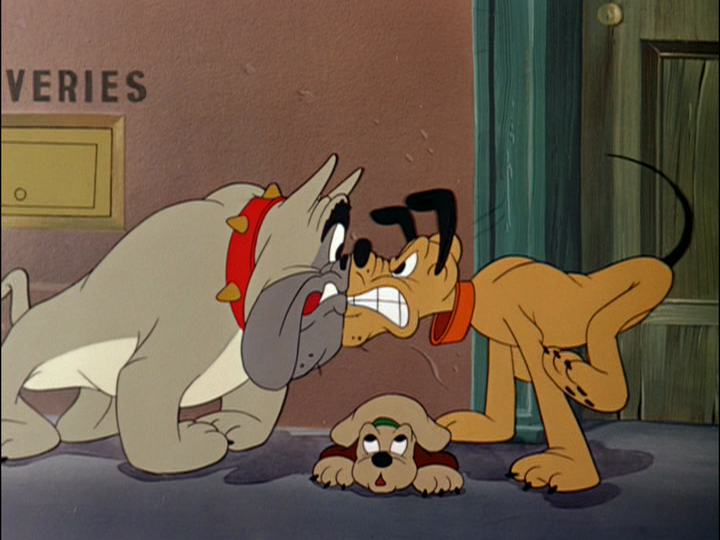
Pluto runs to defend K.B. from the persuasion of Butch

Impressed by Butch’s demeanor, K.B. decides to follow and emulate the bulldog. Butch stops by a butchershop, ready to steal some meat, when he realizes he’s been followed by the pup. Seeing as K.B. is just the right size to steal the meat from the deliveries slot, Butch takes the pup under his wing. K.B. readily agrees to the task, and starts removing some sausages. However, once K.B. has delivered the sausages, Butch snarls at the pup, taking away every link. Pluto, meanwhile, has been looking for K.B., and when he spots the pup with Butch, he goes on the defensive. Pluto and Butch begin to fight, and Pluto is thrown against the burglar alarm, which goes off. The dogcatcher chases the three dogs, and K.B. is caught on the front bumper until Pluto saves him. The dogcatcher then scoops up Butch and takes him to the pound. Pluto then lectures K.B. again, and the two head back to their doghouses, although both are tempted to eat the sausages that Butch stole.

April 11

April 11, 2006 – Winnie the Pooh Receives a Star on the Hollywood Walk of Fame

poohcutexq5

“For eighty years Winnie the Pooh has been making wishes come true by taking young people from every country around the world and culture to his magical world of entertainment and imagination.” – Walt Disney Company President and CEO Bob Iger.

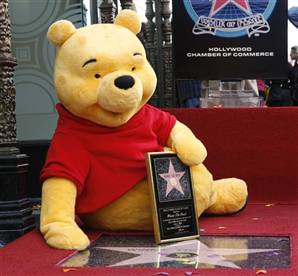
On April 11, 2006, Winnie the Pooh received the honor of a star on the Hollywood Walk of Fame. This celebration tied in to the 80th anniversary of the publication of the first Winnie the Pooh story in the London Evening News. Winnie the Pooh was joined in his celebration by Tigger, Rabbit, and Eeyore, along with Disney President and CEO Bob Iger, who gave a speech at the event. Winnie the Pooh is among a handful of animated characters selected for this honor, with others including Mickey Mouse, Donald Duck, and Snow White.